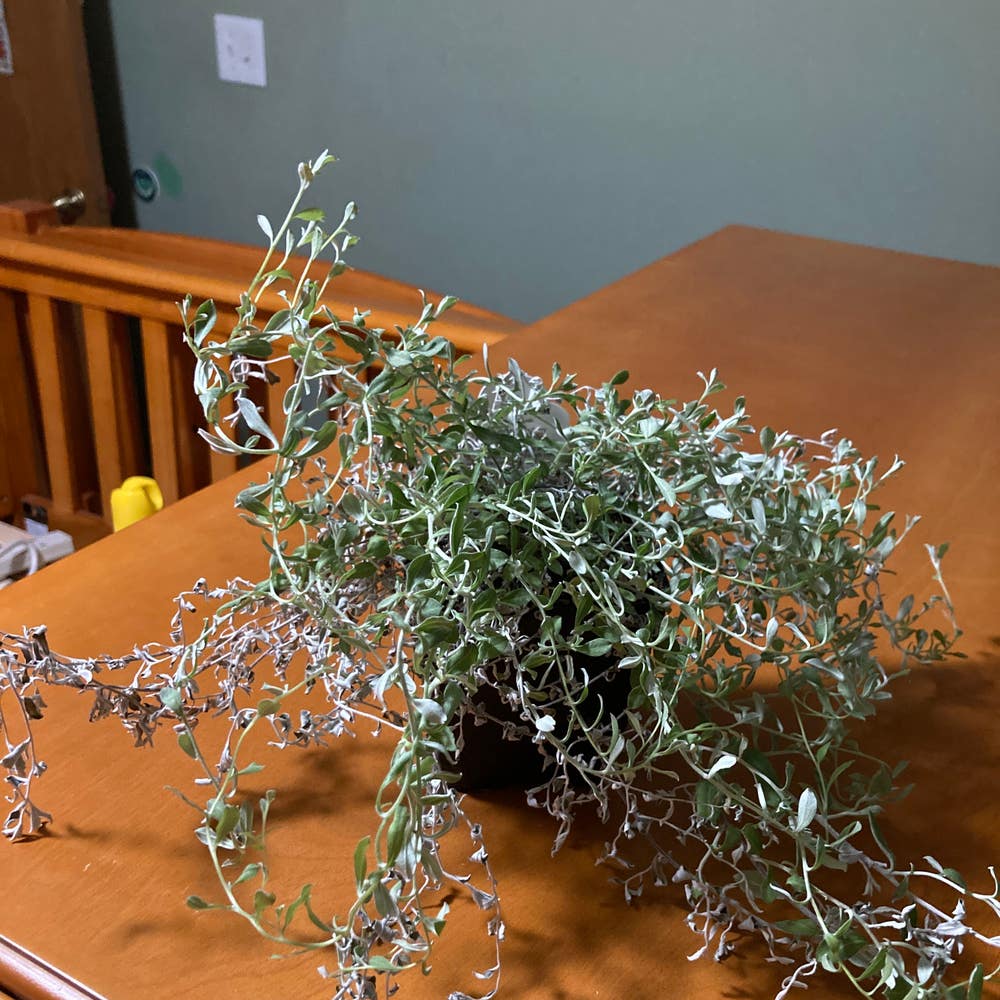
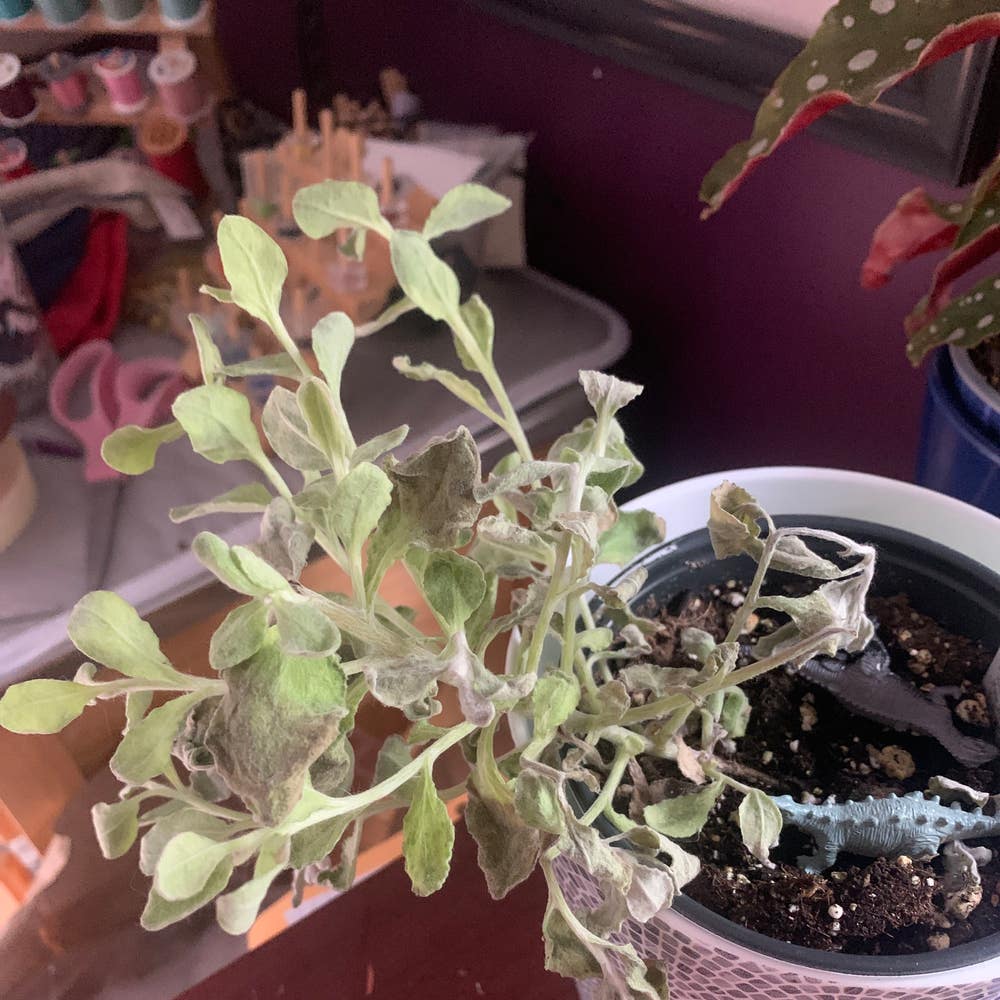
🌼 What to Do About Droopy Leaves on Your Everlasting Daisy
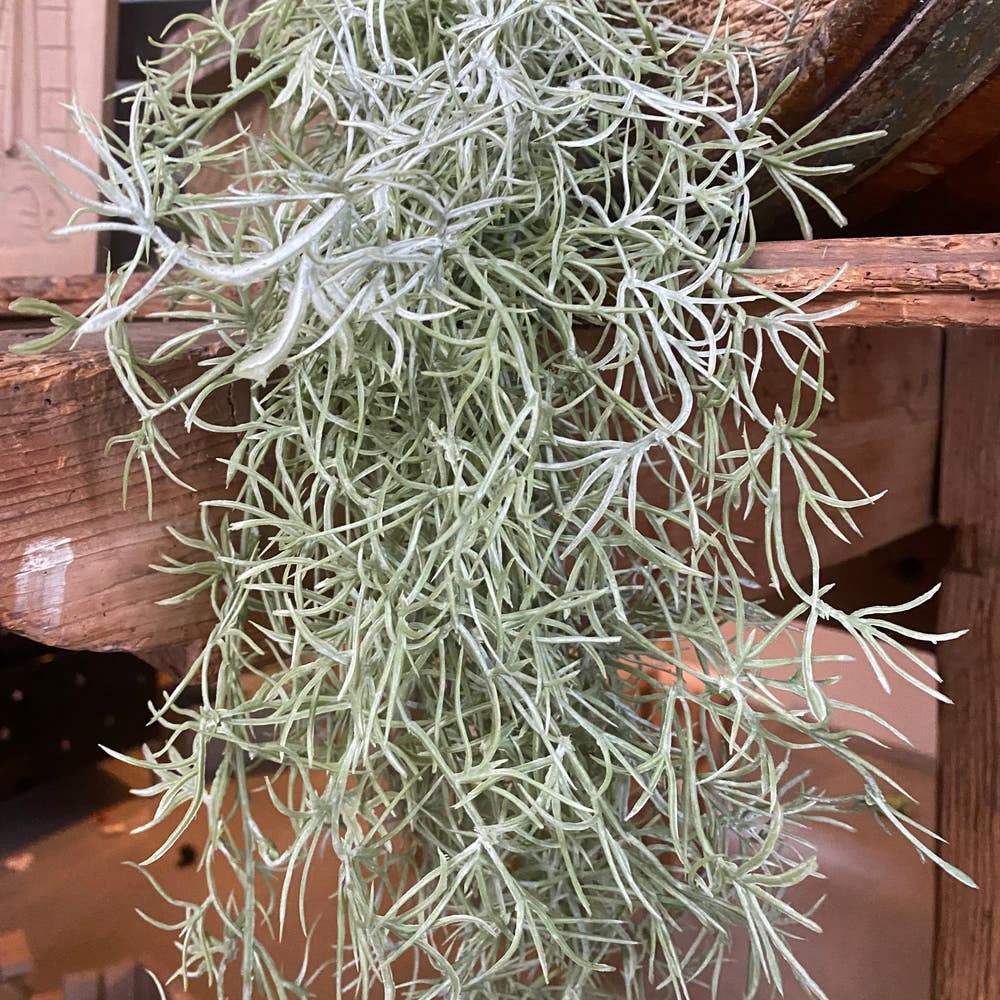
Helichrysum retortoides
By the Greg Editorial Team
Oct 25, 2024•5 min read
This article was created with the help of AI so we can cover more plants for you. May contain errors. See one? Report it here.
Unlock vibrant blooms 🌼 by mastering the perfect watering routine for your Everlasting Daisy!
- 💧 Droopy leaves result from improper watering; balance between overwatering and underwatering.
- 🌞 Everlasting Daisies need 6-8 hours of sunlight daily for optimal growth.
- 🌱 Nutrient deficiencies and pests can cause droopiness; monitor and treat promptly.
Watering Practices
🌊 Importance of Proper Watering
Soil moisture is crucial for the health of your Everlasting Daisy. When the soil is too dry or too wet, it can lead to droopy leaves and overall poor plant health.
Understanding the water needs of your plant is essential. Everlasting Daisies thrive when their roots have consistent access to moisture without becoming waterlogged.
🚿 Signs of Overwatering vs. Underwatering
Recognizing the signs of overwatering is key to maintaining healthy plants. Look for yellowing leaves and mushy stems, which indicate that your plant is drowning.
On the flip side, underwatering manifests as crispy, brown leaf edges and wilting. Both extremes can stress your Everlasting Daisy, so keep a close eye on its condition.
📅 Recommended Watering Schedule
A good rule of thumb is to water your Everlasting Daisy every 1-2 weeks. Adjust this frequency based on weather conditions; hotter days may require more frequent watering.
The best time to water is early morning. This timing helps reduce evaporation and ensures your plant gets the moisture it needs to thrive throughout the day.
By mastering these watering practices, you can significantly improve the health and appearance of your Everlasting Daisy. Next, let’s explore soil and nutrient management to further enhance your plant care routine.
Soil and Nutrient Management
🌱 Ideal Soil Conditions
For your Everlasting Daisy to thrive, it’s crucial to provide the right soil conditions. Aim for well-draining sandy or loamy soil to prevent waterlogging, which can lead to root rot.
The pH level should be slightly acidic to neutral, ideally between 6.0 and 7.0. This range ensures that your plant can absorb essential nutrients effectively.
🥴 Nutrient Deficiencies That Lead to Droopy Leaves
Nutrient deficiencies can significantly impact the health of your Everlasting Daisy. Common culprits include nitrogen, potassium, and magnesium.
When these nutrients are lacking, you might notice symptoms like stunted growth and discoloration. Keeping an eye on these signs can help you address issues before they escalate.
🌼 Fertilization Tips
To keep your Everlasting Daisy flourishing, consider using a balanced NPK fertilizer. This type of fertilizer provides essential nutrients in the right proportions.
Apply it every 4-6 weeks during the growing season for optimal results. Regular fertilization can make a noticeable difference in your plant's vitality.
In summary, maintaining ideal soil conditions and addressing nutrient deficiencies are key to preventing droopy leaves. Next, let’s explore the light and temperature requirements that further support your Everlasting Daisy's health.
Light and Temperature Requirements
Optimal Sunlight Exposure 🌞
Everlasting daisies thrive in full sun, requiring 6 to 8 hours of direct sunlight daily. Insufficient light can lead to weak, droopy leaves, robbing your plants of their vibrant potential.
Effects of Temperature Fluctuations 🌡️
These flowers prefer a cozy temperature range of 20°C to 30°C (68°F to 86°F). Extreme temperatures can stress the plants, resulting in droopy leaves that signal distress.
Keeping Your Plants Happy 😊
To keep your everlasting daisies flourishing, ensure they bask in ample sunlight and stay within their ideal temperature zone. Regularly check their environment to prevent any temperature-related issues.
Transitioning to Soil and Nutrient Management
With light and temperature in check, let’s explore how soil and nutrients play a crucial role in maintaining the health of your everlasting daisies.
Pest and Disease Management
Common Pests Affecting Everlasting Daisy 🐞
Aphids are a common nuisance for Everlasting Daisies. Look for clusters of small, green or black insects on the undersides of leaves, often accompanied by sticky residue or distorted growth.
Spider mites are another threat, identifiable by fine webbing on the plant. They can cause leaves to appear speckled or discolored, leading to droopiness if not addressed.
Identifying Fungal Infections 🦠
Fungal infections can wreak havoc on your plants. Powdery mildew appears as a white, powdery coating on leaves, while root rot often manifests as wilting and a foul smell from the soil.
Both conditions can lead to significant droopiness and discoloration. Early detection is crucial for effective treatment.
Treatment Options for Pests and Diseases 💊
For pest control, consider organic methods like introducing beneficial insects or using insecticidal soap and neem oil. These options are effective and safer for the environment.
Acting quickly is essential. Early intervention can prevent severe damage and keep your Everlasting Daisies thriving.
By staying vigilant and proactive, you can maintain the health of your plants and enjoy their vibrant beauty. Next, let’s explore preventive measures to keep your Everlasting Daisies in top shape.
Preventive Measures
🌱 Best Practices for Maintaining Healthy Plants
Regular watering is crucial for your Everlasting Daisy. Keep an eye on soil moisture to ensure your plants thrive.
Proper drainage is equally important. This helps prevent root rot, which can lead to droopy leaves and overall plant decline.
🌦️ Seasonal Care Tips
As seasons change, so should your watering frequency. Adjust your schedule to match the weather conditions and your plant's needs.
Fertilization also requires attention throughout the year. Tailor your fertilization approach based on the growth cycles of your Everlasting Daisy for optimal health.
🔍 Monitoring Plant Health Regularly
Routine inspections are key to catching issues early. Regularly check your plants for signs of stress or disease.
Consider keeping a care journal. Tracking your watering and fertilization schedules can help you identify patterns and make necessary adjustments.
These preventive measures will keep your Everlasting Daisy vibrant and healthy, paving the way for a flourishing garden. Next, let’s explore how light and temperature requirements play a role in maintaining your plant's vitality.
⚠️ Safety First
This content is for general information and may contain errors, omissions, or outdated details. It is not medical, veterinary advice, or an endorsement of therapeutic claims.
Always consult a qualified healthcare professional before using any plant as food, medicine, or supplement.
Never eat any plant (or feed one to pets) without confirming its identity with at least two trusted sources.
If you suspect poisoning, call Poison Control (800) 222-1222, the Pet Poison Helpline (800) 213-6680, or your local emergency service immediately.
Spotted an error? Please report it here.
Keep your Everlasting Daisy vibrant and droop-free 🌼 by using Greg to track watering schedules and nutrient needs, ensuring your plant gets the care it craves!