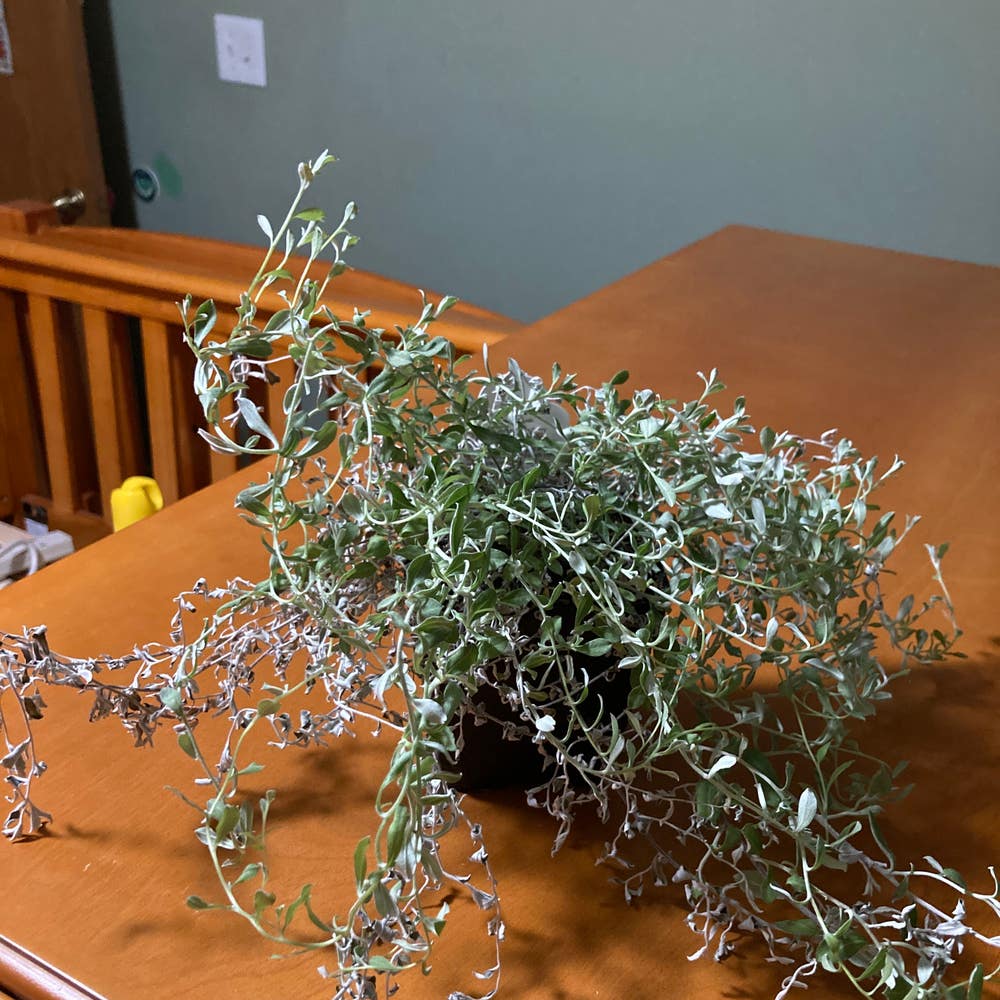
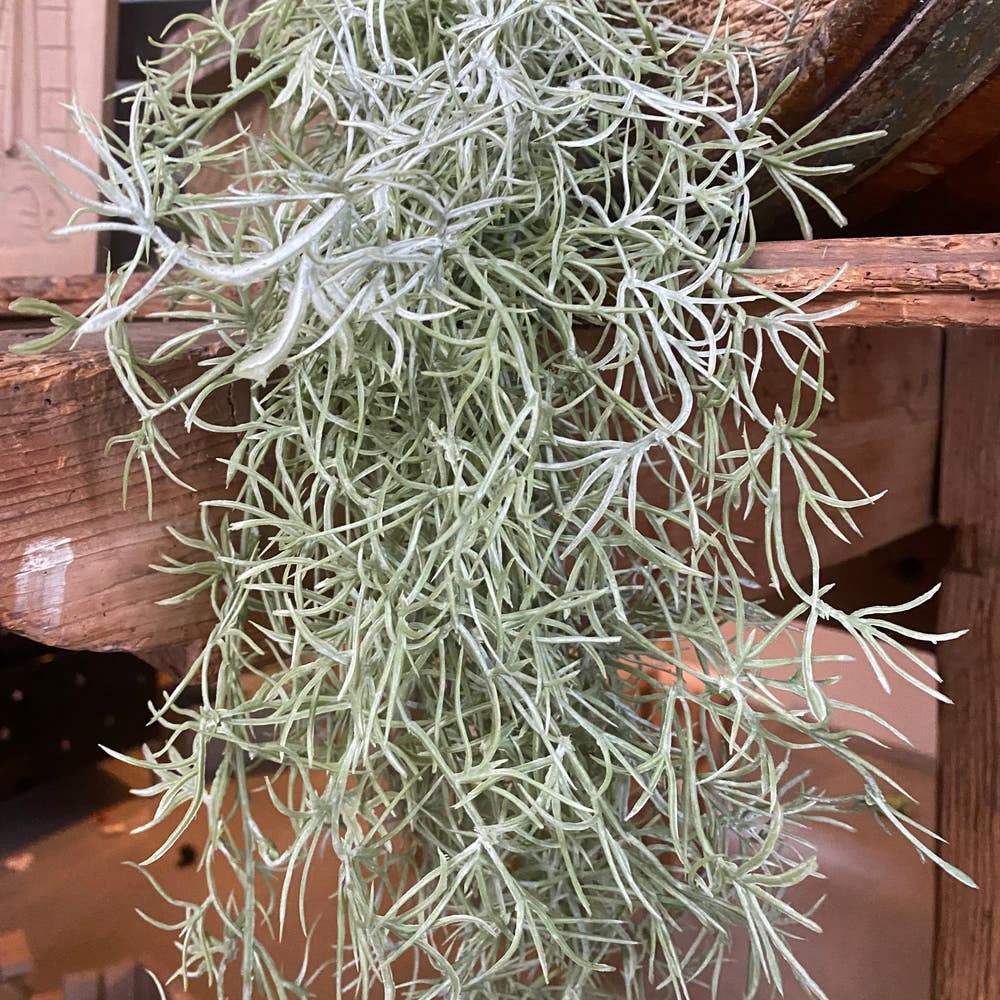
🌼 Humidity Needs for Your Everlasting Daisy
Helichrysum retortoides
By the Greg Editorial Team
Oct 25, 2024•3 min read
This article was created with the help of AI so we can cover more plants for you. May contain errors. See one? Report it here.
Unlock vibrant blooms for your Everlasting Daisy by mastering ideal humidity levels! 🌼
- 🌼 Everlasting Daisies thrive at 40%-60% humidity for vibrant blooms and health.
- 📏 Use a hygrometer to monitor humidity levels and prevent plant stress.
- 🌧️ Adjust care based on local humidity to ensure optimal growth and flowering.
Ideal Humidity Levels for Everlasting Daisy
Optimal Range 🌼
For your Everlasting Daisy to thrive, aim for a relative humidity level between 40% and 60%. This range is crucial; it helps prevent stress and encourages those vibrant blooms we all love.
Maintaining this humidity level not only supports healthy growth but also enhances the overall vitality of your plants. A little attention to humidity can make a big difference in your gardening success.
Monitoring Humidity 📊
To keep tabs on humidity, invest in a hygrometer. This handy tool provides accurate measurements of indoor humidity levels, ensuring you stay within the ideal range.
Regular checks are essential. By monitoring humidity consistently, you can quickly address any fluctuations that may affect your Everlasting Daisy's health.
Understanding Humidity
🌧️ Absolute vs. Relative Humidity
Absolute Humidity
Absolute humidity refers to the total amount of water vapor in the air, measured in grams per cubic meter. This measurement gives a clear picture of how much moisture is present, but it doesn't tell the whole story for plant care.
Relative Humidity
Relative humidity, on the other hand, is the percentage of moisture in the air compared to the maximum amount the air can hold at a specific temperature. This metric is crucial for plant health, as it directly influences transpiration rates, which are vital for nutrient uptake and overall vitality.
Understanding these two types of humidity helps you create the ideal environment for your Everlasting Daisy. By focusing on relative humidity, you can better manage your plant's needs and ensure it thrives.
With this foundational knowledge, you can now assess your local humidity conditions and adapt your care strategies accordingly.
Local Humidity Considerations
🌧️ Assessing Your Local Humidity Levels
To effectively care for your Everlasting Daisy, knowing your local humidity levels is crucial. Use tools like hygrometers and weather apps to get accurate readings of the moisture in your environment.
Understanding these conditions allows you to tailor your plant care effectively. This knowledge helps you create the ideal atmosphere for your daisies to thrive.
🌦️ Seasonal Variations in Humidity
Humidity levels can fluctuate significantly with the seasons. For example, summer often brings higher humidity, while winter can dry the air out.
These changes impact your plant care routines. Adjusting your watering and humidity management strategies according to the season ensures your Everlasting Daisy remains healthy year-round.
🌵 Adapting Care Based on Local Conditions
Customizing your care based on local climate is essential for optimal growth. If you live in a humid area, you might need to monitor watering closely to prevent root rot.
Conversely, in drier climates, consider increasing humidity through methods like grouping plants or using pebble trays. Tailoring your approach ensures your Everlasting Daisy gets the best care possible.
With a solid understanding of local humidity, you're well-equipped to keep your daisies flourishing. Next, let’s explore effective strategies for managing humidity levels.
Common Humidity-Related Issues
Signs of Humidity Stress 🌧️
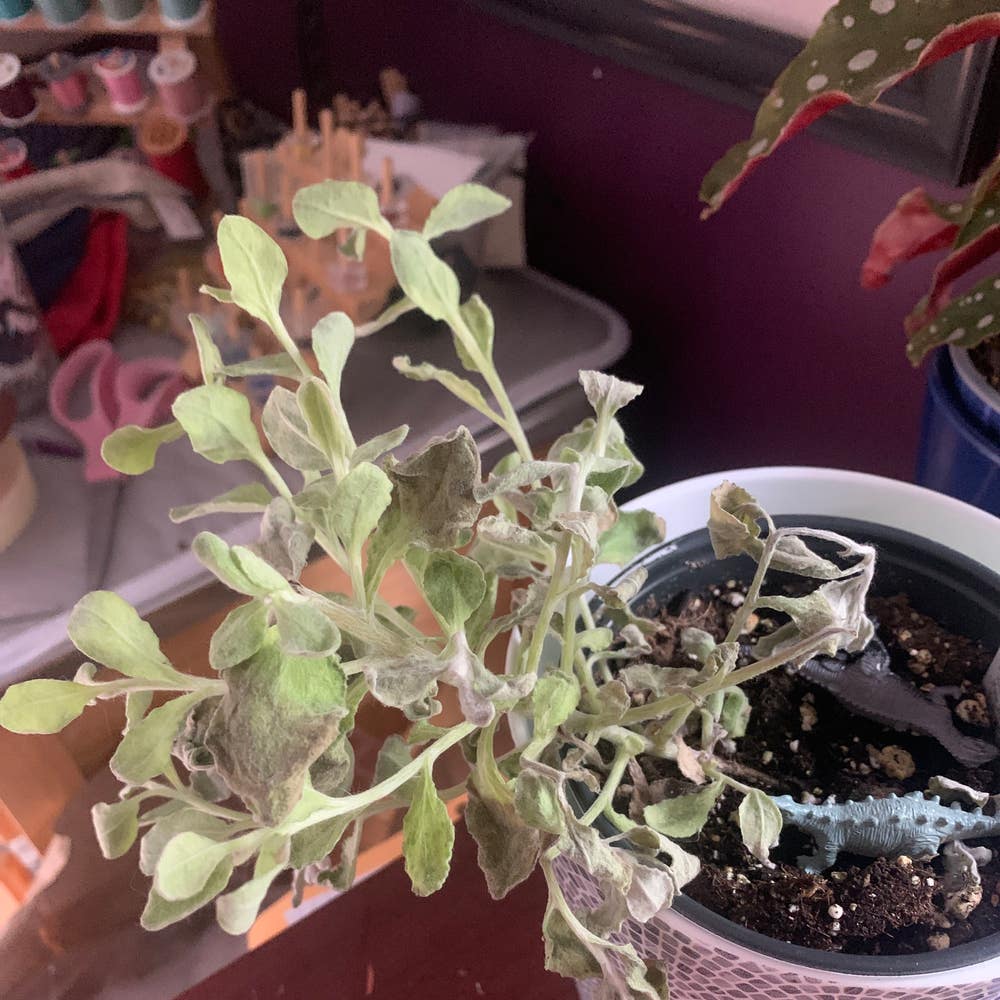
Humidity stress can manifest in various ways. Visually, you might notice leaf discoloration, wilting, or poor flowering.
Behaviorally, plants may exhibit slower growth rates and increased pest activity. These signs indicate that your Everlasting Daisy is not thriving in its current environment.
Solutions for Humidity-Related Problems 💧
Addressing humidity issues can be straightforward. Quick fixes include adjusting your watering practices and improving air circulation around your plants.
For long-term success, regular monitoring is key. Adapt your care routines based on the conditions you observe to keep your Everlasting Daisy healthy and vibrant.
By staying proactive, you can ensure your plants flourish despite humidity challenges.
⚠️ Safety First
This content is for general information and may contain errors, omissions, or outdated details. It is not medical, veterinary advice, or an endorsement of therapeutic claims.
Always consult a qualified healthcare professional before using any plant as food, medicine, or supplement.
Never eat any plant (or feed one to pets) without confirming its identity with at least two trusted sources.
If you suspect poisoning, call Poison Control (800) 222-1222, the Pet Poison Helpline (800) 213-6680, or your local emergency service immediately.
Spotted an error? Please report it here.
Keep your Everlasting Daisy thriving 🌼 by using Greg's tailored humidity tips and reminders to maintain that perfect moisture level for vibrant blooms!