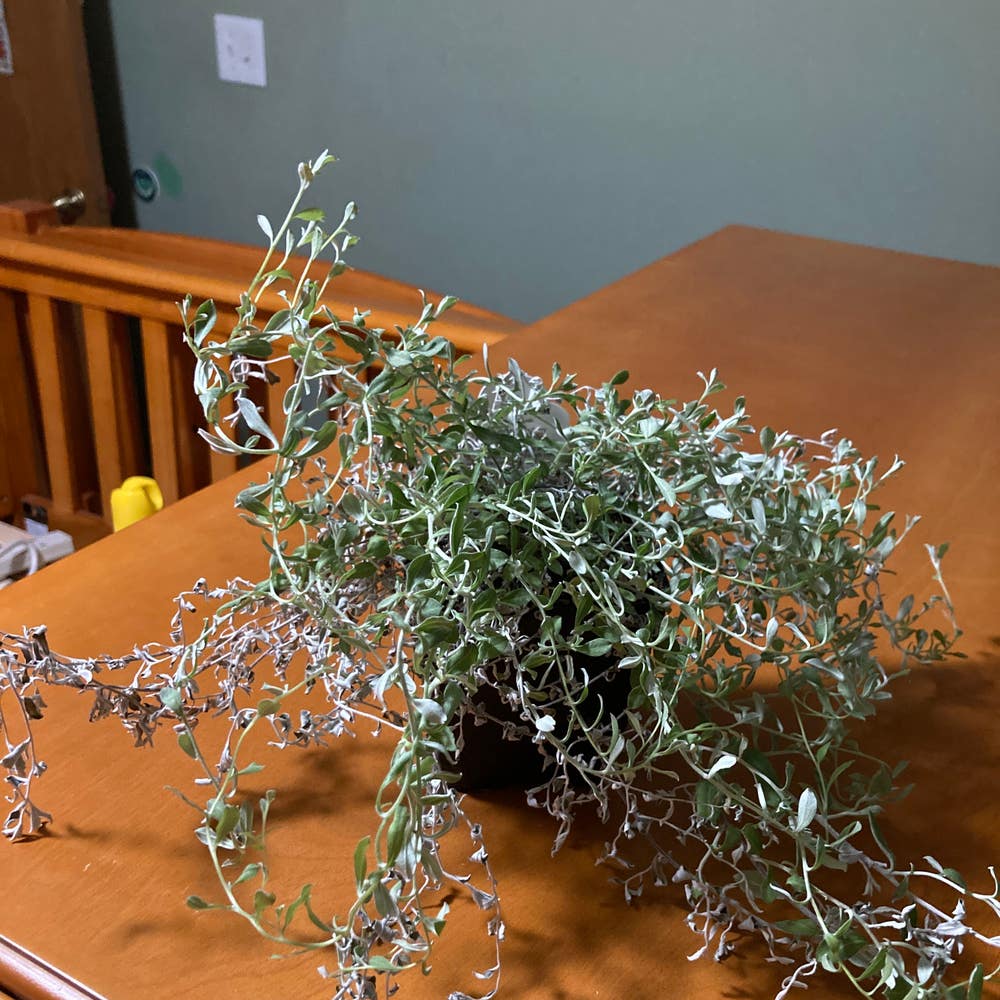
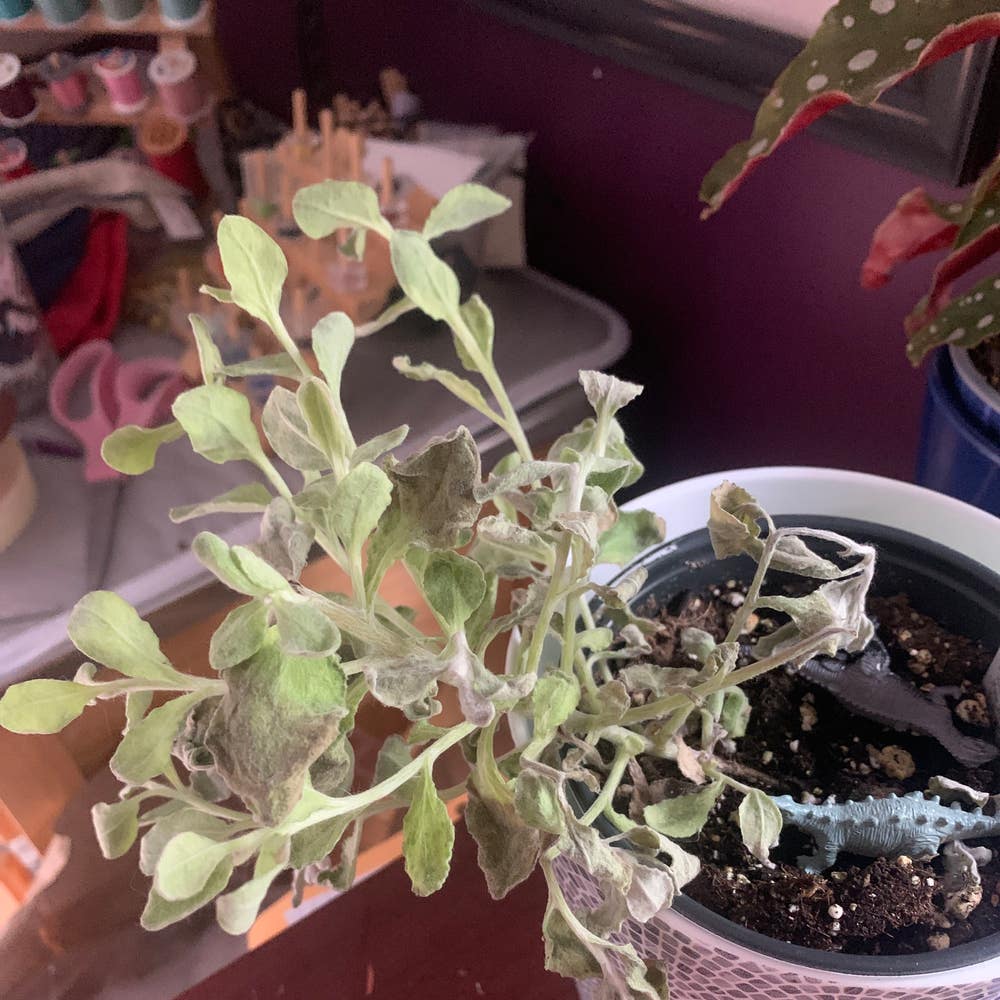
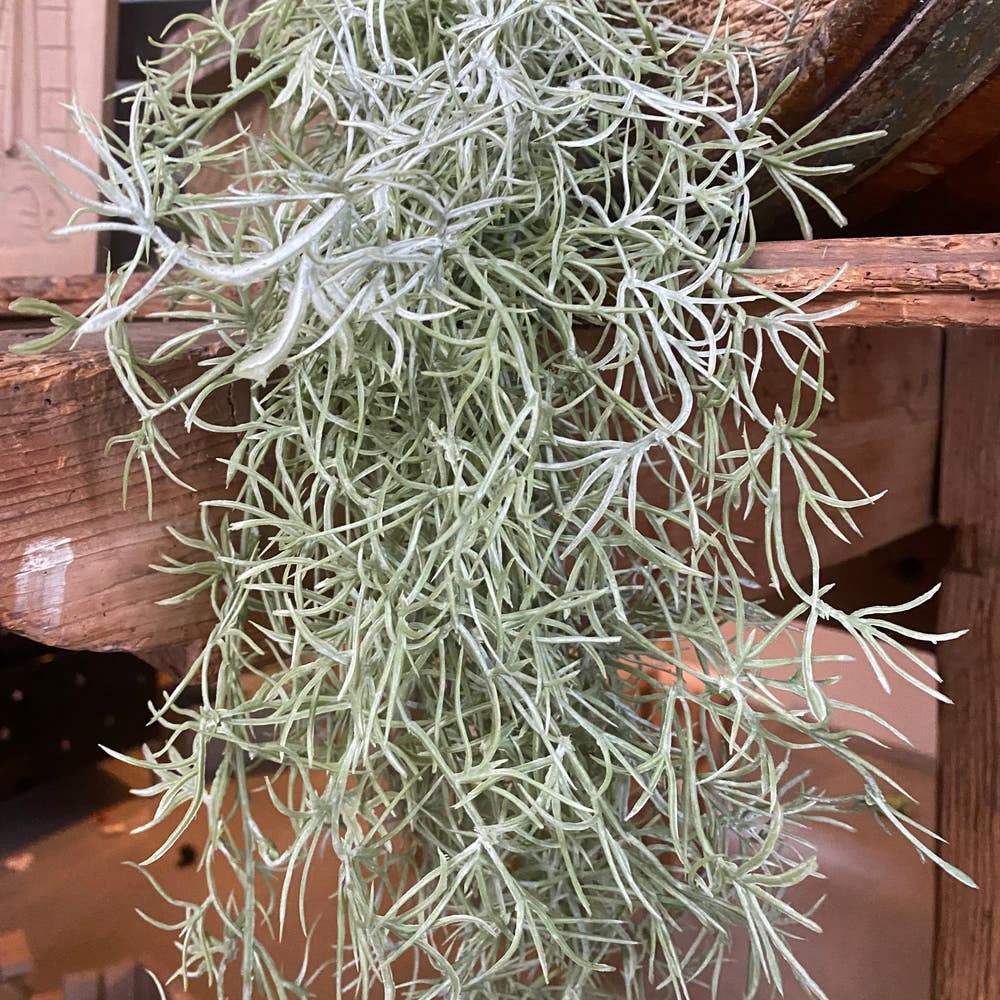
🌼 Actions to Take When Everlasting Daisy Leaves Turn Yellow
Helichrysum retortoides
By the Greg Editorial Team
Oct 25, 2024•6 min read
This article was created with the help of AI so we can cover more plants for you. May contain errors. See one? Report it here.
Revive your yellowing leaves and ensure your Everlasting Daisy thrives with these essential care tips! 🌱✨
- 🌼 Yellow leaves indicate issues like nutrient deficiencies, pests, or watering problems.
- 💧 Overwatering and underwatering both cause yellowing; establish a consistent watering schedule.
- 🐛 Inspect regularly for pests and diseases; timely action can prevent further damage.
Causes of Yellowing Leaves
🌱 Nutrient Deficiencies
Nitrogen Deficiency
Older leaves turning yellow first is a telltale sign of nitrogen deficiency. This nutrient is vital for leaf development and overall plant vigor, so its absence can stunt growth significantly.
Iron Deficiency
If you notice yellowing between leaf veins while the veins remain green, your plant may be suffering from iron deficiency. Iron is crucial for chlorophyll production, which is essential for photosynthesis.
💧 Overwatering and Underwatering
Overwatering
Yellowing leaves accompanied by wilting and root rot indicate overwatering. Excess moisture can suffocate roots and create a breeding ground for fungal diseases.
Underwatering
On the flip side, dry, crispy leaves that also turn yellow signal underwatering. Insufficient water leads to stress and hampers nutrient uptake, affecting plant health.
🐞 Pest Infestations
Aphids
Curling leaves and sticky residue are common symptoms of aphid infestations. These pests weaken plants by sucking sap and can even transmit diseases.
Spider Mites
If you see fine webbing and stippled leaves, spider mites might be the culprit. They thrive in dry conditions and can cause significant damage if not addressed promptly.
🍄 Fungal Diseases
Root Rot
Wilting and yellowing leaves, along with mushy roots, suggest root rot. This condition often results from overwatering and poor drainage, leading to plant decline.
Powdery Mildew
Look for white, powdery spots on leaves, which indicate powdery mildew. This fungal disease affects photosynthesis and overall plant health, making it crucial to tackle early.
Understanding these causes is the first step in addressing yellowing leaves effectively. Next, we’ll explore how to diagnose the specific issues affecting your Everlasting Daisy.
Diagnosing Yellow Leaves
🔍 Visual Inspection Techniques
Start by examining the leaves closely. Look for changes in color and texture that might indicate nutrient deficiencies or pest damage.
Pay attention to the patterns of yellowing. Are older leaves turning yellow first, or is it affecting new growth? This can provide clues about the underlying issue.
🧪 Soil Testing for pH and Nutrient Levels
Next, consider the soil's pH and nutrient levels. The ideal pH range for Everlasting Daisies is slightly acidic to neutral, between 6.0 and 7.0.
Using soil test kits can help you determine if there are any nutrient deficiencies that need addressing.
🐛 Identifying Pest Damage
Pests can be sneaky, so check for visible signs on leaves and stems. Look for any insects that might be hiding or causing damage.
Also, keep an eye out for sticky residue or fine webbing, which can indicate pest infestations like aphids or spider mites.
🦠 Recognizing Signs of Disease
Inspect your plant for any signs of disease. Discoloration, wilting, or unusual growth patterns can signal a problem.
Don’t forget to check the base of the plant for any fungal growth or rot. Early detection is key to effective treatment.
By following these diagnostic steps, you can pinpoint the cause of yellowing leaves and take appropriate action. Next, let’s explore how to alleviate these yellow leaves and restore your Everlasting Daisy to health.
Alleviating Yellow Leaves
🌊 Adjusting Watering Practices
Establishing a consistent watering schedule is crucial for your Everlasting Daisy. Monitor soil moisture levels regularly to ensure your plant receives just the right amount of water.
Consider using the Greg plant care app for AI-powered reminders. This handy tool helps you maintain optimal moisture levels, preventing both overwatering and underwatering.
🌱 Fertilization Methods
When it comes to fertilization, you have options. Organic choices like compost, fish emulsion, or seaweed extract can boost your plant's health naturally.
If you prefer synthetic options, look for balanced NPK fertilizers specifically tailored to the needs of Everlasting Daisies. These fertilizers provide essential nutrients to support robust growth.
🐛 Pest Control Strategies
Pest control is essential for keeping your plant thriving. Insecticidal soap is a safe and effective treatment for common pests like aphids and spider mites.
For a broader approach, consider neem oil. This versatile treatment works against various pests and can also tackle fungal issues, giving your plant a fighting chance.
🍄 Treatment for Fungal Infections
If your plant is suffering from fungal infections, timely intervention is key. Apply fungicides as needed, carefully following the label instructions for best results.
Improving drainage is another effective strategy. Amending your soil with perlite or sand can help prevent waterlogging, reducing the risk of root rot and other fungal problems.
By addressing these issues proactively, you can help your Everlasting Daisy bounce back from yellowing leaves. Next, let’s explore how to prevent yellow leaves from occurring in the first place.
Preventing Yellow Leaves
🌱 Best Practices for Soil Preparation
To keep your Everlasting Daisy thriving, start with well-draining soil enriched with organic matter. Testing and amending the soil pH before planting ensures your plants have the right environment to flourish.
☀️ Optimal Sunlight Exposure
Position your plants in full sun, aiming for 6-8 hours of sunlight daily. This exposure promotes healthy growth, but keep an eye out for signs of sunburn or excessive shade that could hinder their development.
🔍 Regular Monitoring for Pests and Diseases
Conduct weekly inspections to catch any potential issues early. Implementing integrated pest management strategies can help maintain a healthy garden ecosystem.
🍂 Seasonal Care Tips
In spring, adjust your care by fertilizing and checking for pests as growth resumes. As fall approaches, prepare your plants for dormancy by reducing watering and cleaning up any debris around them.
By following these preventive measures, you can significantly reduce the chances of yellowing leaves and ensure your Everlasting Daisy remains vibrant and healthy. Next, let’s explore post-diagnosis care to help your plants recover if they do show signs of distress.
Post-Diagnosis Care
Recovery Techniques for Affected Plants 🌱
After diagnosing the issue, it's crucial to gradually reintroduce optimal care practices. This tailored approach helps the plant recover without overwhelming it.
Monitor the plant closely for signs of improvement. Look for new growth or a return to vibrant color as indicators of recovery.
When to Prune Yellowing Leaves ✂️
Pruning yellowing leaves can significantly enhance airflow and reduce the risk of disease spread. This simple action can make a big difference in your plant's health.
Timing is key; prune during the growing season for the best results. This ensures the plant can quickly heal and redirect energy to healthier growth.
Replanting or Relocating the Plant if Necessary 🚚
Before deciding to relocate your plant, assess its root health and overall condition. This step is vital to ensure that the move will benefit the plant rather than cause additional stress.
Choose a new location that offers optimal conditions, such as better sunlight or improved drainage. This proactive measure can help prevent the recurrence of yellowing leaves and promote long-term health.
With these post-diagnosis care strategies, you can set your Everlasting Daisy on the path to recovery. Next, let’s explore how to prevent yellow leaves from becoming a recurring issue.
⚠️ Safety First
This content is for general information and may contain errors, omissions, or outdated details. It is not medical, veterinary advice, or an endorsement of therapeutic claims.
Always consult a qualified healthcare professional before using any plant as food, medicine, or supplement.
Never eat any plant (or feed one to pets) without confirming its identity with at least two trusted sources.
If you suspect poisoning, call Poison Control (800) 222-1222, the Pet Poison Helpline (800) 213-6680, or your local emergency service immediately.
Spotted an error? Please report it here.
Keep your Everlasting Daisies vibrant and healthy 🌼 by using Greg's tailored reminders and expert tips to tackle yellowing leaves before they become a problem!