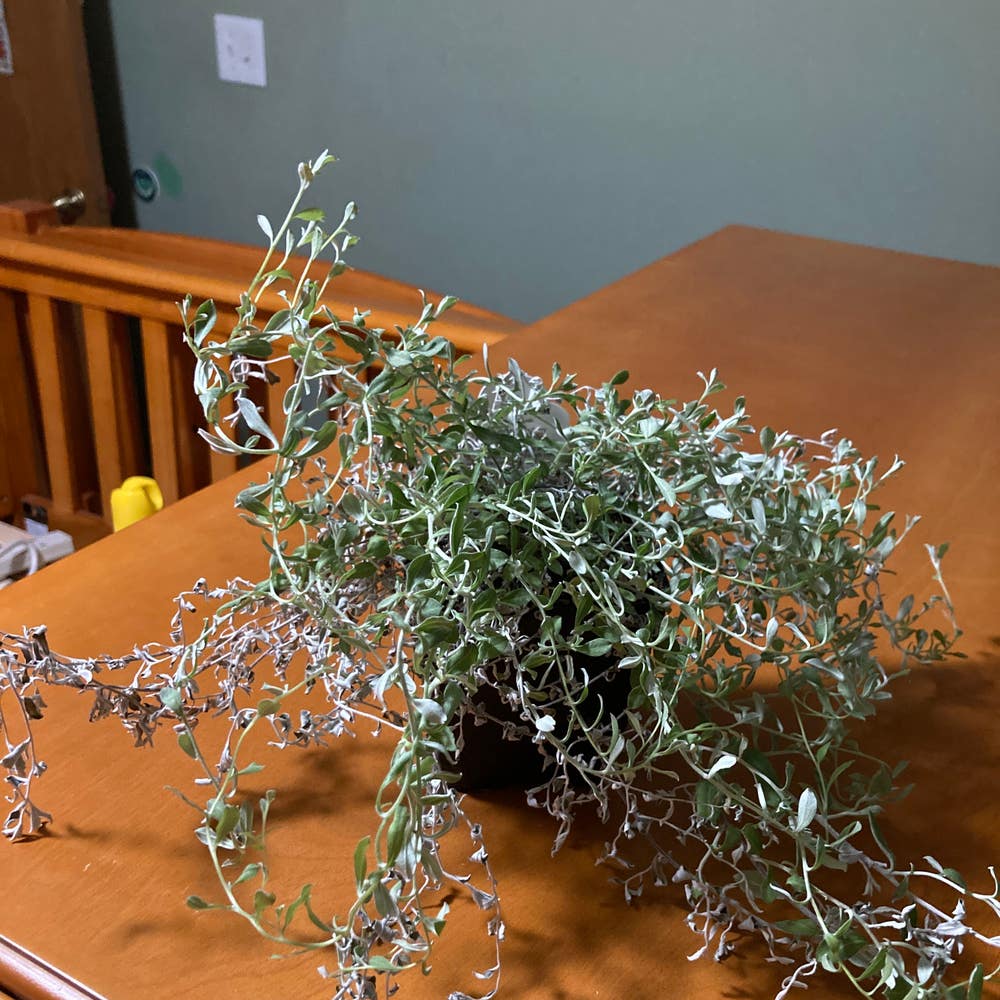
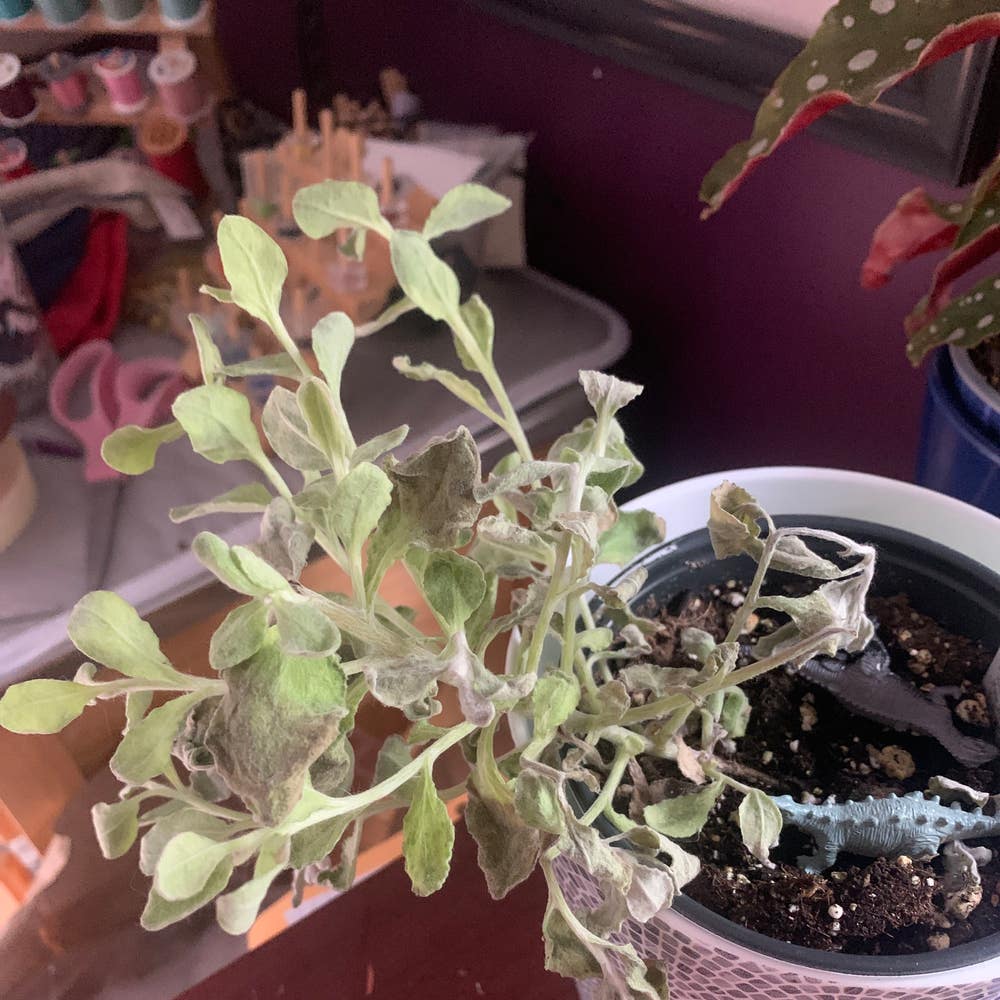
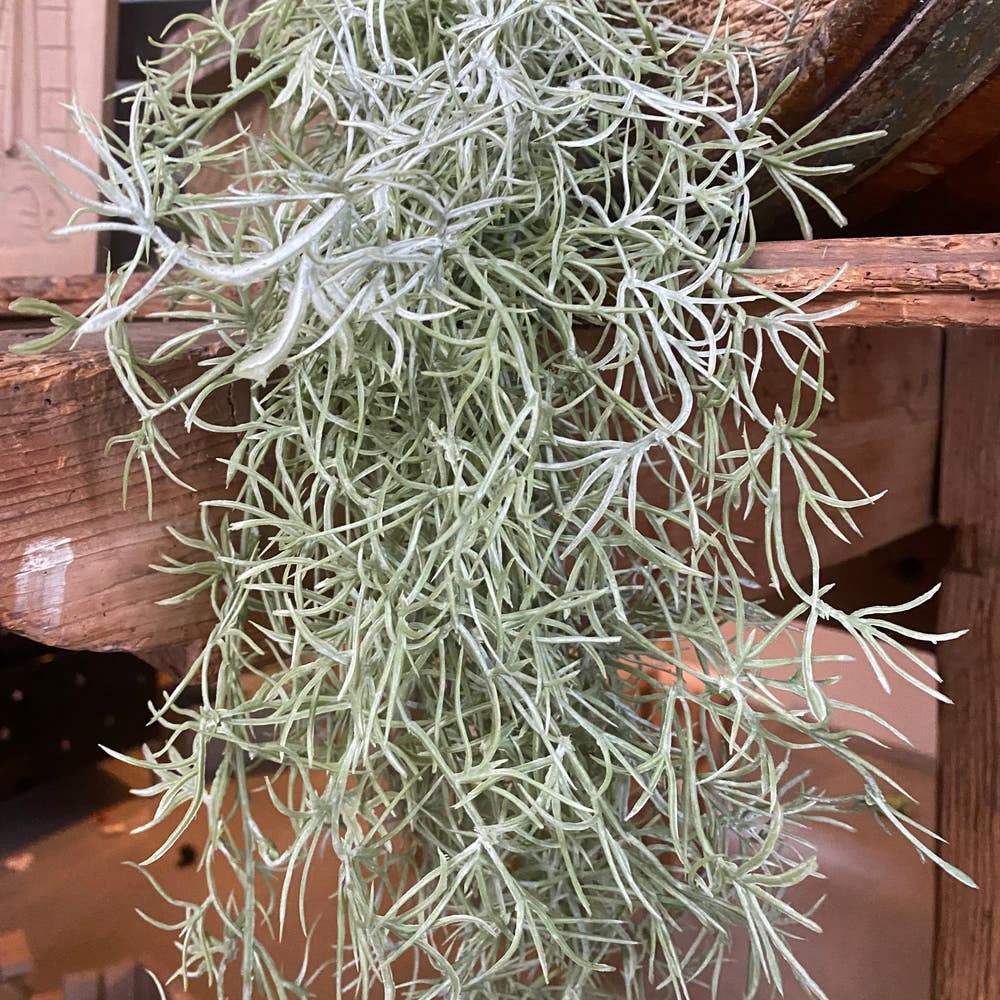
🌼 Everlasting Daisy: A Perennial Plant
Helichrysum retortoides
By the Greg Editorial Team
Oct 25, 2024•6 min read
This article was created with the help of AI so we can cover more plants for you. May contain errors. See one? Report it here.
Transform your garden with the resilient Everlasting Daisy 🌼—a vibrant, low-maintenance perennial that blooms year after year!
- 🌼 Everlasting Daisy thrives for 3-5 years, offering long-lasting beauty in gardens.
- 🌱 Strong roots ensure resilience, drawing nutrients during dormancy for regrowth.
- ☀️ Adaptable to climates, it blooms in various conditions with proper care.
Characteristics of Everlasting Daisy as a Perennial
🌱 Multi-Year Lifecycle
The Everlasting Daisy showcases a fascinating multi-year lifecycle. It begins with seed germination, where tiny seeds sprout into seedlings, followed by vegetative growth, flowering, and ultimately, dormancy.
Throughout the year, the plant transitions through distinct growth phases. Typically, germination occurs in early spring, leading to lush foliage by summer, vibrant blooms in late summer, and a restful dormancy in winter.
🌼 Growth Patterns and Regrowth from Roots
Each year, the Everlasting Daisy exhibits a remarkable growth pattern. It develops fresh foliage and flowers, creating a stunning display that gardeners adore.
The magic lies in its roots. During dormancy, the plant conserves energy, drawing nutrients and moisture from its established root system to support new growth when conditions improve. This resilience makes it a favorite among perennial enthusiasts.
Seasonal Changes and Dormancy
🌱 Dormancy Periods
Everlasting Daisy enters dormancy primarily during the colder months. This natural pause occurs as the plant conserves energy and resources, preparing for the next growth cycle.
The duration of dormancy can vary based on climate. In milder regions, it may last only a few weeks, while in harsher climates, it can extend for several months.
🌼 Seasonal Changes Affecting Growth and Flowering
Temperature and light play crucial roles in the growth and flowering of Everlasting Daisy. As days lengthen and temperatures rise in spring, the plant responds by breaking dormancy and initiating new growth.
Blooming periods typically occur in late spring to early summer. However, these times can shift depending on regional climate variations, with some areas experiencing earlier or later flowering.
Advantages for Gardeners
🌱 Benefits of Reduced Replanting
One of the standout features of the Everlasting Daisy is its perennial nature, which significantly reduces the need for replanting. Once established, these plants can thrive for years, allowing gardeners to enjoy a vibrant display without the hassle of annual replacements.
This longevity translates into cost-effectiveness. Over time, you’ll save on both plant purchases and the labor involved in replanting, making it a smart choice for budget-conscious gardeners.
🌳 Importance of Established Root Systems
Established root systems are a game changer for the Everlasting Daisy. These robust roots help the plant endure adverse conditions, such as drought or heavy rains, ensuring it remains resilient throughout the seasons.
Moreover, strong roots enhance nutrient uptake. They allow the plant to access water and essential nutrients from the soil more efficiently, promoting healthier growth and more abundant blooms.
As you consider incorporating Everlasting Daisy into your garden, remember these advantages. They not only simplify your gardening experience but also contribute to a more sustainable and cost-effective landscape.
Next, let’s explore the lifespan and longevity factors that can further enhance your gardening success with this remarkable perennial.
Lifespan and Longevity Factors
🌱 Expected Lifespan
The Everlasting Daisy typically thrives for about three to five years in optimal conditions. This lifespan is impressive when compared to many other perennials, which may only last a couple of seasons before needing replacement.
⏳ Factors Influencing Longevity
Several environmental factors play a crucial role in determining how long your Everlasting Daisy will flourish.
🌍 Soil Quality
Healthy, well-draining soil rich in organic matter can significantly enhance the plant's lifespan. Poor soil conditions can stunt growth and lead to early decline.
💧 Water Availability
Consistent moisture is vital, but overwatering can be detrimental. Striking the right balance ensures that the plant remains vibrant and resilient.
☀️ Sunlight Exposure
Everlasting Daisy thrives in full sun, so adequate sunlight is essential for robust growth. Insufficient light can weaken the plant, making it more susceptible to stress.
🐛 Pest and Disease Resistance
The plant's ability to resist pests and diseases also impacts its longevity. A healthy Everlasting Daisy can fend off common threats, but neglecting care can lead to infestations or infections that shorten its life.
By understanding these factors, you can create an environment that supports the Everlasting Daisy's longevity, ensuring it remains a stunning addition to your garden for years to come.
Next, let’s explore how climate variations influence the growth and flowering of this resilient perennial.
Climate Variations
Variations in Behavior Across Climate Zones 🌍
Everlasting Daisy exhibits fascinating adaptability across various climate zones. In warmer regions, it tends to flower earlier and more profusely, while in cooler climates, its growth may be delayed but can still thrive with proper care.
For instance, in temperate zones, Everlasting Daisy can withstand frost, entering a period of dormancy during the cold months. Conversely, in arid areas, it develops deeper root systems to access moisture, allowing it to flourish even in challenging conditions.
Impact of Growing Conditions 🌱
Soil type plays a crucial role in the health of Everlasting Daisy. Well-draining sandy soils promote robust growth, while heavy clay can lead to root rot if drainage is poor.
Watering practices are equally important. Regular irrigation supports growth, especially during dry spells, but overwatering can be detrimental. Striking the right balance ensures that this perennial plant remains vibrant and resilient throughout its lifecycle.
Understanding these climate variations and growing conditions can significantly enhance your gardening experience. With the right knowledge, you can cultivate Everlasting Daisy to its fullest potential, ensuring a stunning display year after year.
Maximizing Benefits in Garden Planning
🌱 Tips for Long-Term Cultivation
To cultivate Everlasting Daisy successfully, start with proper soil preparation. Ensure the soil is well-draining and rich in organic matter to promote healthy growth.
Establish a consistent watering schedule, especially during dry spells. This plant thrives with moderate moisture but can suffer from overwatering, so aim for a balanced approach.
Fertilization is key to robust growth. Use a balanced fertilizer in early spring to give your Everlasting Daisy the nutrients it needs to flourish throughout the growing season.
🌦️ Seasonal Care
Adjust your care routine with the changing seasons. In spring, focus on removing any dead foliage to encourage new growth.
During summer, monitor for pests and ensure adequate watering. As fall approaches, reduce watering to prepare the plant for dormancy.
🌼 Strategies for Incorporating in Garden Design
Companion planting can enhance the health and beauty of your garden. Consider pairing Everlasting Daisy with plants like lavender or salvia, which can attract beneficial pollinators.
When designing your garden layout, think about height and color. Everlasting Daisy's vibrant blooms can serve as a stunning focal point, especially when placed among lower-growing plants.
🏡 Design Considerations
Integrate Everlasting Daisy into various garden styles, from cottage gardens to modern landscapes. Its versatility allows it to complement a range of aesthetics while providing functional benefits, such as attracting pollinators.
By planning thoughtfully, you can maximize the benefits of Everlasting Daisy, ensuring it thrives and adds beauty to your garden for years to come.
Next, let's explore the lifespan and longevity factors that contribute to the enduring appeal of this perennial plant.
⚠️ Safety First
This content is for general information and may contain errors, omissions, or outdated details. It is not medical, veterinary advice, or an endorsement of therapeutic claims.
Always consult a qualified healthcare professional before using any plant as food, medicine, or supplement.
Never eat any plant (or feed one to pets) without confirming its identity with at least two trusted sources.
If you suspect poisoning, call Poison Control (800) 222-1222, the Pet Poison Helpline (800) 213-6680, or your local emergency service immediately.
Spotted an error? Please report it here.
Ensure your Everlasting Daisy thrives for years with Greg's personalized care tips 🌼 that help you master watering, soil quality, and seasonal adjustments!