🌼 3 Key Winter Strategies for Everlasting Daisy
Helichrysum retortoides
By the Greg Editorial Team
Oct 25, 2024•5 min read
This article was created with the help of AI so we can cover more plants for you. May contain errors. See one? Report it here.
Keep your Everlasting Daisy thriving this winter with essential tips for frost protection and indoor care! ❄️🌱
- ❄️ Frost protection is crucial for Everlasting Daisy to ensure healthy winter growth.
- 🌱 Adjust watering to every 2-3 weeks in winter to prevent root rot.
- 🌞 Bring plants indoors before frost for optimal light and temperature conditions.
Winter Care Strategies
Protecting from Frost ❄️
Frost protection is crucial for Everlasting Daisy, as it prevents damage to leaves and flowers. Without proper care, frost can lead to unsightly brown patches and stunted growth.
Methods of Frost Protection
- Covering Plants: Use frost cloth or burlap during cold nights to shield your plants.
- Using Mulch: Apply mulch around the root zone to insulate and retain warmth.
- Sheltered Locations: Plant in areas that offer natural protection from harsh winds and frost.
Timing for Protection
Stay vigilant by monitoring local weather forecasts for frost warnings. This proactive approach ensures you can act quickly to protect your plants.
Adjusting Watering Schedules 💧
As winter sets in, it’s essential to adjust your watering routine. Overwatering can lead to root rot, which is detrimental to your Everlasting Daisy.
Watering Frequency
Reduce watering to every 2-3 weeks, depending on rainfall and temperature. Always check soil moisture before watering; aim for slightly dry conditions to keep roots healthy.
Signs of Overwatering
Watch for yellowing leaves and mushy stems, which indicate your plant is getting too much water. Adjust your schedule accordingly to prevent these issues.
Fertilizing in Winter 🌱
Fertilization during winter supports the health of your Everlasting Daisy while it’s dormant. A little care goes a long way in ensuring a vibrant spring.
Recommended Fertilization Schedule
Use a balanced, slow-release fertilizer in late fall to prepare your plants for winter. Avoid fertilizing during the deep winter months when the plant is in dormancy.
Types of Fertilizers
Consider organic options like compost or well-rotted manure. These not only nourish your plants but also enrich the soil, promoting long-term health.
By following these winter care strategies, you can ensure your Everlasting Daisy thrives even in the cold months. Next, let’s explore how to care for your plants indoors during winter.
Indoor Winter Care
🌨️ When to Bring Indoors
As winter approaches, keep an eye out for prolonged frost or extreme cold. It's best to bring your Everlasting Daisy indoors before the first hard frost hits.
Transitioning your plant to indoor conditions is crucial. Gradually acclimatize it to the new environment to minimize shock.
🏠 Indoor Care Requirements
Light Requirements
Position your Everlasting Daisy in a bright, sunny spot, ideally a south-facing window. This ensures it receives the light it needs to thrive indoors.
Temperature Preferences
Aim to maintain indoor temperatures between 60°F to 70°F (15°C to 21°C). This range keeps your plant comfortable and healthy.
Watering Indoors
Adjust your watering schedule to every 1-2 weeks. Ensure the pot has good drainage to prevent waterlogging.
Humidity Considerations
Indoor air can be dry, especially in winter. Increase humidity by using a pebble tray or misting the leaves occasionally.
By following these indoor care strategies, your Everlasting Daisy will not only survive but thrive through the winter months. Next, let’s explore how to prepare for spring and recover from any winter damage.
Spring Preparation and Recovery
🌨️ Signs of Winter Damage
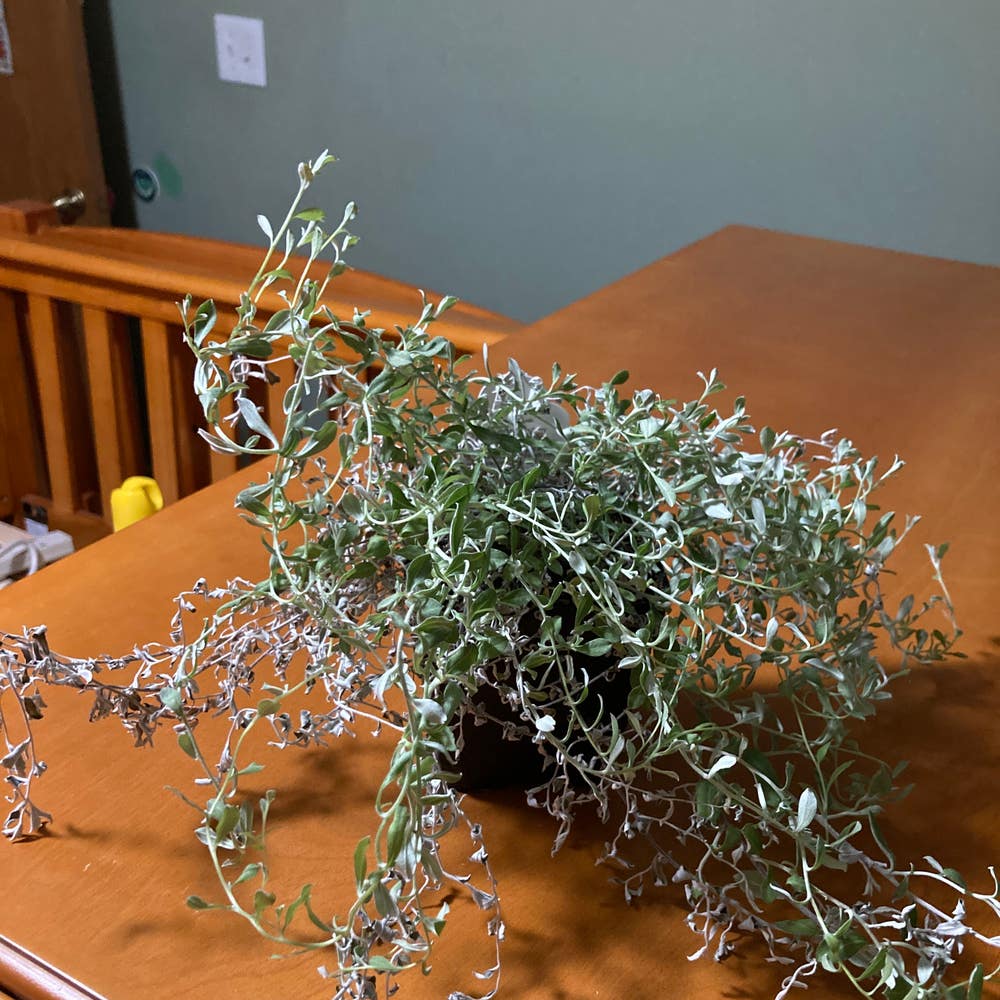
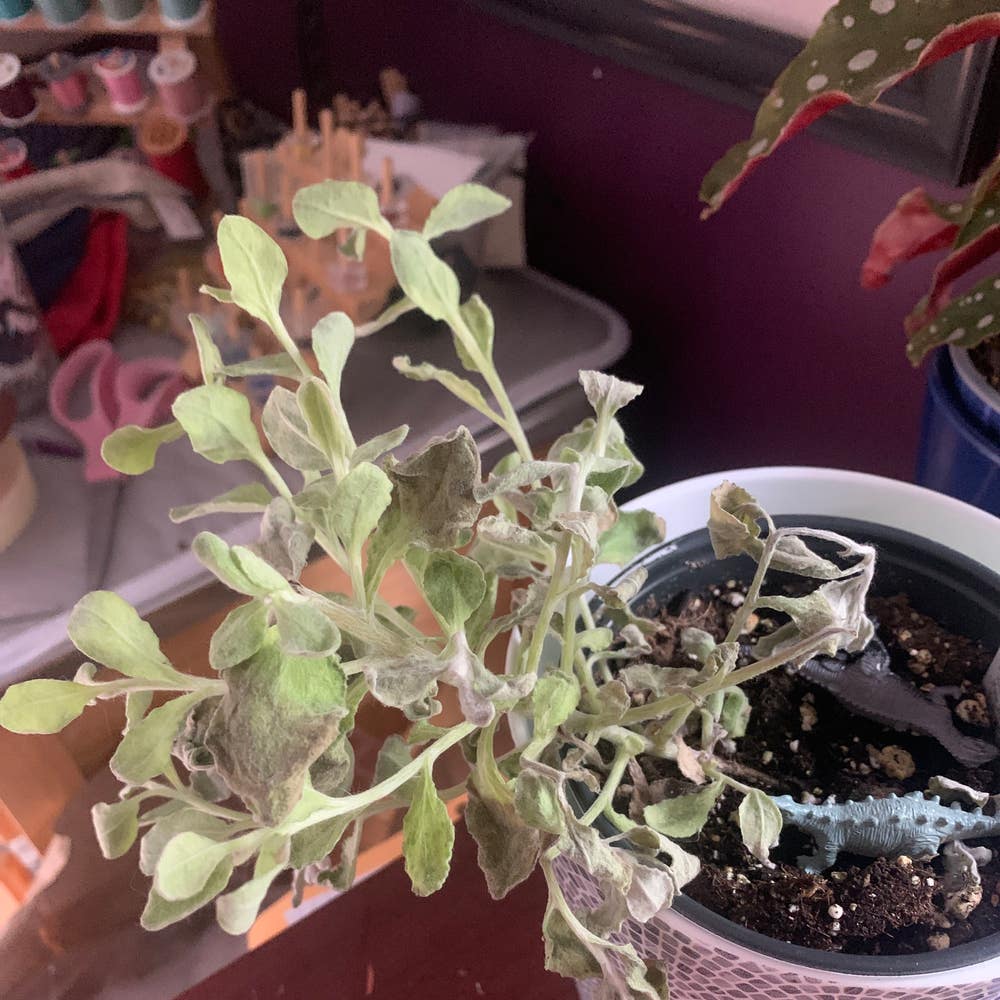
As winter fades, keep an eye out for signs of damage on your Everlasting Daisy. Look for brown or wilted leaves and stunted growth, which indicate that your plant may have suffered during the colder months.
Assessing root health is equally important. Check for mushy or discolored roots, as these can signal rot or other issues. Early detection is crucial; it allows you to intervene promptly and give your plant the best chance for recovery.
🌱 Steps for Recovery and Rejuvenation
Once you've identified any damage, it's time to take action. Start by pruning away any dead or damaged foliage. This encourages new growth and helps your plant focus its energy on healthier parts.
Next, consider fertilizing in spring. Applying a balanced fertilizer will support recovery and promote vibrant growth. Gradually increase your watering frequency as temperatures rise, ensuring your plant gets the hydration it needs without overdoing it.
Finally, keep an eye out for pests. Winter can harbor unwanted guests, so check for any infestations that may have developed while your plant was dormant. Addressing these issues early will set your Everlasting Daisy up for a thriving spring.
With these steps, your plant will be well on its way to rejuvenation, ready to bloom beautifully as the weather warms.
Common Challenges and Solutions
🌨️ Addressing Frost Damage
Frost can wreak havoc on your Everlasting Daisy, leaving behind blackened or mushy areas on the leaves. Identifying these signs early is crucial for recovery.
To help your plant bounce back, prune away the affected areas and provide extra care. This includes ensuring it has the right conditions to thrive, like adequate sunlight and moisture.
Preventative measures are key. Implement frost protection strategies in advance, such as covering your plants on cold nights or using mulch to insulate the roots.
💧 Managing Moisture Levels
Moisture management is essential for preventing root rot and promoting healthy growth. Too much or too little water can lead to serious issues.
To control moisture levels, use well-draining soil to avoid water accumulation. Regularly monitor rainfall and adjust your watering schedule accordingly.
Watch for signs of moisture imbalance, such as wilting despite adequate watering or overly soggy soil. These indicators can help you fine-tune your care routine.
By addressing frost damage and managing moisture effectively, you set your Everlasting Daisy up for a successful winter. Next, let’s explore how to prepare for spring recovery and rejuvenation.
⚠️ Safety First
This content is for general information and may contain errors, omissions, or outdated details. It is not medical, veterinary advice, or an endorsement of therapeutic claims.
Always consult a qualified healthcare professional before using any plant as food, medicine, or supplement.
Never eat any plant (or feed one to pets) without confirming its identity with at least two trusted sources.
If you suspect poisoning, call Poison Control (800) 222-1222, the Pet Poison Helpline (800) 213-6680, or your local emergency service immediately.
Spotted an error? Please report it here.
Keep your Everlasting Daisy thriving this winter ❄️ with Greg's tailored care tips and reminders that ensure your plants stay cozy and vibrant all season long!