🌼 How Often to Water Your Everlasting Daisy
Helichrysum retortoides
By the Greg Editorial Team
Oct 25, 2024•5 min read
This article was created with the help of AI so we can cover more plants for you. May contain errors. See one? Report it here.
Unlock the secret to a thriving Everlasting Daisy 🌼 by mastering its perfect watering routine for year-round beauty!
- 💧 Water every 1-2 weeks during growing season for optimal everlasting daisy health.
- 🌡️ Adjust watering based on climate, pot size, and seasonal changes for best results.
- 🌱 Monitor soil moisture to prevent yellowing leaves from over-watering or wilting from dehydration.
Watering Frequency
Ideal Watering Schedule 🌧️
Watering your everlasting daisy is crucial for its health. As a general guideline, aim to water every 1-2 weeks during the growing season.
Adjust this frequency based on several factors.
- Climate: In hotter climates, your plant may need more frequent watering to stay hydrated.
- Pot Size: Smaller pots dry out faster than larger ones, so keep an eye on moisture levels.
- Season: During winter dormancy, reduce watering frequency to prevent over-saturation.
Understanding these variables will help you maintain a thriving everlasting daisy. By tailoring your watering schedule, you can ensure your plant remains vibrant and healthy throughout the year.
Recognizing Over-Watering
Symptoms of Over-Watering 🌊
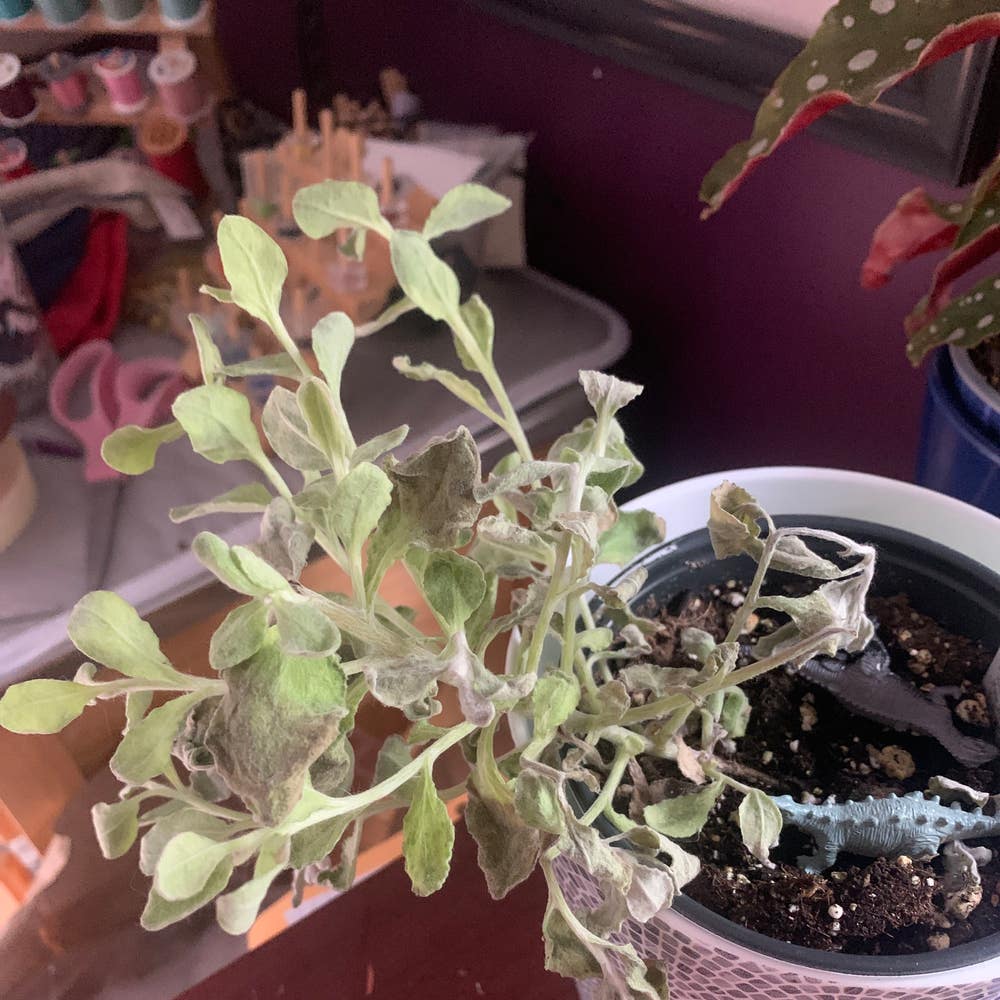
Over-watering can be a sneaky problem for your Everlasting Daisy. Look out for yellowing leaves, which signal stress from excess moisture.
Wilting leaves despite wet soil? This could mean your roots are suffocating. If you notice dark, mushy roots upon inspection, that’s a clear sign of root rot. Additionally, mold or fungus on the soil surface indicates stagnant water, which is a red flag.
Correcting Over-Watering Issues 🔧
If you suspect over-watering, take immediate action. First, stop watering right away to prevent further damage.
Next, check the drainage holes to ensure they aren’t blocked. If root rot is present, you’ll need to repot your plant. Trim any affected roots and replant in fresh, dry soil. Finally, allow the soil to dry out completely before resuming your watering routine.
By addressing these issues promptly, you can help your Everlasting Daisy thrive again. Now, let’s move on to recognizing the signs of under-watering.
Recognizing Under-Watering
Symptoms of Under-Watering 🌵
Under-watering your Everlasting Daisy can lead to several noticeable symptoms.
- Drooping leaves are often the first sign of dehydration, indicating your plant is thirsty.
- Crispy leaf edges suggest a prolonged lack of moisture, making the plant look unhealthy.
- If you notice soil pulling away from the pot edges, it’s a clear indication of excessive dryness.
- Flower wilting not only affects the plant's appearance but can also hinder blooming potential.
Correcting Under-Watering Issues 💧
If you suspect your plant is under-watered, here’s how to address it effectively:
- Water thoroughly: Ensure that water reaches the root zone for maximum absorption.
- Increase watering frequency: Adjust based on environmental conditions, such as heat or humidity.
- Mulching: Adding a layer of mulch helps retain moisture in the soil, benefiting your plant.
- Monitor closely: Regularly check soil moisture to prevent recurrence of under-watering.
By staying vigilant and responsive to your plant's needs, you can keep your Everlasting Daisy thriving. Next, let’s explore effective watering techniques to ensure your plant gets just the right amount of moisture.
Watering Techniques
🌊 Bottom-Watering Method
The bottom-watering method is a fantastic way to ensure your Everlasting Daisy gets the moisture it needs. Water is absorbed through the drainage holes, promoting deep root growth and healthier plants.
Step-by-Step Guide
- Fill a tray with water.
- Place the pot in the tray for 30 minutes.
- Remove the pot and allow excess water to drain.
This technique reduces the risk of over-watering and promotes even moisture distribution, making it a reliable choice for any gardener.
💧 Self-Watering Pots
Self-watering pots are a game-changer for busy gardeners. These pots feature a reservoir at the bottom, allowing for consistent moisture levels without constant attention.
Advantages
- Reduces the frequency of watering.
- Helps maintain optimal soil moisture.
- Ideal for those with inconsistent schedules.
With self-watering pots, you can enjoy the beauty of your Everlasting Daisy without the stress of daily care.
By implementing these watering techniques, you'll set your plants up for success. Next, let's explore how to measure soil moisture effectively to ensure your daisies thrive.
Measuring Soil Moisture
🛠️ Tools for Measuring Soil Moisture
Understanding soil moisture is crucial for the health of your Everlasting Daisy. Here are some effective tools to help you gauge moisture levels:
- Soil Moisture Meter: This handy device provides accurate readings, ensuring you know exactly when to water.
- Finger Test: A simple and quick method—just insert your finger into the soil to check for dampness.
- Weight Test: Lift the pot to assess its weight; a lighter pot usually indicates dry soil.
📋 Step-by-Step Guide to Checking Moisture Levels
Checking soil moisture can be straightforward. Follow these steps for accurate results:
Use a Moisture Meter or Finger Test:
- Insert the meter or your finger up to 2 inches deep into the soil.
- Read the moisture level or feel for dampness to determine if watering is needed.
Assess the Weight of the Pot:
- Compare the weight of a dry pot with that of a recently watered one.
- A significant difference in weight can indicate the moisture level.
Determine Watering Needs Based on Findings:
- If the soil feels dry or the moisture meter reads low, it’s time to water.
- Regular checks will help you maintain the right moisture balance for your plant.
By mastering these techniques, you'll ensure your Everlasting Daisy thrives. Next, let’s explore effective watering reminders to keep your plant care on track.
Watering Reminders
🌱 Using the Greg Plant Care App
The Greg Plant Care App is a game-changer for plant enthusiasts. It offers customizable reminders tailored to your Everlasting Daisy's specific needs, ensuring you never miss a watering session.
This app not only helps prevent over-watering and under-watering but also keeps a detailed history of your watering habits. With its notifications, you can maintain optimal care effortlessly.
📅 Customizing Watering Schedules
Adapting your watering schedule is crucial as your plant responds to its environment. Seasonal changes and plant growth stages can significantly impact how often you should water.
To make the most of your watering routine, consider these tips:
- Set reminders for specific days of the week to create a consistent habit.
- Use the app to log your observations, allowing you to adjust care based on your plant's needs.
With these tools, you can cultivate a thriving Everlasting Daisy while enjoying the process. Now, let’s explore effective watering techniques to further enhance your plant care journey.
⚠️ Safety First
This content is for general information and may contain errors, omissions, or outdated details. It is not medical, veterinary advice, or an endorsement of therapeutic claims.
Always consult a qualified healthcare professional before using any plant as food, medicine, or supplement.
Never eat any plant (or feed one to pets) without confirming its identity with at least two trusted sources.
If you suspect poisoning, call Poison Control (800) 222-1222, the Pet Poison Helpline (800) 213-6680, or your local emergency service immediately.
Spotted an error? Please report it here.
Keep your everlasting daisy thriving 🌼 by watering it every 1-2 weeks and let Greg set up personalized reminders to ensure you never miss a drop!