When to Repot Everlasting Daisy 🌼
Helichrysum retortoides
By the Greg Editorial Team
Oct 25, 2024•6 min read
This article was created with the help of AI so we can cover more plants for you. May contain errors. See one? Report it here.
Unlock vibrant blooms 🌼 by mastering the signs your Everlasting Daisy needs repotting and giving it the care it deserves!
- 🌱 Visible roots through drainage holes indicate it's time to repot your Everlasting Daisy.
- 🌼 Yellowing leaves and stunted growth signal your plant needs a larger pot.
- 🕒 Repot every 1-2 years for optimal growth and flower production.
Signs That Your Everlasting Daisy Needs Repotting
🌱 Physical Indicators
One of the first signs that your Everlasting Daisy needs repotting is when roots start growing out of the drainage holes. This is a clear indication that the plant has outgrown its current home.
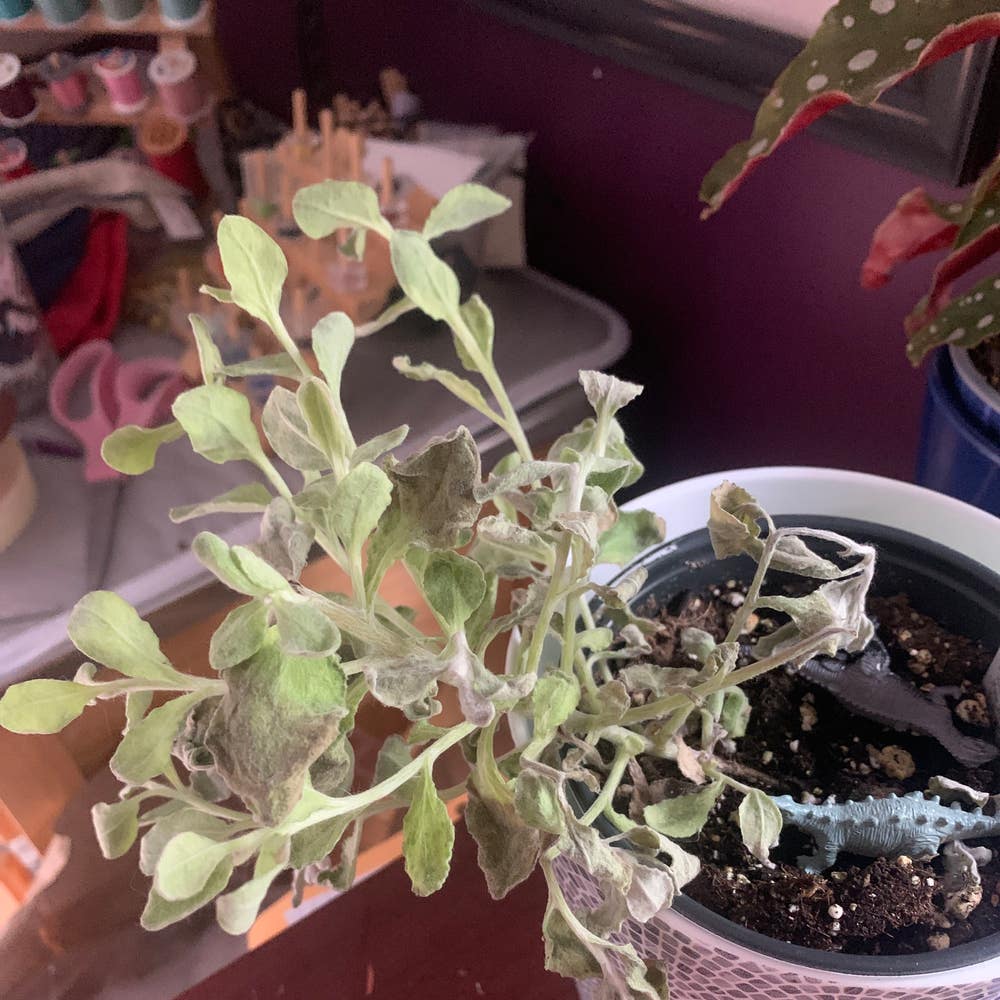
Stunted growth or yellowing leaves are also red flags. If your plant isn't thriving, it might be time for a new pot.
Another telltale sign is soil that dries out too quickly after watering. If you find yourself watering more frequently without seeing improvement, your plant could be pot-bound.
🧐 Behavioral Signs
Behaviorally, your Everlasting Daisy may wilt despite receiving adequate water. This wilting can be frustrating, but it often signals that the roots are cramped.
Additionally, if flower production decreases or stops altogether, it’s a strong hint that your plant needs more space to flourish.
⏰ Timing Considerations
The best time to observe these signs is during the growing season, which typically runs from spring to early summer. This is when your plant is most active and any stress will be more apparent.
Recognizing these signs early can help ensure your Everlasting Daisy remains healthy and vibrant. Now that you know when to repot, let’s explore the ideal timing for the repotting process.
Ideal Timing for Repotting
🌱 Seasonal Considerations
The best time to repot your Everlasting Daisy is early spring, just before the growing season kicks off. This timing allows the plant to settle into its new home while it’s ready to thrive.
Avoid repotting during flowering or extreme temperature conditions. Doing so can stress the plant and hinder its growth.
⏰ Frequency of Repotting
Repotting every 1-2 years is generally recommended. Keep an eye out for signs of pot-bound roots, as these indicate it’s time for a new pot.
Regular repotting ensures your Everlasting Daisy has the space and nutrients it needs to flourish. This proactive approach can lead to healthier plants and more vibrant blooms.
With the right timing in mind, you’re setting the stage for successful repotting. Next, let’s dive into a step-by-step guide to make the process seamless and effective.
Pot Material Options
Best Pot Materials 🌱
Choosing the right pot material is crucial for the health of your Everlasting Daisy. Terracotta pots are a popular choice due to their breathability, allowing air to circulate and moisture to evaporate at a balanced rate.
On the other hand, plastic pots are lightweight and excellent at retaining moisture. They can be a practical option for those who prefer easy handling and lower costs.
Pot Materials to Avoid 🚫
Not all materials are suitable for your plants. Metal pots can overheat in direct sunlight, potentially damaging the roots and stunting growth.
Additionally, avoid non-breathable materials. These can trap moisture, leading to root rot and other issues that can jeopardize your plant's health.
Benefits of Using Terracotta vs. Plastic Pots ⚖️
When comparing terracotta and plastic, each has its unique advantages. Terracotta promotes air circulation and helps prevent overwatering, making it ideal for plants that thrive in well-drained conditions.
Conversely, plastic pots are easier to manage and often more affordable. They can be a great choice for beginners or those looking to save on costs while still providing a suitable environment for their Everlasting Daisy.
In summary, selecting the right pot material can significantly impact your plant's growth and overall health. Now that you know what to choose and what to avoid, let’s dive into how to select the right container size for your Everlasting Daisy.
Choosing the Right Container Size
Ideal Container Size 🌱
Choosing the right pot size is crucial for your Everlasting Daisy's health. As a general rule, select a pot that is 1-2 inches larger in diameter than the previous one.
A pot that's too large can lead to excess soil moisture, which may cause root rot. Stick to the recommended size to ensure your plant thrives.
Importance of Drainage Holes 🚰
Drainage holes are essential for preventing waterlogging and root rot. Without them, your plant's roots can suffocate and decay.
Aim for at least 4-5 drainage holes in your new pot for optimal drainage. This simple feature can make a significant difference in your plant's overall health.
With the right container size and adequate drainage, your Everlasting Daisy will have the best chance to flourish. Next, let’s explore the best soil mix for repotting!
Best Soil Mix for Repotting
Recommended Soil Composition 🌱
For your Everlasting Daisy, a well-draining potting mix enriched with organic matter is essential. This combination ensures that the roots receive adequate air and moisture without becoming waterlogged.
Importance of Soil pH ⚖️
Soil pH plays a crucial role in nutrient availability and overall root health. Aim for a slightly acidic to neutral pH, ideally between 6.0 and 7.0, to promote optimal growth.
How to Amend Soil for Optimal Growth 🛠️
To enhance your soil mix, consider adding compost or peat moss. These amendments improve texture and nutrient content, giving your plant the best chance to thrive.
With the right soil mix in place, your Everlasting Daisy will be well-equipped for a successful repotting. Next, let’s explore how to care for your plant after the repotting process.
Post-Repotting Care
🌱 How to Care After Repotting
After repotting your Everlasting Daisy, start with a light watering to help settle the soil around the roots. This initial moisture is crucial for establishing a healthy environment.
Next, place your plant in a shaded area for a few days. This helps reduce stress as it adjusts to its new home.
🚨 Signs of Stress After Repotting and How to Address Them
Watch for wilting or drooping leaves, which can indicate that your plant needs more water or humidity. If you notice these signs, ensure you're providing adequate moisture.
Yellowing leaves can signal overwatering or poor drainage. Check the soil and drainage holes to prevent root issues.
⏰ Watering Schedule Post-Repotting
Establish a watering routine by allowing the top inch of soil to dry out before watering again. This practice helps prevent overwatering and encourages healthy root growth.
Monitoring moisture levels in the new potting mix is essential. Keeping an eye on your plant's needs will ensure it thrives in its new environment.
With proper care, your Everlasting Daisy will flourish and reward you with beautiful blooms. Now, let’s explore the best soil mix for repotting to further enhance your plant's growth!
⚠️ Safety First
This content is for general information and may contain errors, omissions, or outdated details. It is not medical, veterinary advice, or an endorsement of therapeutic claims.
Always consult a qualified healthcare professional before using any plant as food, medicine, or supplement.
Never eat any plant (or feed one to pets) without confirming its identity with at least two trusted sources.
If you suspect poisoning, call Poison Control (800) 222-1222, the Pet Poison Helpline (800) 213-6680, or your local emergency service immediately.
Spotted an error? Please report it here.
Repot your Everlasting Daisy for blooming success 🌼 with Greg's tailored reminders and expert tips that ensure your plant thrives in its new home!