🌼 How to Fix Root Rot in Your Everlasting Daisy
Helichrysum retortoides
By the Greg Editorial Team
Oct 25, 2024•4 min read
This article was created with the help of AI so we can cover more plants for you. May contain errors. See one? Report it here.
Rescue your Everlasting Daisy from root rot 🌱 and learn how to keep it thriving with expert care tips!
- 🌱 Treat root rot effectively with a step-by-step process for Everlasting Daisies.
- ✂️ Trim decayed roots and repot in well-draining mix to promote recovery.
- 💧 Water sparingly and ensure drainage to prevent future root rot issues.
Treating Root Rot
Step-by-Step Treatment Process 🌱
Remove the plant from its pot: Gently take out the Everlasting Daisy, being careful not to damage the roots.
Inspect the roots: Look closely to identify which roots are healthy and which are rotting.
Trim affected roots: Use sterilized scissors to cut away any decayed sections, ensuring you leave healthy roots intact.
Clean the pot: Disinfect the pot with a bleach solution to eliminate any lingering pathogens.
Prepare fresh potting mix: Choose a well-draining mix suitable for Everlasting Daisy to promote healthy growth.
Repot the plant: Place the plant in the new mix, ensuring it sits at the correct depth for stability.
Water sparingly: Allow the soil to dry out before the next watering to prevent future issues.
Recommended Products for Treatment 🛒
Fungicides: Look for specific products that target root rot pathogens effectively.
Soil amendments: Consider adding perlite or sand to improve drainage in your potting mix.
Sterilizing agents: Use bleach or hydrogen peroxide for cleaning tools and pots to maintain a healthy environment.
By following these steps and utilizing the right products, you can help your Everlasting Daisy recover from root rot and thrive once again. Next, let’s explore how to prevent root rot from occurring in the first place.
Preventing Root Rot
🌱 Best Soil Types
Choosing the right soil is crucial for your Everlasting Daisy. A well-draining potting mix, ideally with perlite or sand, helps prevent water retention that can lead to root rot.
Aim for a soil pH between 6.0 and 7.0, which is slightly acidic to neutral. Incorporating organic matter like compost provides essential nutrients without holding onto excess moisture.
💧 Proper Watering Techniques
Establishing a proper watering routine is key. Allow the top inch of soil to dry out before watering again to avoid soggy conditions.
When you do water, ensure it reaches the root zone without saturating the soil. Adjust your watering frequency seasonally, reducing it during cooler months when the plant's needs decrease.
🚰 Importance of Drainage
Drainage is non-negotiable for healthy plants. Always choose pots with drainage holes to prevent water accumulation that can suffocate roots.
Elevating pots with pot feet or trays enhances airflow beneath them, promoting better drainage. Regularly monitor drainage holes for clogs to keep water flowing freely.
By following these preventive measures, you can significantly reduce the risk of root rot and keep your Everlasting Daisy thriving. Next, let's explore how to monitor plant health effectively.
Monitoring Plant Health
Signs of Recovery from Root Rot 🌱
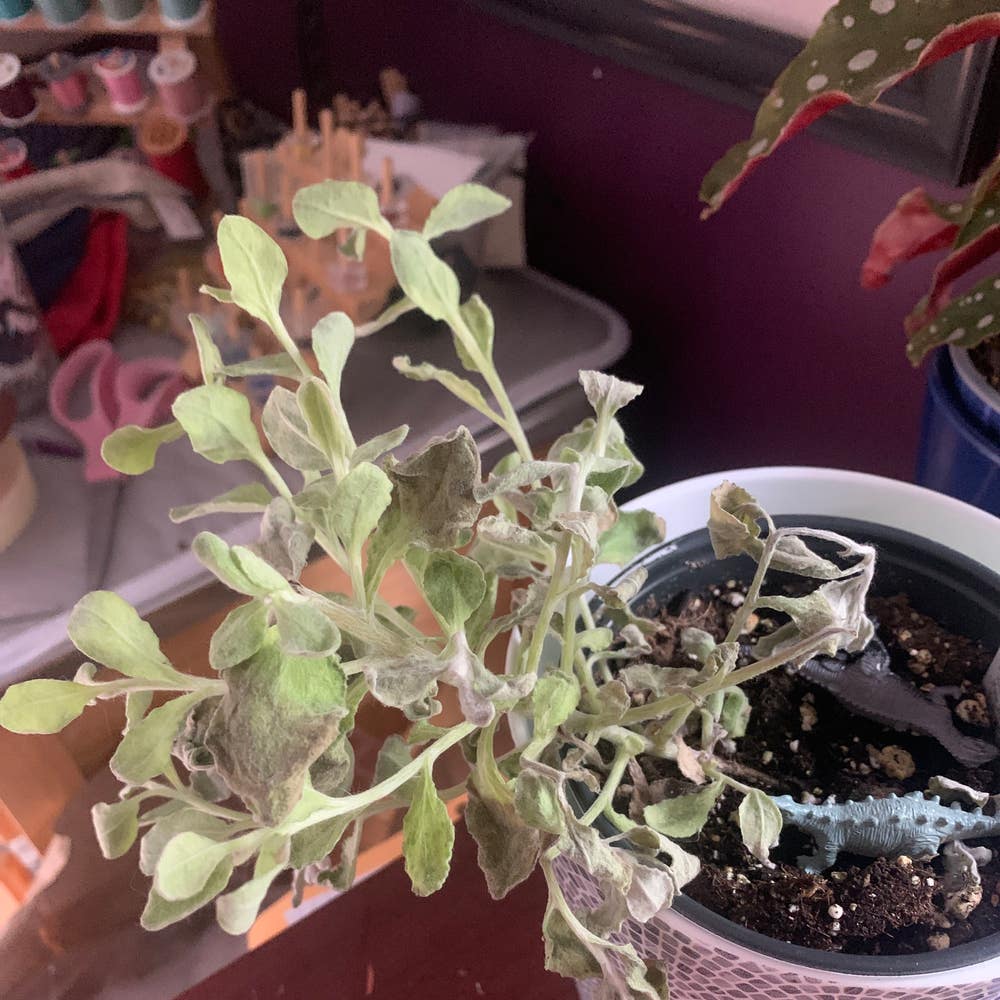
After treating root rot, keep an eye out for signs that your Everlasting Daisy is bouncing back. Look for new growth, such as fresh leaves or flowers, which indicates that the plant is regaining strength.
Improved leaf color is another positive sign. If the leaves transition from yellowing to a vibrant green, your plant is on the mend. Additionally, check the roots; healthy roots should feel firm and not mushy, signaling recovery.
Regular Care Practices to Maintain Root Health 🧑🌾
Routine inspections are crucial for maintaining root health. Regularly check both the roots and soil moisture to catch any issues early.
Fertilization plays a key role during the growing season. Use a balanced fertilizer to provide essential nutrients that support growth and vitality.
Lastly, make environmental adjustments to ensure your Everlasting Daisy thrives. Adequate sunlight and airflow around the plant are vital for its overall health and resilience.
Monitoring your plant's health and implementing these care practices will help prevent future root rot issues. With the right attention, your Everlasting Daisy can flourish beautifully!
Common Misconceptions
Myths About Root Rot 🌱
Many people believe that "all wilting plants have root rot." This isn't always the case; other issues, like drought stress, can lead to similar symptoms.
Another common myth is that "root rot only occurs in wet conditions." In reality, poor drainage can also cause root rot, even in seemingly dry environments.
Clarifying the Difference Between Root Rot and Other Issues 🔍
It's crucial to distinguish between root rot and pests. Signs of pests often include visible insects or webbing on the plant.
Additionally, yellowing leaves can indicate nutrient deficiencies, not just root rot. Understanding these differences can help you diagnose your Everlasting Daisy more accurately.
By debunking these myths, you can take more informed steps in caring for your plant. Next, let’s explore how to monitor your plant's health effectively.
⚠️ Safety First
This content is for general information and may contain errors, omissions, or outdated details. It is not medical, veterinary advice, or an endorsement of therapeutic claims.
Always consult a qualified healthcare professional before using any plant as food, medicine, or supplement.
Never eat any plant (or feed one to pets) without confirming its identity with at least two trusted sources.
If you suspect poisoning, call Poison Control (800) 222-1222, the Pet Poison Helpline (800) 213-6680, or your local emergency service immediately.
Spotted an error? Please report it here.
Revive your Everlasting Daisy from root rot with these simple steps 🌱, and let Greg guide you with tailored care reminders to keep your plant flourishing and healthy!