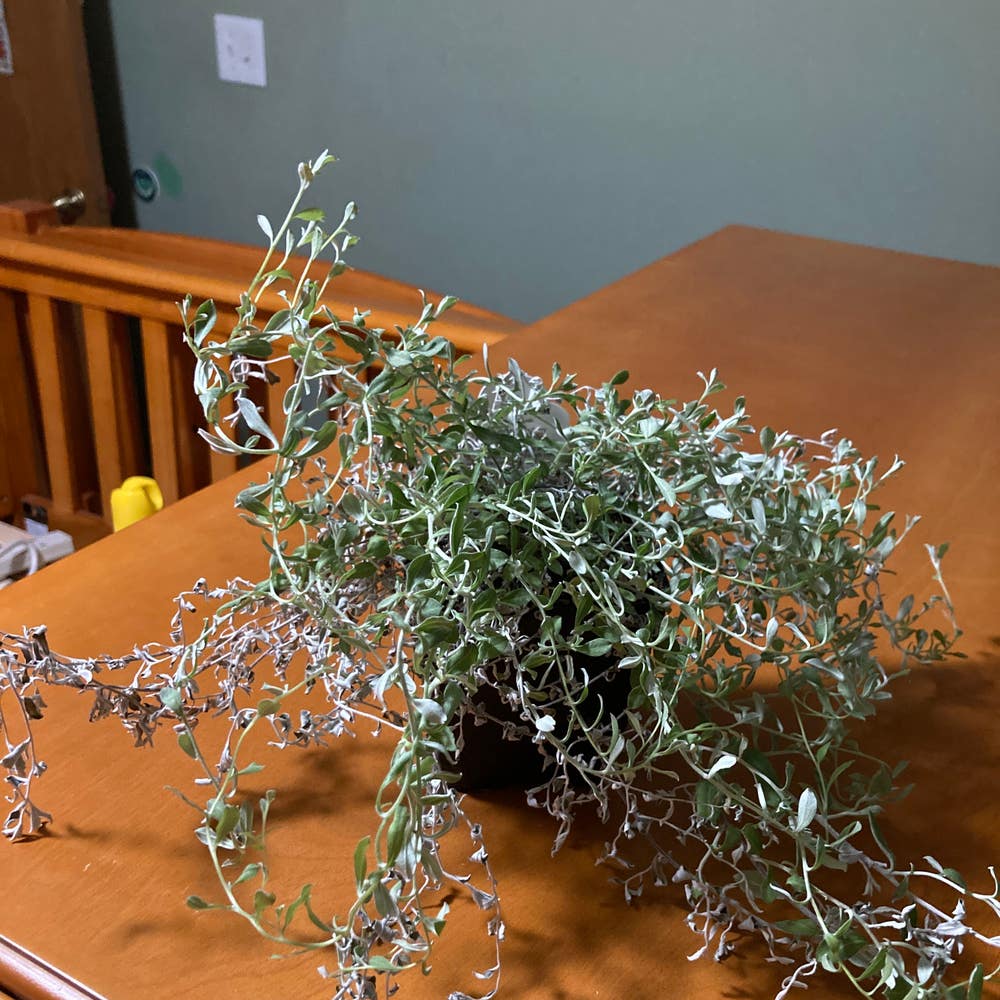
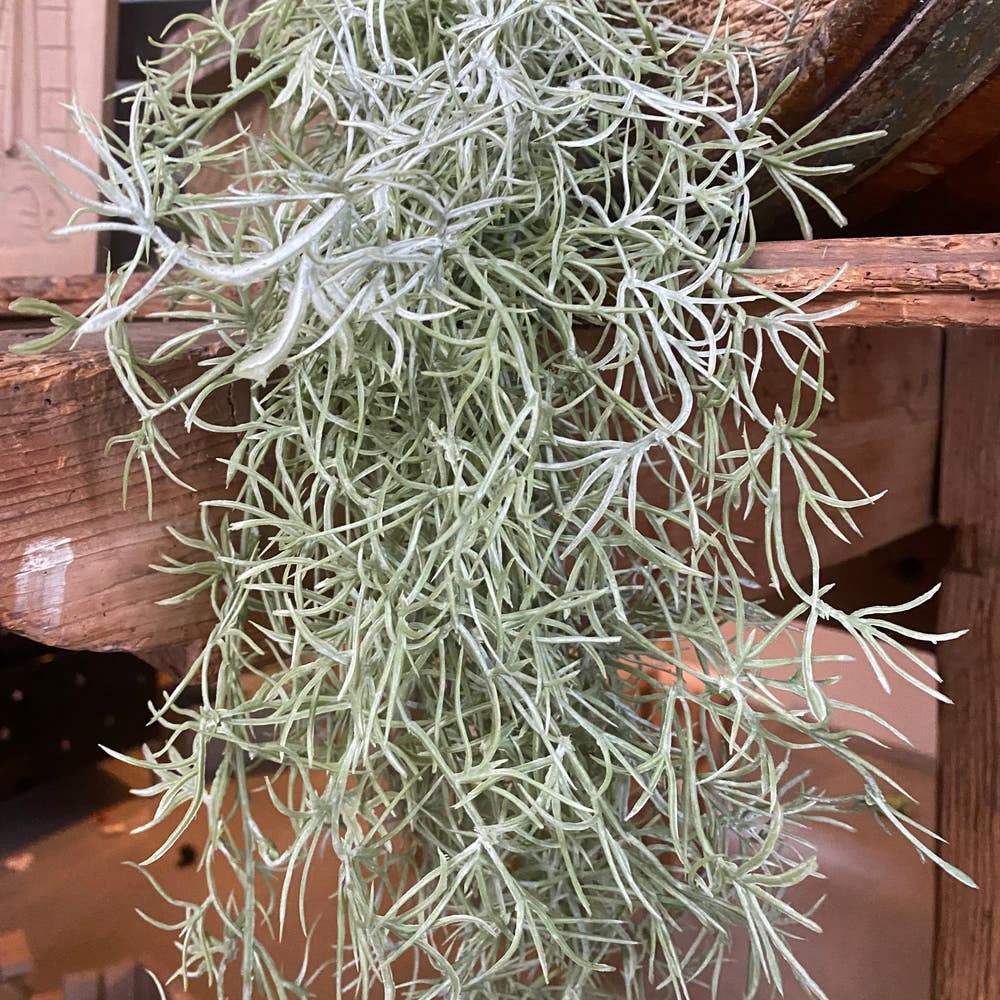
🌼 Top 3 Pot Options to Make Your Everlasting Daisy Thrive
Helichrysum retortoides
By the Greg Editorial Team
Oct 25, 2024•5 min read
This article was created with the help of AI so we can cover more plants for you. May contain errors. See one? Report it here.
Master pot selection and drainage 🌱 to ensure your Everlasting Daisies thrive with vibrant blooms and lush foliage!
- 🌱 Choose pot sizes wisely: 4-6 inches for seedlings, 12-14 inches for mature daisies.
- 💧 Ensure proper drainage: At least 3-5 holes prevent waterlogging and root rot.
- 🪴 Select suitable materials: Clay for breathability, plastic for moisture retention; balance is key.
Pot Selection for Everlasting Daisy
Pot Size for Different Growth Stages 🌱
Choosing the right pot size is crucial for your Everlasting Daisy's growth.
Seedlings
For seedlings, a container size of 4-6 inches in diameter is ideal. Smaller pots encourage root development, allowing the plant to establish a strong foundation.
Young Plants
As your plant matures, transition to an 8-10 inch pot. This size supports the growing roots and provides ample space for further development.
Mature Plants
Once your Everlasting Daisy reaches maturity, opt for a 12-14 inch pot. This size ensures enough room for root expansion and nutrient uptake, promoting overall health.
Adjusting the container size as the plant matures is essential to prevent root binding. A well-sized pot allows for optimal growth and flourishing blooms.
Ideal Pot Materials 🪴
The material of your pot can significantly impact your plant's health.
Clay Pots
Clay pots offer excellent breathability and moisture regulation. They add aesthetic appeal to outdoor gardens, making them a popular choice.
However, they can be heavier and may crack in extreme temperatures. Always ensure that your clay pots have proper drainage holes to avoid waterlogging.
Plastic Pots
Plastic pots are lightweight and easy to move, making them convenient for gardeners. They retain moisture longer than clay pots, which can be beneficial in dry conditions.
On the downside, plastic pots are less breathable, leading to potential overwatering issues. Opt for pots with adequate drainage holes to maintain a healthy environment for your Everlasting Daisy.
Impact of Pot Choice on Health and Growth 🌼
The choice of pot size and material directly affects your Everlasting Daisy's health.
A larger pot size promotes better root development and nutrient absorption. Conversely, a smaller pot can restrict growth and lead to stunted plants.
The material also plays a role in moisture retention and drainage. Selecting pots that mimic the Everlasting Daisy's native habitat conditions will enhance its growth and vitality.
With the right pot selection, your Everlasting Daisy will thrive, setting the stage for vibrant blooms and lush foliage.
Drainage Considerations
Importance of Drainage Holes 🌧️
Drainage holes are crucial for preventing waterlogging and root rot in your Everlasting Daisy. Aim for at least 3-5 drainage holes to ensure optimal water flow.
How Drainage Impacts Root Health 🌱
Healthy roots thrive on oxygen, and poor drainage can suffocate them. This lack of oxygen directly affects the overall vigor of your plant.
Signs of Poor Drainage 🚨
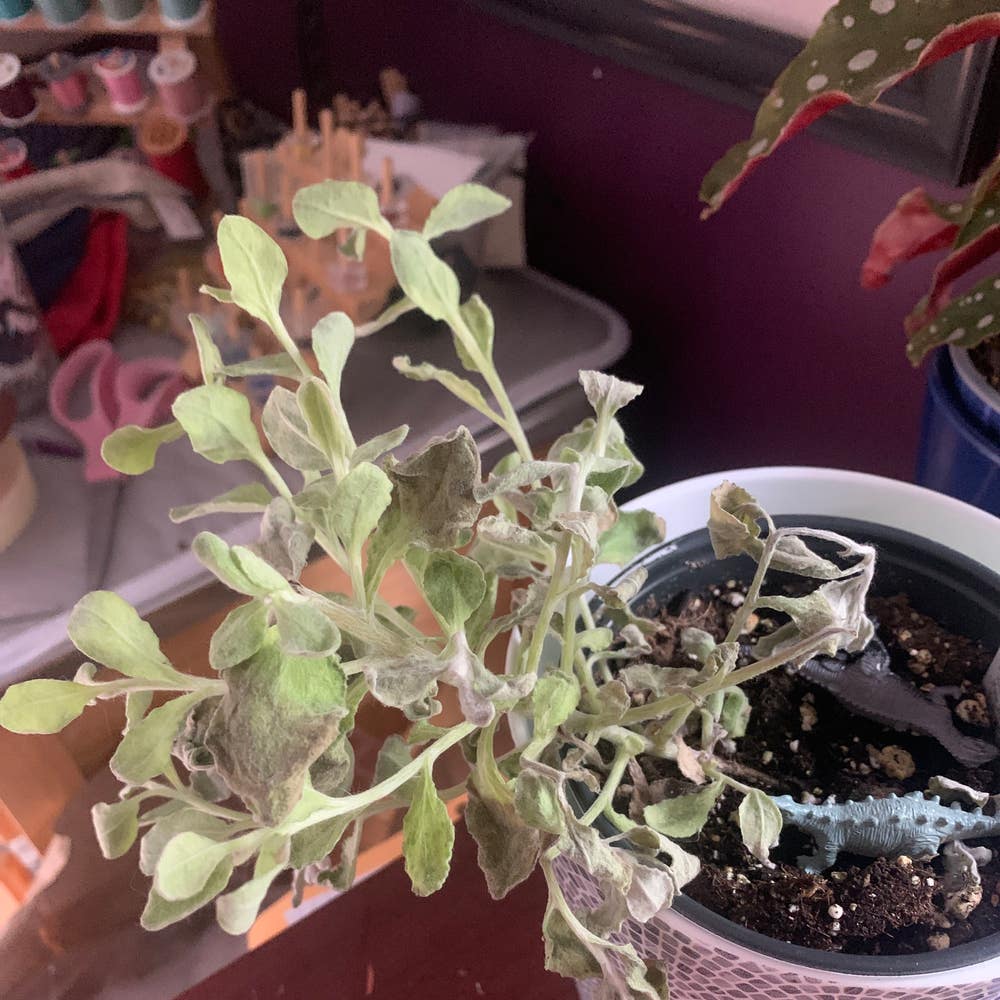
Watch for yellowing leaves and wilting, even when you've watered adequately. Mold or algae on the soil surface can also indicate drainage issues.
Additionally, root rot can manifest as mushy roots and a foul odor. If you notice these signs, it’s time to reassess your potting setup.
Understanding drainage is essential for keeping your Everlasting Daisy healthy and vibrant. With the right drainage considerations, you can ensure your plant thrives in its environment.
Next, let’s explore the process of repotting your Everlasting Daisy to keep it growing strong.
Repotting Everlasting Daisy
🕒 When to Repot
Repotting your Everlasting Daisy is essential for its health. Look for signs like roots growing out of drainage holes or stunted growth despite proper care.
Aim to repot every 1-2 years or whenever the plant outgrows its pot. This ensures it has enough space to thrive.
🪴 Choosing the Right Pot for Repotting
When selecting a new pot, choose one that is 1-2 inches larger in diameter than the current pot. This gives the roots room to expand without overwhelming the plant.
Consider the pot material based on where you’ll keep the plant. Indoor pots might differ from outdoor options due to varying environmental conditions.
📋 Step-by-Step Guide to Repotting
- Prepare the new pot with fresh potting soil suitable for Everlasting Daisy.
- Gently remove the plant from its current pot, taking care not to damage the roots.
- Inspect the roots for any signs of rot and trim if necessary.
- Place the plant in the new pot, ensuring it sits at the same depth as before.
- Fill in with potting soil, gently pressing down to eliminate air pockets.
- Water thoroughly to settle the soil and check drainage.
Following these steps will help your Everlasting Daisy flourish in its new home. With the right care, you’ll see it thrive beautifully!
Next, let’s explore common potting mistakes to avoid for optimal plant health.
Common Potting Mistakes
🌱 Choosing the Wrong Pot Material
Selecting the right pot material is crucial for your Everlasting Daisy's health. Non-breathable materials can trap moisture, leading to overwatering and root rot.
It's essential to choose materials that align with the plant's needs. Clay pots offer breathability, while plastic pots retain moisture longer. Understanding these differences can make a significant impact on your plant's growth.
🚰 Ignoring Drainage Needs
Drainage is a game-changer for plant health. Insufficient drainage holes can cause water to accumulate, resulting in soggy soil and root rot.
Before planting, always check for adequate drainage. Ideally, your pot should have at least 3-5 holes to ensure excess water can escape.
⚖️ Overpotting vs. Underpotting
Finding the right pot size is a balancing act. Overpotting can lead to excess soil moisture, creating a breeding ground for root rot.
On the flip side, underpotting restricts root growth and limits nutrient uptake. Aim for a pot that allows your Everlasting Daisy to thrive without compromising its health.
By avoiding these common potting mistakes, you'll set your Everlasting Daisy up for success. Next, let’s explore the importance of drainage considerations to further enhance your plant care strategy.
⚠️ Safety First
This content is for general information and may contain errors, omissions, or outdated details. It is not medical, veterinary advice, or an endorsement of therapeutic claims.
Always consult a qualified healthcare professional before using any plant as food, medicine, or supplement.
Never eat any plant (or feed one to pets) without confirming its identity with at least two trusted sources.
If you suspect poisoning, call Poison Control (800) 222-1222, the Pet Poison Helpline (800) 213-6680, or your local emergency service immediately.
Spotted an error? Please report it here.
Ensure your Everlasting Daisy flourishes with the perfect pot choice 🌱 and let Greg guide you with tailored reminders and expert tips for thriving blooms!