🌼 3 Essential Outdoor Everlasting Daisy Care Routines
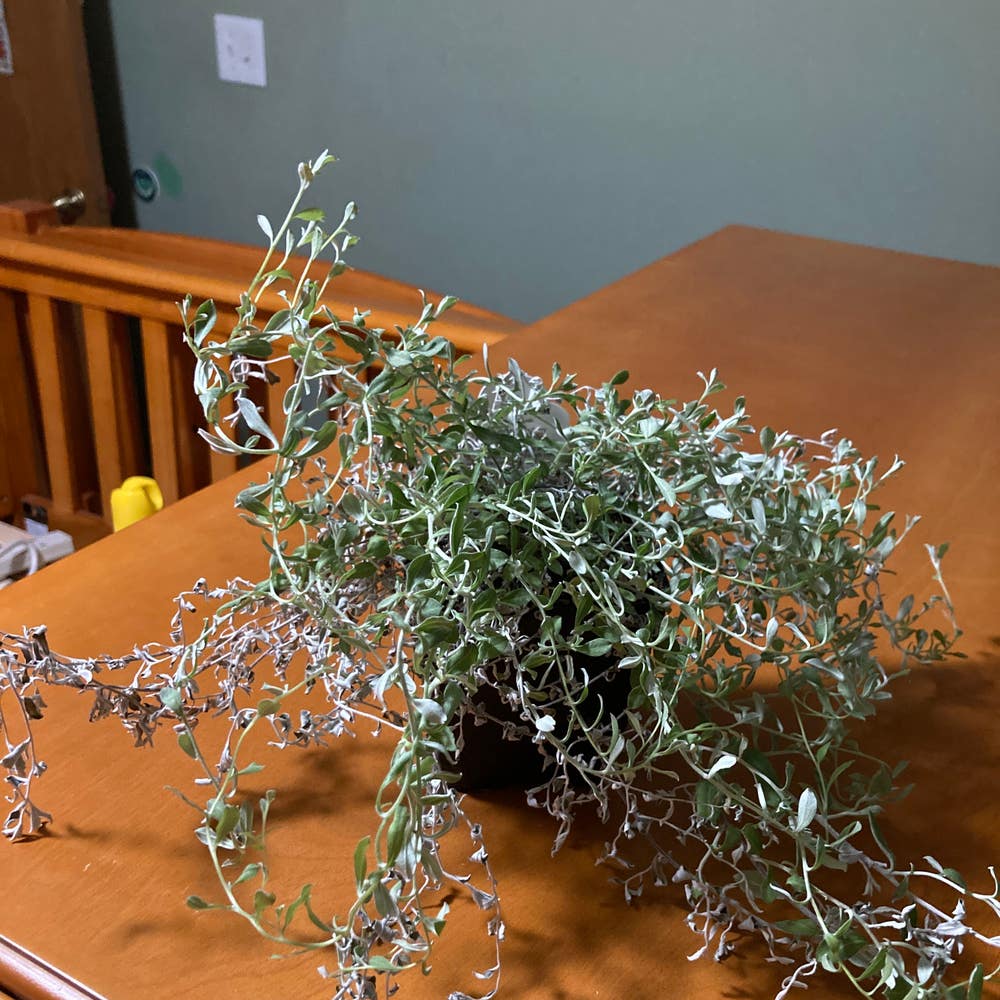
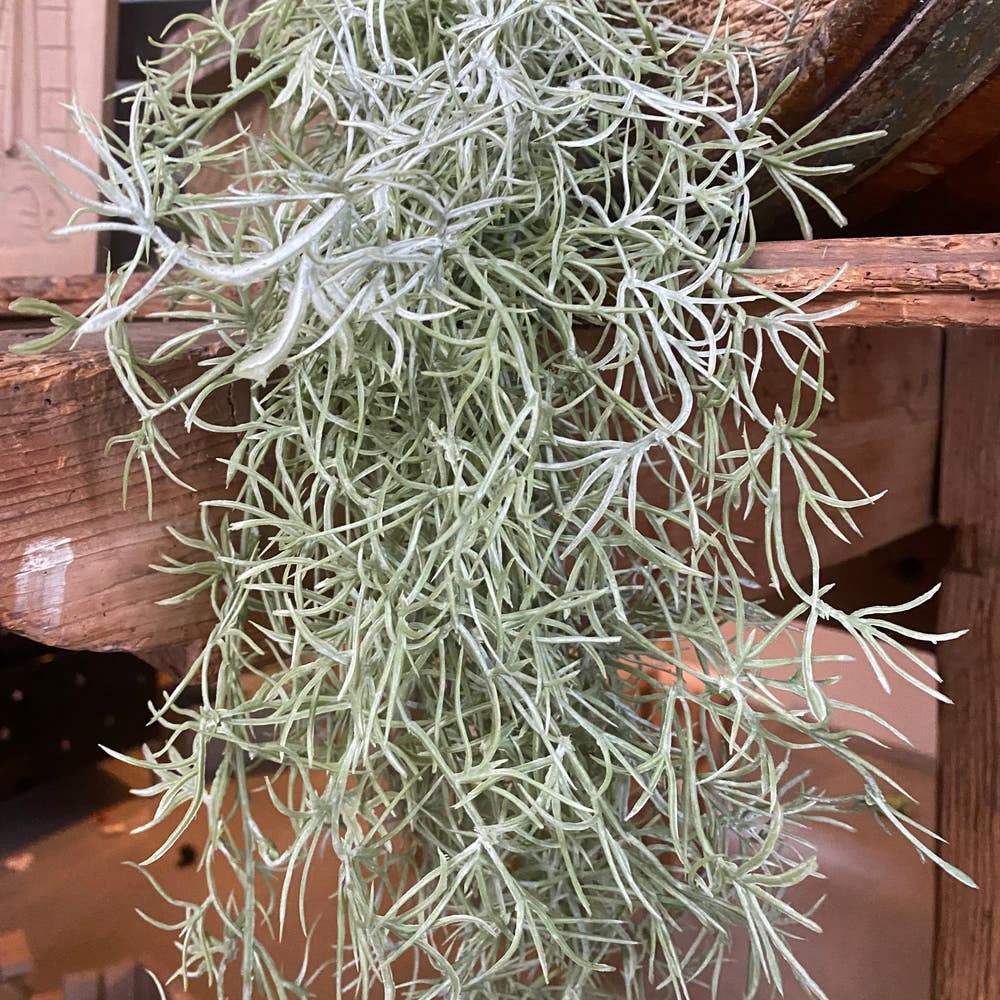
Helichrysum retortoides
By the Greg Editorial Team
Oct 25, 2024•5 min read
This article was created with the help of AI so we can cover more plants for you. May contain errors. See one? Report it here.
Cultivate stunning everlasting daisies 🌼 with essential tips on sunlight, watering, and seasonal care!
- 🌞 Everlasting daisies need 6-8 hours of sunlight for optimal growth and flowering.
- 💧 Water every 1-2 weeks, allowing soil to dry for deep root development.
- 🌱 Regularly check for pests and maintain good air circulation to prevent diseases.
Sunlight Requirements
Ideal Sunlight Exposure 🌞
Outdoor everlasting daisies thrive best in full sun, requiring 6-8 hours of direct sunlight daily. This ample sunlight is crucial for vibrant flower production and the overall health of the plant.
Effects of Insufficient Sunlight 🌑
When these daisies don’t get enough sunlight, they can experience stunted growth and reduced flowering. Additionally, insufficient light makes them more vulnerable to pests and diseases, which can hinder their beauty and longevity.
Understanding these sunlight requirements is essential for ensuring your everlasting daisies flourish. With the right care, you can enjoy a stunning display of flowers throughout the growing season.
Next, let’s explore the watering needs that will keep your daisies hydrated and healthy.
Watering Needs
General Watering Guidelines 🌊
Water your everlasting daisies once every 1-2 weeks, ensuring the soil dries out between waterings. This practice not only prevents waterlogging but also encourages deep root development, which is crucial for a healthy plant.
Signs of Overwatering and Underwatering 🚨
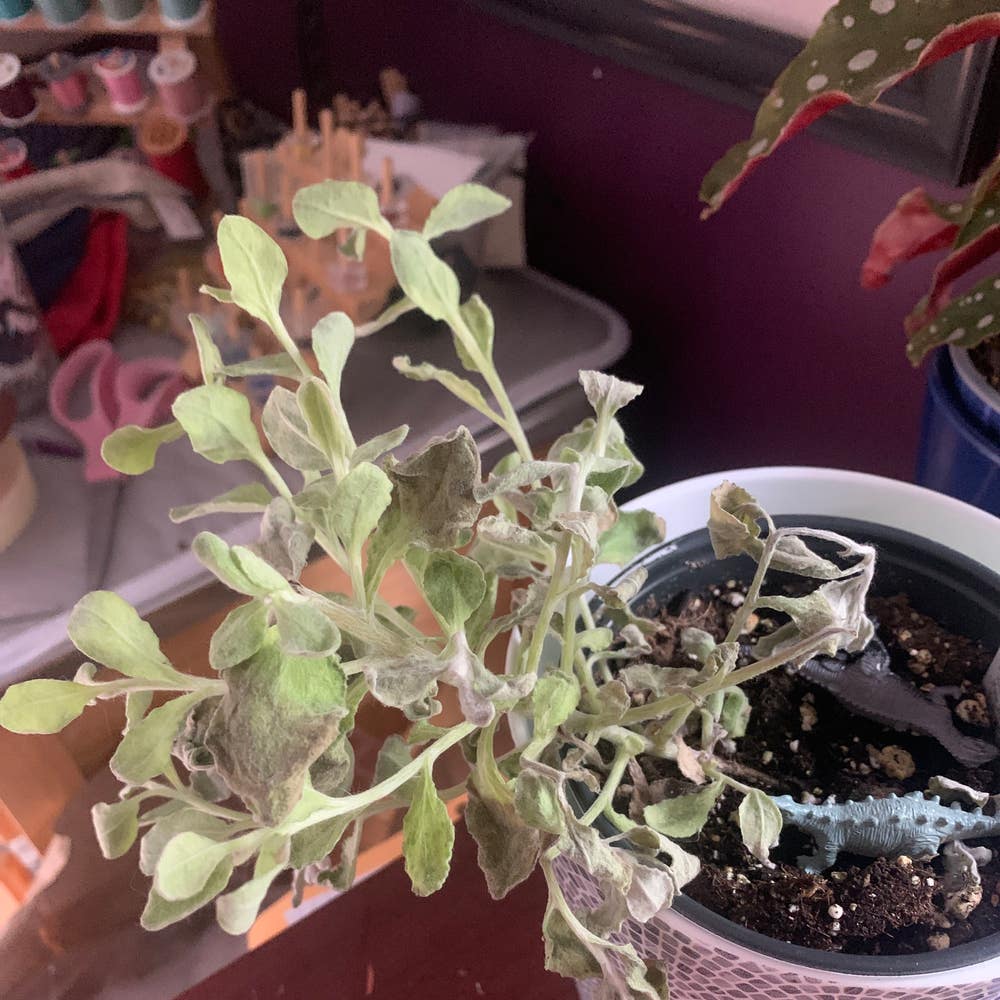
Keep an eye out for yellowing leaves, which can indicate overwatering and potential root rot. Conversely, if you notice wilting or dry leaves, your daisies may be underwatered, leading to stunted growth.
Understanding these watering needs is essential for maintaining vibrant, flourishing daisies. With the right care, your garden can thrive beautifully, setting the stage for the next section on soil preferences and fertilization.
Soil Preferences and Fertilization
Ideal Soil Composition 🌱
For your everlasting daisies to thrive, they need well-drained, sandy, or loamy soil. This type of soil allows for proper drainage, which is crucial for healthy root development.
The ideal soil pH for these flowers ranges from slightly acidic to neutral, specifically between 6.0 and 7.0. Testing your soil can help ensure it meets these conditions, promoting vibrant blooms.
Fertilization Tips 🌼
Fertilizing your daisies is essential, but timing is key. Apply a balanced fertilizer, such as NPK 10-10-10, once in early spring to give your plants a nutrient boost as they begin to grow.
Be cautious not to over-fertilize. Excessive nutrients can lead to lush foliage but fewer flowers, which defeats the purpose of growing these beautiful blooms.
With the right soil and fertilization practices, your everlasting daisies will flourish. Next, let’s explore the best planting options and how to protect your flowers from unpredictable weather.
Planting Options and Weather Protection
🌱 Container Gardening vs. Ground Planting
When it comes to planting your everlasting daisies, you have two main options: container gardening or ground planting.
Container Gardening offers flexibility in placement and mobility. You can easily move pots to catch the best sunlight or protect them from harsh weather. However, this method limits root space, which can affect growth.
Ground Planting, on the other hand, provides better moisture retention and allows for deeper root development. Yet, it gives you less control over soil quality, which can be a concern if your garden soil isn't ideal.
☔ Weather Protection
Weather can be unpredictable, so protecting your daisies is crucial.
During peak afternoon sun, providing shade can prevent leaf scorch and promote healthy growth. Simple solutions like shade cloth or strategically placed garden structures can work wonders.
In colder months, covering your plants with frost cloth or burlap can shield them from freezing temperatures. This extra layer helps maintain warmth and moisture, ensuring your daisies thrive even in chilly conditions.
By considering your planting options and implementing effective weather protection, you set the stage for vibrant, resilient everlasting daisies.
Next, let’s dive into pest and disease management to keep your flowers healthy and flourishing.
Pest and Disease Management
🐜 Common Outdoor Pests
Aphids are small, soft-bodied insects that can wreak havoc on your everlasting daisies. Look for curled leaves and sticky residue, which indicate an infestation. Control methods include spraying with insecticidal soap or introducing natural predators like ladybugs.
Spider mites are another common nuisance. These tiny pests create fine webbing on the undersides of leaves. To treat them, increase humidity around the plants and use miticides if necessary.
🛡️ Preventative Measures
Regular inspections are crucial for catching pests early. Check the undersides of leaves and new growth for any signs of trouble.
Encouraging beneficial insects can also help keep pests at bay. Ladybugs and lacewings are excellent allies in your garden, as they feed on aphids and other harmful insects.
💊 Treatment Options for Diseases
Powdery mildew is a frequent issue for daisies, appearing as a white, powdery coating on leaves. To combat it, ensure proper air circulation and apply organic fungicides as needed.
Root rot is another concern, often caused by overwatering. To prevent this, practice proper watering techniques and ensure your soil drains well.
With these pest and disease management strategies, your everlasting daisies will thrive, bringing vibrant color to your garden. Next, let’s explore seasonal care routines to keep your plants healthy year-round.
Seasonal Care and Climate Zone Considerations
🌱 Seasonal Care Routines
Caring for your everlasting daisies involves specific tasks throughout the year.
Spring is the time for rejuvenation. Prune any dead or damaged stems and apply fertilizer to kickstart growth.
As summer rolls in, focus on regular watering and keep an eye out for pests. Deadheading spent flowers encourages more blooms.
In fall, it’s time to cut back the foliage and add mulch for winter protection. This helps insulate the roots against cold temperatures.
During winter, especially in colder climates, protect your plants. Monitor for diseases that may arise during dormancy.
🌍 Climate Zone Considerations
Everlasting daisies thrive in USDA zones 9-11, but they can adapt to various climates.
Understanding your local conditions is crucial. Adjust your care routines based on seasonal changes and specific climate challenges.
By tailoring your approach, you can ensure your daisies remain vibrant and healthy year-round. This adaptability is key to enjoying their beauty in any garden setting.
With the right seasonal care and climate considerations, your everlasting daisies will flourish beautifully. Next, let’s dive into pest and disease management to keep your plants in top shape.
⚠️ Safety First
This content is for general information and may contain errors, omissions, or outdated details. It is not medical, veterinary advice, or an endorsement of therapeutic claims.
Always consult a qualified healthcare professional before using any plant as food, medicine, or supplement.
Never eat any plant (or feed one to pets) without confirming its identity with at least two trusted sources.
If you suspect poisoning, call Poison Control (800) 222-1222, the Pet Poison Helpline (800) 213-6680, or your local emergency service immediately.
Spotted an error? Please report it here.
Keep your everlasting daisies blooming beautifully 🌼 by using Greg's tailored watering reminders and sunlight tracking to ensure they thrive all season long!