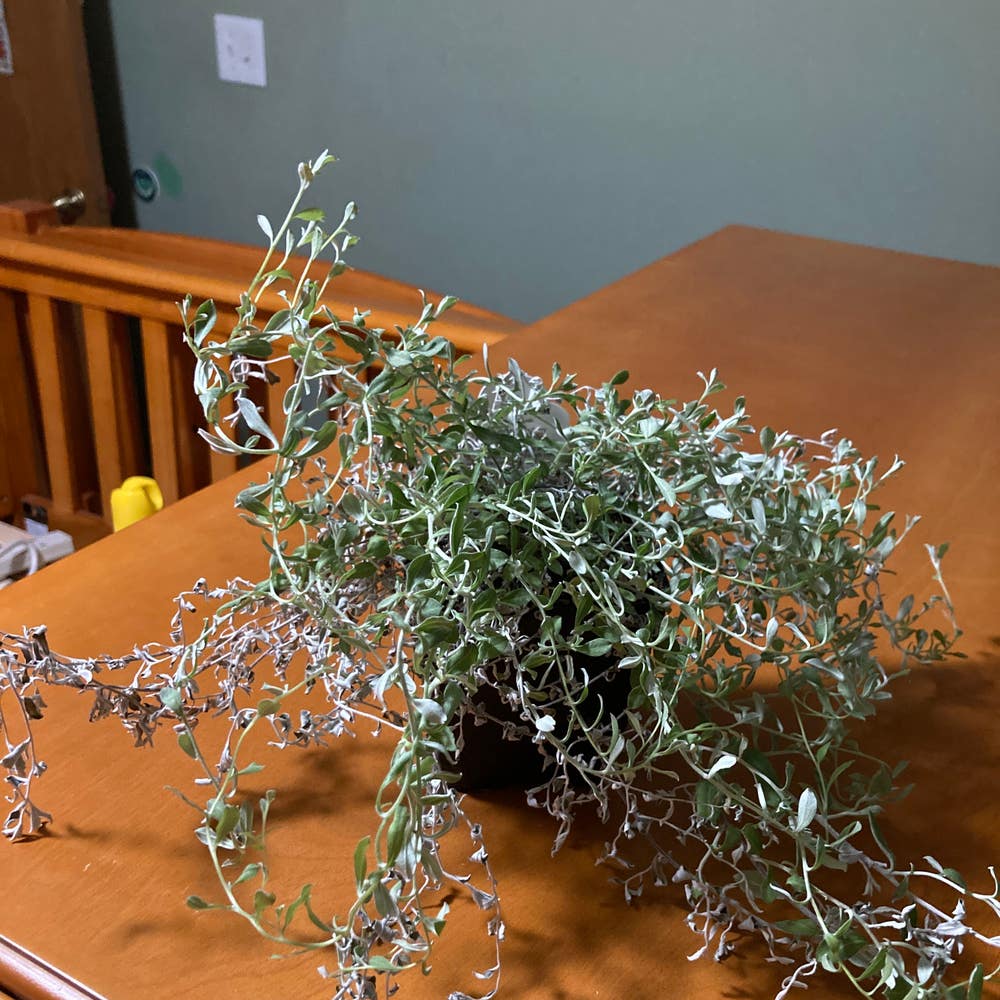
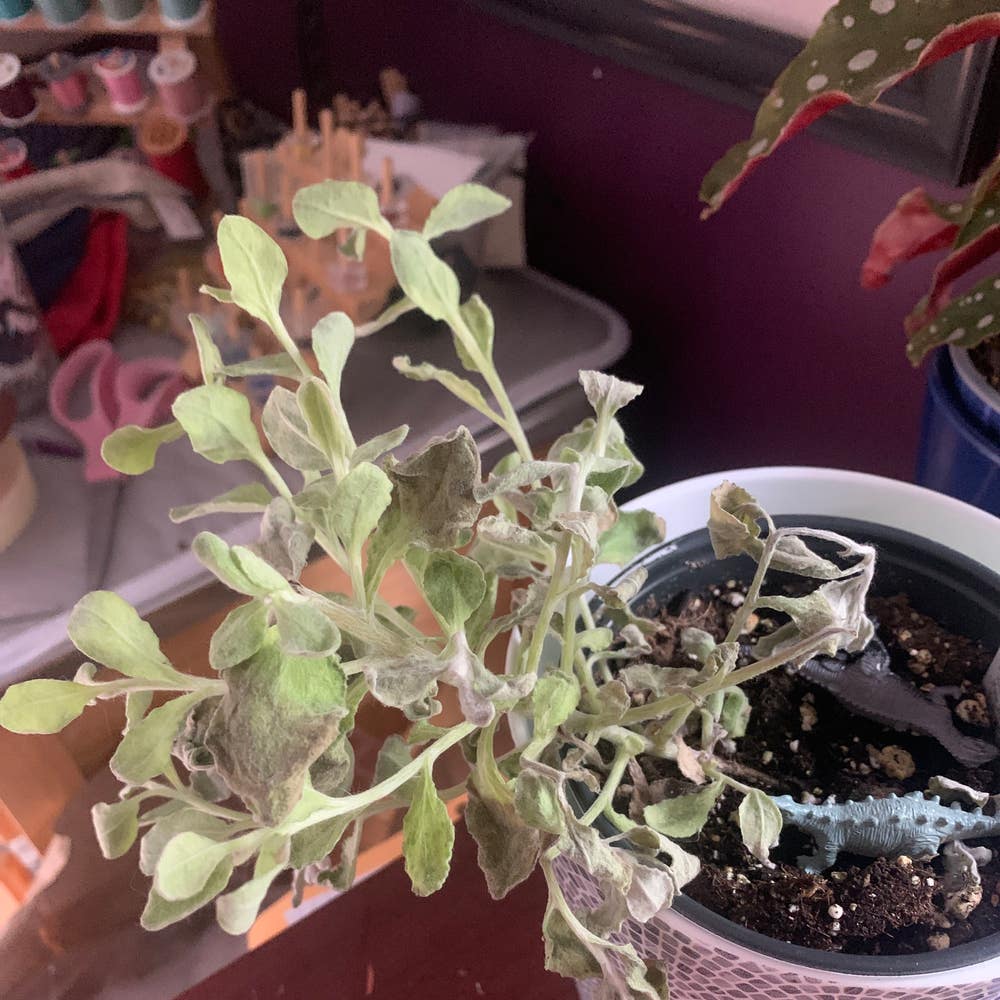
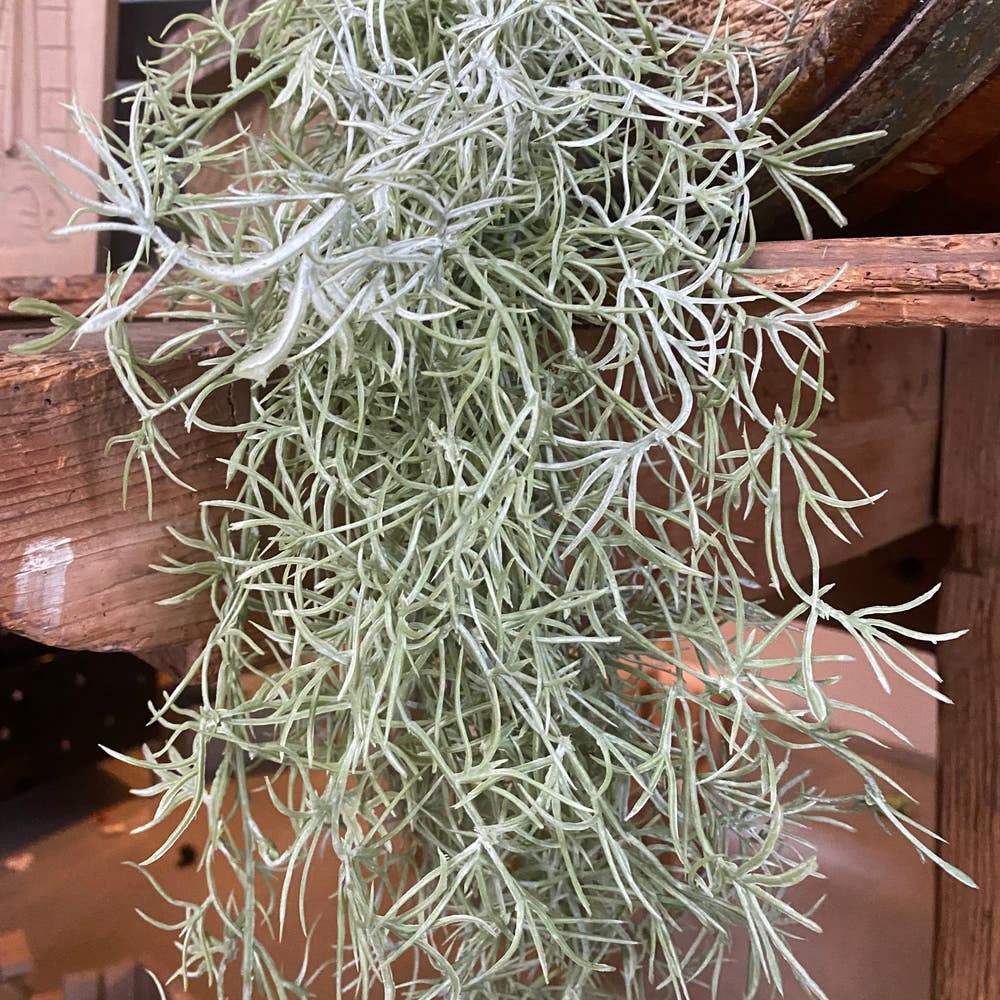
🌻 How to Fix Dropping Leaves on Your Everlasting Daisy
Helichrysum retortoides
By the Greg Editorial Team
Oct 25, 2024•5 min read
This article was created with the help of AI so we can cover more plants for you. May contain errors. See one? Report it here.
Transform your Everlasting Daisy's health by mastering leaf drop prevention and care! 🌱✨
- 🌱 Diagnose leaf drop: Overwatering causes yellow leaves; underwatering leads to crispy ones.
- 🐛 Inspect for pests regularly to prevent damage and stunted growth in your Daisy.
- 🌞 Provide optimal light: Everlasting Daisies thrive in 6-8 hours of full sun daily.
Diagnosing Leaf Drop
🌊 Identifying Symptoms of Overwatering vs. Underwatering
Understanding the difference between overwatering and underwatering is crucial for your Everlasting Daisy's health.
- Overwatering often presents as soft, yellow leaves and can lead to root rot.
- In contrast, underwatering results in dry, crispy leaves and a drooping appearance.
🐛 Recognizing Pest Damage
Pests can wreak havoc on your plant, so it's essential to spot the signs early.
Look for visual indicators like discoloration, webbing, and leaf distortion. These symptoms can lead to stunted growth and increased leaf drop if not addressed promptly.
🥦 Signs of Nutrient Deficiencies
Nutrient deficiencies can also contribute to leaf drop, so keep an eye out for these common issues.
- Nitrogen, potassium, and magnesium are the usual suspects.
- Symptoms include yellowing leaves, poor growth, and, of course, leaf drop.
🌡️ Assessing Environmental Conditions
Your Everlasting Daisy thrives in specific environmental conditions, so make sure to assess these factors.
- It requires full sun for 6-8 hours a day; too much shade can hinder its growth.
- The ideal temperature range is between 20°C to 30°C (68°F to 86°F), so avoid extreme fluctuations.
By diagnosing these issues early, you can take the necessary steps to restore your plant's health. Next, let’s explore how to prevent leaf drop effectively.
Preventing Leaf Drop
🌊 Best Watering Practices for Everlasting Daisy
To keep your Everlasting Daisy thriving, it's crucial to master your watering routine. Allow the soil to dry out between waterings to prevent overwatering, which can lead to root rot.
Deep watering is a game-changer. This technique encourages strong root growth, ensuring your plant can access moisture effectively.
🏺 Soil Selection and Amendments for Optimal Drainage
Choosing the right soil is essential for your Everlasting Daisy's health. Sandy loam or cactus mix are excellent options that promote drainage.
Consider adding perlite or sand to your soil mix. These amendments improve drainage, helping to prevent waterlogged roots.
🐞 Pest Management Strategies
Regular inspections are key to maintaining plant health. Check your Everlasting Daisy weekly for any signs of pests.
If you spot any trouble, organic control methods like neem oil or insecticidal soap can effectively manage infestations without harming your plant.
🌱 Nutrient Supplementation and Fertilization Tips
A consistent fertilization schedule can make a significant difference. Aim to fertilize monthly during the growing season for optimal growth.
Balanced NPK or slow-release fertilizers are recommended. These options provide essential nutrients without overwhelming your plant.
🌡️ Creating a Stable Environment
Temperature control is vital for your Everlasting Daisy. Avoid extreme fluctuations that can stress the plant.
Humidity management is equally important. Using humidity trays or misting can help create a more stable environment, promoting overall health.
By implementing these preventive measures, you can significantly reduce the chances of leaf drop in your Everlasting Daisy. Next, let’s explore how to treat leaf drop effectively when it occurs.
Treating Leaf Drop
Step-by-Step Guide to Adjusting Watering Habits 🌊
Assess Current Watering Schedule: Start by evaluating how often you water your Everlasting Daisy. This will help you identify if you're over or under-watering.
Adjust Frequency Based on Soil Moisture: Check the soil moisture level. If it's consistently wet, reduce watering; if it's dry, increase it.
Monitor Plant Response Over the Next Few Weeks: Keep an eye on your plant's health. Look for signs of improvement or further distress.
How to Improve Soil Drainage 💧
Test Soil Drainage: Perform a percolation test by digging a small hole and filling it with water. Observe how quickly it drains.
Amend Soil with Perlite or Sand if Necessary: If drainage is slow, mix in perlite or sand to enhance aeration and water flow.
Repot if Drainage Issues Persist: If problems continue, consider repotting your plant in a container with better drainage.
Methods for Treating Pests and Diseases 🐛
Pest Control: Regularly inspect your plant for pests. If you find any, apply neem oil or insecticidal soap to eliminate them.
Fungal Treatment: For severe fungal infections, use fungicides as directed. This will help restore your plant's health.
Nutrient Correction Techniques 🌱
Soil Testing: Conduct a soil test to determine nutrient levels. This will guide your fertilization efforts.
Apply Appropriate Fertilizers Based on Deficiencies: Once you identify deficiencies, choose fertilizers that address those specific needs.
Environmental Adjustments for Better Plant Health 🌍
Adjust Light Exposure: If your plant isn't thriving, consider moving it to a sunnier spot. It needs 6-8 hours of sunlight daily.
Control Temperature: Use shade cloths during hot spells or heaters during cold snaps to maintain a stable environment.
By following these steps, you can effectively treat leaf drop in your Everlasting Daisy. With the right care, your plant will bounce back and thrive! Next, let’s explore seasonal considerations to keep your plant healthy year-round.
Seasonal Considerations
🌧️ Seasonal Watering Adjustments
As the seasons change, so should your watering habits. In spring and summer, increase watering frequency to keep your Everlasting Daisy thriving.
In contrast, during fall and winter, reduce watering as the plant's growth slows down. This helps prevent overwatering and encourages healthy root development.
❄️ Preparing for Temperature Changes
Temperature fluctuations can stress your plant, so it's essential to prepare accordingly. Protect your Everlasting Daisy from frost by using row covers or bringing it indoors when temperatures drop.
During extreme heat, provide shade to prevent sunburn and dehydration. A little preparation goes a long way in keeping your plant healthy.
☀️ Light Requirements Throughout the Year
Light is crucial for your Everlasting Daisy's growth. Adjust light exposure by rotating your plants to ensure even growth and prevent leggy stems.
Monitor light levels to guarantee your plant receives 6-8 hours of sunlight daily. This consistent light exposure is vital for vibrant blooms and overall health.
With these seasonal considerations in mind, you can create a nurturing environment for your Everlasting Daisy. Next, let’s explore how to treat leaf drop effectively.
⚠️ Safety First
This content is for general information and may contain errors, omissions, or outdated details. It is not medical, veterinary advice, or an endorsement of therapeutic claims.
Always consult a qualified healthcare professional before using any plant as food, medicine, or supplement.
Never eat any plant (or feed one to pets) without confirming its identity with at least two trusted sources.
If you suspect poisoning, call Poison Control (800) 222-1222, the Pet Poison Helpline (800) 213-6680, or your local emergency service immediately.
Spotted an error? Please report it here.
Keep your Everlasting Daisy thriving year-round 🌼 by using Greg's personalized care tips and watering reminders to tackle leaf drop and ensure vibrant growth!