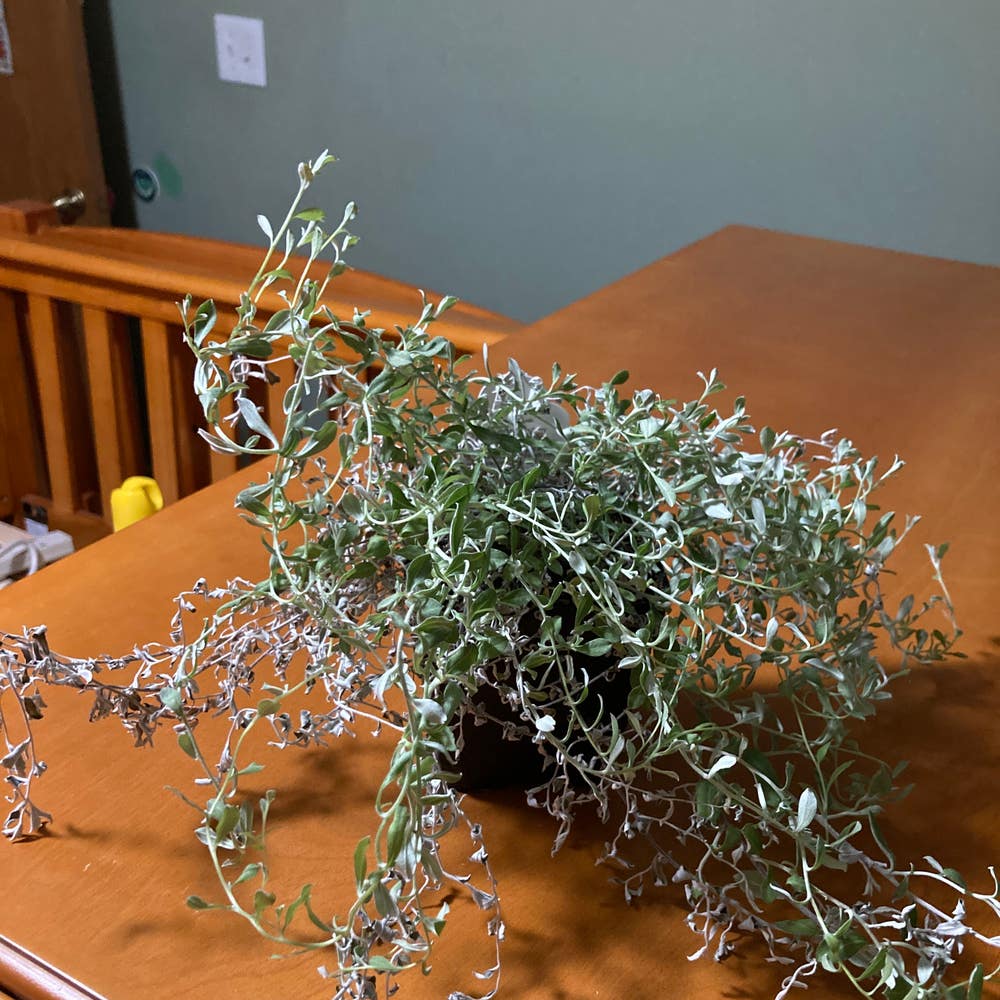
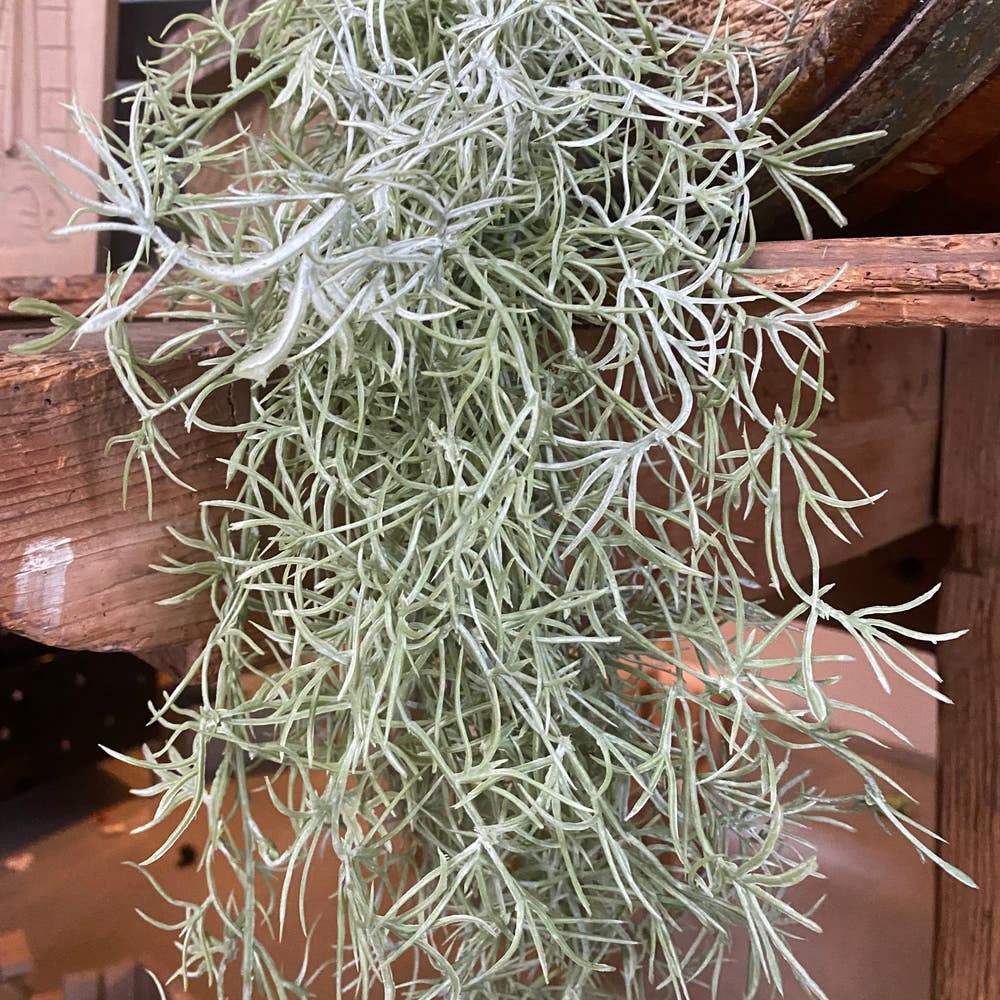
🌻 Ultimate Guide to Fixing Brown Spots on Everlasting Daisy
Helichrysum retortoides
By the Greg Editorial Team
Oct 25, 2024•5 min read
This article was created with the help of AI so we can cover more plants for you. May contain errors. See one? Report it here.
Revive your Everlasting Daisy 🌼 by tackling those stubborn brown spots with expert insights and care tips!
- 🌱 Brown spots on Everlasting Daisy stem from fungi, pests, or nutrient issues.
- 💧 Overwatering causes root rot; ensure proper drainage for healthy roots.
- 🔍 Regular inspections help catch problems early, preventing severe damage.
Causes of Brown Spots
🦠 Fungal Infections
Fungal infections are a primary culprit behind brown spots on Everlasting Daisy. Common diseases include leaf spot diseases, which manifest as dark, irregular patches on leaves.
These fungi thrive in conditions with high humidity and poor air circulation. Ensuring good airflow around your plants can significantly reduce the risk of these infections.
💧 Overwatering and Root Rot
Overwatering can lead to serious issues, including root rot. Symptoms include yellowing leaves, wilting, and mushy roots, indicating that your plant is struggling.
Proper soil drainage is crucial for Everlasting Daisies. Aim for well-draining, sandy loam to keep your plants healthy and thriving.
🥦 Nutrient Deficiencies
Nutrient deficiencies can also cause brown spots. A common issue is nitrogen deficiency, which leads to stunted growth and pale leaves.
Magnesium deficiency is another concern, often identified by yellowing between leaf veins. Addressing these deficiencies promptly can restore your plant's vigor.
☀️ Sunburn and Environmental Stress
Sunburn can manifest as bleached or crispy leaf edges. This damage occurs when plants are exposed to excessive sunlight without adequate protection.
Environmental stressors, such as sudden temperature changes and wind exposure, can exacerbate these issues. Monitoring your plant's environment is essential for its health.
🐜 Pest Infestations
Pests like aphids and spider mites can wreak havoc on Everlasting Daisies. Aphids often leave behind sticky residue and distorted leaves, signaling an infestation.
Spider mites, on the other hand, can cause fine webbing and speckled leaves. Regular inspections can help you catch these pests early and protect your plants.
Understanding these causes is the first step in addressing brown spots effectively. Next, we’ll explore how to diagnose the specific issues affecting your Everlasting Daisy.
Diagnosing the Problem
Identifying Symptoms of Brown Spots 🌿
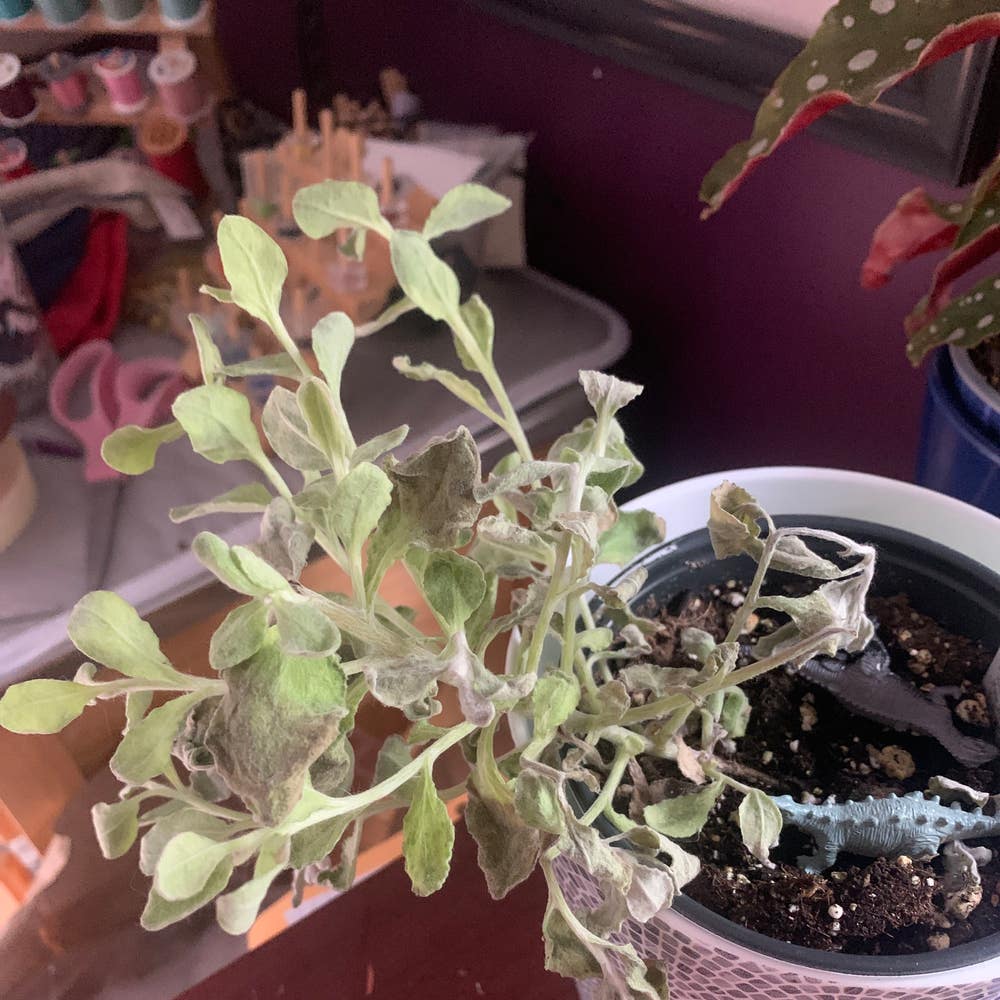
Brown spots on your Everlasting Daisy can vary significantly in size, shape, and color. These visual characteristics are crucial for diagnosing the underlying issue.
Look for other symptoms like wilting, leaf drop, or stunted growth. These signs often accompany brown spots and can help pinpoint the problem.
Differentiating Between Causes 🔍
Understanding the cause of brown spots is essential for effective treatment. Key indicators can help you differentiate between various issues.
For instance, fungal damage typically presents as irregular spots, while pest damage may show signs of webbing or tiny insects. Overwatering often leads to yellowing leaves, whereas nutrient deficiencies can cause discoloration and poor growth.
Assessing Plant Health and Environment 🌱
Evaluating the overall health of your plant is vital. Check the leaf color, growth patterns, and root health to gauge its vigor.
Consider environmental factors as well. Sunlight exposure, humidity levels, and soil conditions all play a significant role in your plant's well-being. By assessing these elements, you can better understand the root cause of the brown spots and take appropriate action.
This thorough diagnosis sets the stage for effective treatment strategies, ensuring your Everlasting Daisy thrives once again.
Treating Brown Spots
🦠 Step-by-Step Treatment for Fungal Infections
Fungal infections can wreak havoc on your Everlasting Daisy. Start by identifying the type of fungal infection affecting your plant.
Once identified, remove any affected leaves carefully. This prevents the spread of the infection to healthy parts of the plant.
Next, apply recommended fungicides. Choose the right type and follow the application methods for best results.
Finally, improve air circulation around your plant. This simple step can significantly reduce the chances of future fungal issues.
💧 Adjusting Watering Practices
Assess your current watering schedule. Pay attention to both the frequency and amount of water you provide.
Implement proper watering techniques by watering deeply but infrequently. This encourages strong root development and helps prevent overwatering.
🌱 Nutrient Supplementation Methods
Identifying nutrient deficiencies is crucial for your plant's health. Consider using soil testing kits to determine what your Everlasting Daisy might be lacking.
Once you know the deficiencies, choose recommended fertilizers. Balanced NPK fertilizers are ideal, and be sure to follow the suggested application rates for optimal growth.
🐛 Pest Control Strategies
Identifying pests and their damage is essential for effective treatment. Look for signs like wilting leaves or visible insects.
For pest control, consider using products specifically designed for Everlasting Daisy. Weigh the pros and cons of organic versus chemical options to find what works best for you.
By following these treatment strategies, you can restore your Everlasting Daisy's health and beauty. Next, let’s explore how to prevent future issues and keep your plants thriving.
Preventing Future Issues
Best Practices for Care 🌱
Regular maintenance is key to keeping your Everlasting Daisy healthy. Pruning and deadheading not only enhance appearance but also promote new growth.
Monitoring plant health should be a routine task. Look for any signs of distress, such as discoloration or wilting, to catch issues early.
Soil and Drainage Recommendations 💧
Soil composition plays a crucial role in plant health. Everlasting Daisies thrive in well-draining, sandy loam that allows roots to breathe.
To improve drainage, consider using raised beds or adding organic amendments. This helps prevent waterlogging, which can lead to root rot.
Seasonal Care Tips to Avoid Stress ☀️
Adjusting care based on seasonal changes is essential. During hotter months, increase watering frequency while ensuring the soil dries out between sessions.
In cooler seasons, reduce fertilization and watering to match the plant's lower growth rate. This helps avoid stress and promotes a healthy dormancy.
Monitoring for Pests and Diseases 🐛
Regular inspections are vital for early detection of pests and diseases. Check the undersides of leaves and around the base for any unusual signs.
Prompt action can save your plants from severe damage. If you notice any issues, address them immediately to maintain a thriving garden.
By implementing these preventive measures, you can enjoy a vibrant display of Everlasting Daisies while minimizing the risk of brown spots. Next, let’s dive into diagnosing the specific problems affecting your plants.
⚠️ Safety First
This content is for general information and may contain errors, omissions, or outdated details. It is not medical, veterinary advice, or an endorsement of therapeutic claims.
Always consult a qualified healthcare professional before using any plant as food, medicine, or supplement.
Never eat any plant (or feed one to pets) without confirming its identity with at least two trusted sources.
If you suspect poisoning, call Poison Control (800) 222-1222, the Pet Poison Helpline (800) 213-6680, or your local emergency service immediately.
Spotted an error? Please report it here.
Keep your Everlasting Daisy thriving 🌼 by using Greg's tailored watering alerts and pest control tips to tackle brown spots before they start!