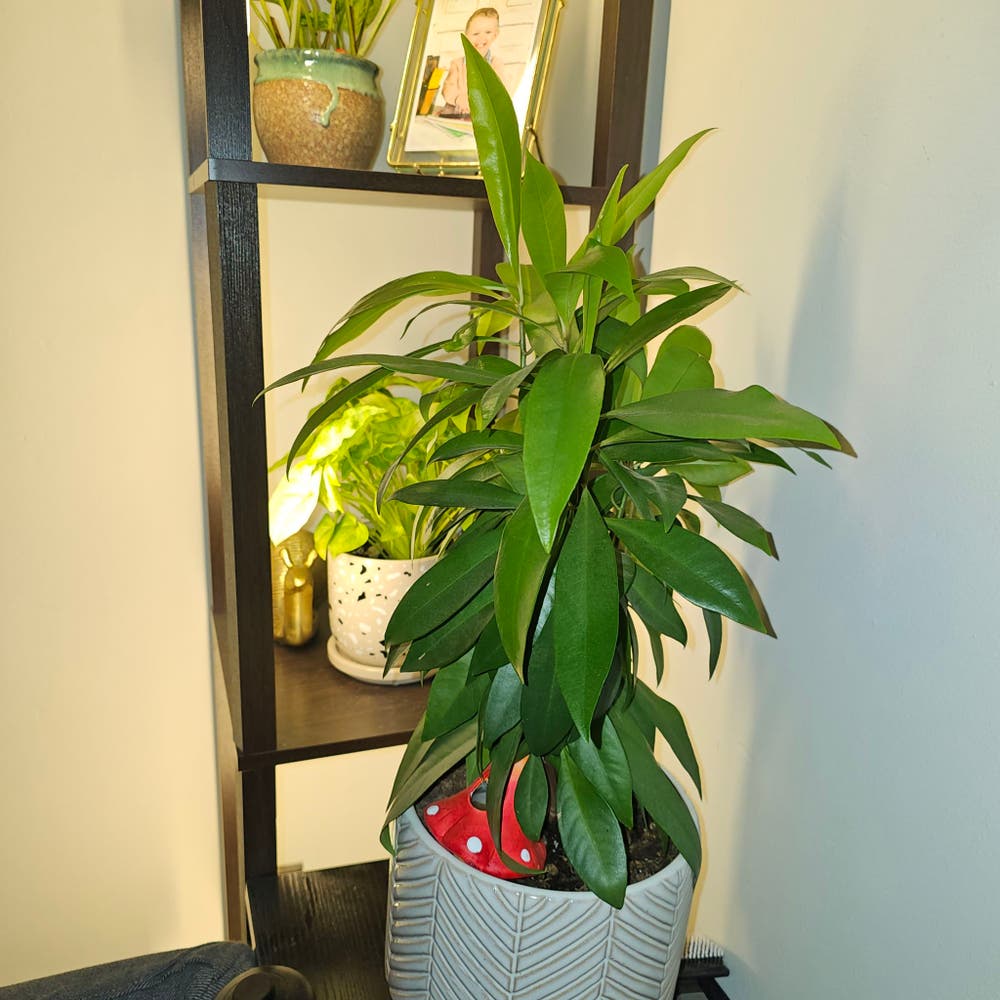
Identifying What is Eating Your Coral Berry 🐛
Ardisia crenata
By the Greg Editorial Team
Nov 26, 2024•7 min read
This article was created with the help of AI so we can cover more plants for you. May contain errors. See one? Report it here.
Safeguard your Coral Berry from herbivores to boost its health and support local ecosystems! 🌍🌱
- 🦌 Deer and rabbits are major threats to Coral Berry; look for droppings and damage.
- 🐿️ Squirrels and rodents can harm Coral Berry; check for chewed bark and burrows.
- 🌱 Effective deterrents include fencing, repellents, and regular monitoring for herbivore activity.
Common Herbivores Affecting Coral Berry
🦌 Deer
Signs of presence
Look for distinctive hoof prints in muddy areas, which indicate deer activity. Additionally, dark, pellet-like droppings near the plant can confirm their presence.
Type of damage caused
Deer are notorious for browsing on leaves and young shoots, often stripping them bare and causing stunted growth. This can significantly weaken Coral Berry plants.
Beneficial vs. harmful interaction
Generally, deer interactions are harmful. Their feeding habits can decimate Coral Berry populations, leading to long-term damage.
Deterrent methods (difficulty: moderate)
To protect your Coral Berry, consider installing 8-foot tall fencing to prevent deer access. Alternatively, use commercial deer repellents or homemade solutions like garlic spray to deter them.
🐇 Rabbits
Signs of presence
Rabbits leave behind clean cuts on young shoots, indicating they’ve been munching. You may also find small, round droppings scattered around the base of the plants.
Type of damage caused
These little critters can cause severe damage to young plants, often eating leaves and stems down to the ground. This can hinder growth and establishment.
Beneficial vs. harmful interaction
Rabbits are generally harmful to Coral Berry. Their feeding can significantly impact the plant's health and growth.
Deterrent methods (difficulty: easy)
To keep rabbits at bay, cover your plants with mesh netting. You can also use organic repellents, such as scents from peppermint or cayenne pepper, to deter them.
🐿️ Squirrels
Signs of presence
Look for chewed bark on the trunk or branches, which indicates squirrel activity. You might also spot nests in nearby trees, signaling their presence.
Type of damage caused
Squirrels can strip bark, leading to plant stress and increased susceptibility to disease. This damage can weaken Coral Berry plants over time.
Beneficial vs. harmful interaction
Interactions with squirrels are generally harmful. Their feeding habits can compromise the health of your plants.
Deterrent methods (difficulty: moderate)
Employ scare tactics like reflective objects or noise-making devices to deter squirrels. Additionally, consider using live traps for relocation if necessary.
🐦 Birds
Signs of presence
Peck marks on berries and foliage are clear signs of bird activity. You may also notice nesting activity in nearby trees or shrubs.
Type of damage caused
Birds often consume berries, which reduces the fruit yield necessary for seed dispersal. This can impact the plant's reproductive success.
Beneficial vs. harmful interaction
Birds can be generally beneficial, acting as pollinators and seed dispersers. However, their feeding can still pose challenges for Coral Berry.
Deterrent methods (difficulty: easy)
To deter birds, use predator decoys to scare them away. Hanging shiny materials can also be effective in keeping them at bay.
🐭 Rodents (mice, voles)
Signs of presence
Look for small burrows or trails in the soil, which indicate rodent activity. You may also find small, dark pellets near the base of the plant.
Type of damage caused
Rodents can cause root damage by feeding on the roots, leading to plant decline. This can severely impact the overall health of Coral Berry.
Beneficial vs. harmful interaction
Interactions with rodents are generally harmful. Their feeding habits can significantly affect plant vitality.
Deterrent methods (difficulty: moderate)
Consider using snap traps or live traps for removal. Additionally, habitat modification—reducing cover and food sources nearby—can help deter them.
🦡 Groundhogs/Woodchucks
Signs of presence
Groundhogs leave large burrows dug in the ground near the plant. You may also find evidence of feeding on stems and leaves.
Type of damage caused
These animals can cause extensive damage, often completely stripping plants of foliage. This can devastate Coral Berry populations.
Beneficial vs. harmful interaction
Groundhogs are generally harmful. Their feeding habits can lead to significant losses in Coral Berry.
Deterrent methods (difficulty: hard)
To protect your plants, install buried fencing to prevent burrowing. You can also use commercial or homemade repellents, such as castor oil, to deter them.
Understanding these common herbivores and their impact on Coral Berry is crucial for effective management. By employing the right deterrent methods, you can protect your plants and promote their health. Next, let’s explore general strategies for protecting Coral Berry from these herbivores.
General Strategies for Protecting Coral Berry
🛡️ Preventive Measures for Herbivore Damage
To safeguard your Coral Berry, start with regular monitoring. Keep an eye out for signs of animal activity, such as tracks or droppings, which can indicate herbivore presence.
Plant placement is another effective strategy. Position your Coral Berry away from known pathways of herbivores to minimize their access.
⚠️ Reactive Solutions for Managing Animal Interactions
When you notice damage, it's crucial to implement immediate responses. Use deterrents like repellents or physical barriers to protect your plants.
Additionally, consider adjusting care practices. Providing extra nutrients to stressed plants can help them recover and thrive despite herbivore pressures.
🌱 Balancing Ecosystem Health While Protecting Coral Berry
It's essential to find a balance between protecting your Coral Berry and maintaining ecosystem health. Encouraging beneficial wildlife can help, but be mindful of managing harmful interactions.
Utilizing companion planting can also deter herbivores naturally. By planting certain species alongside your Coral Berry, you can create a more resilient garden environment.
These strategies not only protect your Coral Berry but also contribute to a healthier garden ecosystem. By being proactive and responsive, you can enjoy the beauty of Coral Berry while minimizing the impact of herbivores.
Next, let’s explore the seasonal considerations that affect Coral Berry and its interactions with wildlife.
Seasonal Considerations
Understanding the seasonal dynamics of herbivores can help protect your Coral Berry plants. Different seasons bring varying levels of animal activity, which can significantly impact your plants' health.
🌱 Spring: A Time of Growth and Grazing
In spring, as Coral Berry begins to sprout new growth, herbivores become more active. This is when deer, rabbits, and other animals are on the lookout for tender young shoots, making your plants particularly vulnerable.
🍂 Fall: The Berry Bonanza
As summer transitions to fall, ripe berries attract birds and other wildlife. While this can be beneficial for seed dispersal, it can also lead to reduced fruit yield if not managed properly.
🥬 Vulnerability of Young Shoots
Young shoots in spring are especially susceptible to damage. Their tender leaves are a favorite snack for many herbivores, so monitoring your plants during this time is crucial.
🍇 Timing of Berry Production
Late summer marks the peak of berry production, drawing various animals to your Coral Berry. This is an essential time to implement protective measures to ensure your plants thrive.
By being aware of these seasonal patterns, you can better prepare and protect your Coral Berry from potential threats. Next, let’s explore general strategies for safeguarding these beautiful plants from herbivore damage.
Toxicity and Ecological Role
Toxic Effects of Coral Berry 🐾
Coral Berry does possess mild toxicity, particularly in its berries. While this can deter some herbivores, it also means that certain animals may face health risks if they consume them.
Ecological Importance 🌍
Beyond its toxicity, Coral Berry plays a vital role in local ecosystems. It provides essential food and habitat for various wildlife, supporting biodiversity in the area.
Soil Health Contributions 🌱
The root systems of Coral Berry contribute significantly to soil health. They help prevent erosion, ensuring that the surrounding environment remains stable and fertile.
Supporting Wildlife 🦋
By offering sustenance and shelter, Coral Berry fosters a thriving community of insects, birds, and small mammals. This interconnectedness highlights the importance of preserving such plants in our landscapes.
In summary, while Coral Berry may have some toxic effects, its ecological benefits far outweigh these concerns. Understanding its role can help us appreciate the delicate balance of nature and the importance of protecting these plants.
⚠️ Safety First
This content is for general information and may contain errors, omissions, or outdated details. It is not medical, veterinary advice, or an endorsement of therapeutic claims.
Always consult a qualified healthcare professional before using any plant as food, medicine, or supplement.
Never eat any plant (or feed one to pets) without confirming its identity with at least two trusted sources.
If you suspect poisoning, call Poison Control (800) 222-1222, the Pet Poison Helpline (800) 213-6680, or your local emergency service immediately.
Spotted an error? Please report it here.
Keep your Coral Berry thriving 🌱 by using Greg's personalized care tips and reminders to fend off pesky herbivores and ensure your plants flourish!