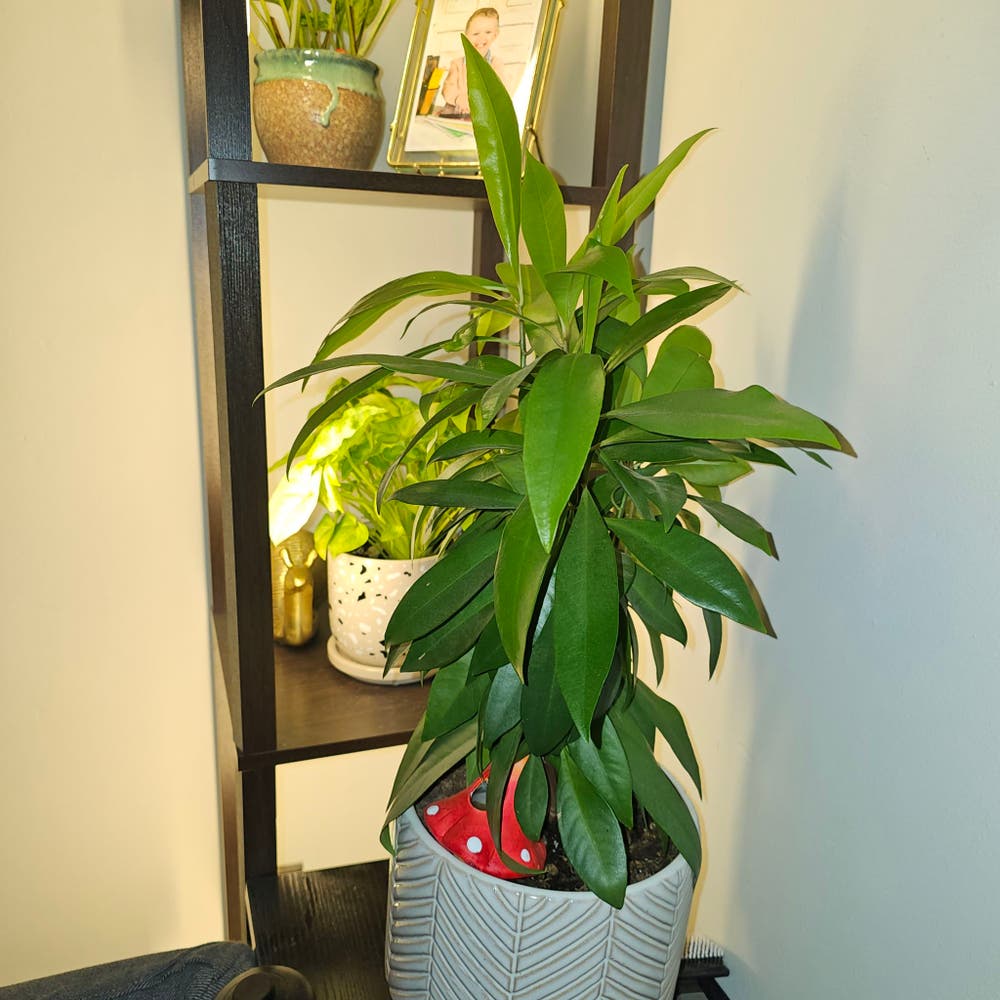
How Big Your Coral Berry Can Get 🍓
Ardisia crenata
By the Greg Editorial Team
Nov 26, 2024•4 min read
This article was created with the help of AI so we can cover more plants for you. May contain errors. See one? Report it here.
Unlock a vibrant garden with thriving coral berry plants by mastering their growth and care! 🌿
- 🌱 Coral berries grow 3-5 feet tall and can spread 4-6 feet wide.
- 💧 Consistent moisture and nutrient-rich soil are vital for optimal growth.
- 🌞 Full sun to partial shade is ideal; inadequate light stunts growth.
Mature Height and Spread
Typical Dimensions 🌱
Coral berry plants typically reach a mature height of 3 to 5 feet under standard conditions. Their spread can range from 4 to 6 feet, which varies based on environmental factors.
Factors Affecting Size 📏
Several key factors influence the size of coral berry plants.
- Soil Quality: Nutrient-rich soils are essential for promoting larger growth.
- Moisture Levels: Consistent moisture can significantly enhance the overall size of the plant.
- Competition: The proximity of other plants can affect growth patterns, as competition for resources may limit size.
Understanding these dimensions and factors can help you cultivate a thriving coral berry plant in your garden. Next, let’s explore the growth rate and time it takes for these plants to reach maturity.
Growth Rate and Time to Maturity
🌱 Growth Rate
Coral berries exhibit a moderate growth rate, typically reaching heights of 1 to 2 feet each year. Under optimal conditions, these plants can achieve their full size in approximately 3 to 5 years.
📈 Influencing Factors
Several factors can influence this growth rate. Seasonal variations, such as extreme temperatures, may slow down growth significantly.
Fertilization plays a crucial role as well. Proper nutrient management can accelerate growth, ensuring your coral berry thrives and reaches its potential.
Understanding these aspects can help you create the ideal environment for your coral berry. By monitoring conditions and providing the right care, you can enjoy a flourishing plant in your landscape.
As we explore further, let's look at how size can vary among different coral berry varieties.
Size Variability Among Varieties
🌱 Dwarf Variety
Dwarf coral berries are a fantastic choice for those with limited space. These charming shrubs typically stay under 3 feet in height, making them perfect for smaller landscapes or as ground cover.
🌳 Giant Variety
On the other end of the spectrum, giant coral berries can exceed 6 feet in height under optimal conditions. They serve as stunning focal points in larger gardens, adding a dramatic touch to your outdoor space.
⚖️ Comparison of Varieties
When comparing the growth habits of dwarf and giant varieties, it’s essential to consider your landscape needs. Dwarf varieties offer compact growth, while giants provide height and presence, allowing you to choose based on the scale and style of your garden.
Selecting the right variety can significantly impact your garden's overall aesthetic and functionality. Whether you opt for the petite charm of the dwarf or the bold statement of the giant, both can thrive beautifully with the right care.
As you plan your garden, think about how each variety fits into your vision. This consideration will help you create a vibrant and harmonious outdoor space.
Influence of Growing Conditions
🌱 Soil Type and Quality
For your coral berry to thrive, it craves well-draining, loamy soils. When the soil is nutrient-rich, you’ll notice a significant boost in growth; conversely, poor soil quality can stunt development and lead to a smaller shrub.
☀️ Sunlight Exposure
Sunlight plays a crucial role in the health of your coral berry. Ideally, it should bask in full sun to partial shade, as inadequate sunlight can result in smaller sizes and leggy growth that detracts from its natural beauty.
💧 Watering Practices
Consistent watering is vital for maintaining the overall size of your coral berry. Striking the right balance between overwatering and underwatering is essential; too much moisture can suffocate roots, while too little can lead to stress and stunted growth.
Understanding these growing conditions will help you create the perfect environment for your coral berry. With the right soil, sunlight, and watering practices, you can ensure your shrub reaches its full potential.
Pruning and Size Control
✂️ Techniques for Pruning
Pruning your coral berry is essential for managing its height and spread. Selective pruning allows you to shape the plant while promoting healthy growth.
Using sharp pruning shears is crucial for making clean cuts. This helps prevent damage to the plant and minimizes the risk of disease.
⏰ Timing for Effective Pruning
The best time to prune your coral berry is late winter or early spring, just before new growth begins. This timing ensures that the plant can recover quickly and thrive.
Aim for annual pruning to maintain your desired size. Regular maintenance keeps your coral berry looking its best and encourages robust growth.
🌱 Impact of Pruning on Growth
Pruning has a significant impact on the overall size of your coral berry. It encourages bushier growth, resulting in a fuller and more attractive shrub.
However, be cautious with your pruning practices. Over-pruning can lead to reduced berry production, which may affect the plant's overall health and aesthetic appeal.
In summary, effective pruning techniques and timing are vital for controlling the size of your coral berry. By understanding these practices, you can ensure your plant remains healthy and vibrant, setting the stage for the next topic on the influence of growing conditions.
⚠️ Safety First
This content is for general information and may contain errors, omissions, or outdated details. It is not medical, veterinary advice, or an endorsement of therapeutic claims.
Always consult a qualified healthcare professional before using any plant as food, medicine, or supplement.
Never eat any plant (or feed one to pets) without confirming its identity with at least two trusted sources.
If you suspect poisoning, call Poison Control (800) 222-1222, the Pet Poison Helpline (800) 213-6680, or your local emergency service immediately.
Spotted an error? Please report it here.
Unlock your coral berries' full potential 🌿 with Greg's tailored care plans and watering reminders, ensuring they flourish beautifully in your garden!