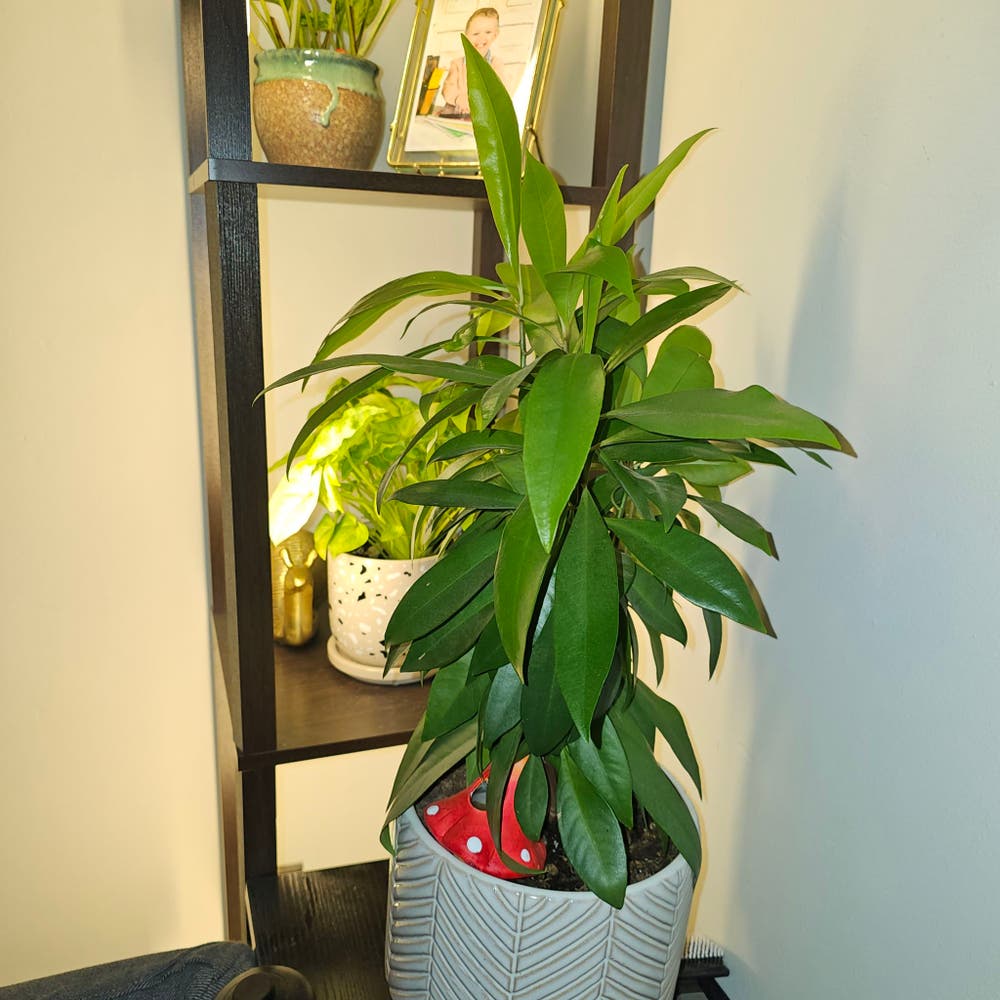
7 Factors Affecting Coral Berry Flowering
Ardisia crenata
By the Greg Editorial Team
Nov 26, 2024•3 min read
This article was created with the help of AI so we can cover more plants for you. May contain errors. See one? Report it here.
Master light, nutrition, and pruning 🌱 to unlock vibrant coral berry blooms and transform your garden into a floral paradise!
- 🌞 Insufficient light exposure leads to weak growth and poor flowering in coral berry plants.
- 🌱 Nutritional deficiencies, especially low phosphorus, hinder blooming; use balanced fertilizers.
- 🌿 Environmental stressors like drought or moisture excess cause premature flower drop.
Failure to Bloom
🌱 Potential Causes
Coral berry plants can sometimes struggle to produce blooms, and several factors contribute to this issue. One major culprit is insufficient light exposure, which can lead to weak growth and fewer flowers.
Nutritional deficiencies, especially low phosphorus levels, can also hinder blooming. Additionally, the age of the plant plays a role; older plants may have a reduced capacity for flowering, which can be disheartening for gardeners.
💡 Solutions and Adjustments
To encourage blooming, ensure your coral berry receives adequate sunlight. Adjusting your fertilization practices can also make a significant difference in promoting healthy growth.
If you have older plants that aren't blooming, consider transplanting them. This can rejuvenate their growth and potentially lead to a more vibrant flowering display.
Premature Flower Drop
🌱 Identifying Causes
Premature flower drop can be a frustrating issue for gardeners. Environmental stressors, such as drought or excessive moisture, can significantly impact the blooming process.
Sudden temperature fluctuations also play a crucial role, disrupting the natural bloom cycle and leading to unexpected bud drop.
🛠️ Remedies to Prevent Bud Drop
To combat these challenges, maintaining consistent watering practices is essential. Ensure the soil remains moist but not waterlogged to support healthy growth.
Additionally, using mulch can be a game-changer. It helps regulate soil temperature and moisture levels, creating a more stable environment for your coral berry plants.
By addressing these factors, you can enhance your chances of a vibrant flowering season. Next, let’s explore the causes of abnormal flower development and how to encourage healthy blooms.
Abnormal Flower Development
🌱 Causes of Deformities in Flowers
Abnormal flower development in Coral Berry can often be traced back to nutrient imbalances. An excess of nitrogen is particularly notorious for leading to poor flower quality, resulting in blooms that are less vibrant and less abundant.
Pests and diseases also play a significant role in affecting flower health. These unwanted guests can cause deformities, stunted growth, and even premature flower drop, making it essential to keep a close eye on your plants.
🌼 Solutions to Encourage Healthy Flower Growth
To combat these issues, regular monitoring for pests is crucial. If you spot any, applying organic pest control methods can help restore your Coral Berry's health without harming the environment.
Adjusting your fertilization practices is equally important. Ensuring a balanced nutrient profile will provide the necessary elements for robust flower growth, allowing your Coral Berry to thrive and produce beautiful blooms.
By addressing these factors, you can significantly improve the flowering potential of your Coral Berry. Next, let’s explore how light, nutrition, and pruning techniques can further enhance flowering.
Light, Nutrition, and Pruning Effects on Flowering
Light Requirements 🌞
Coral Berry flourishes best in full sun to partial shade. Bright, direct light is essential for optimal flowering, while too much exposure can scorch leaves.
Conversely, insufficient light leads to weak stems and fewer blooms. Striking the right balance is key to a vibrant display.
Nutritional Needs 🍽️
For healthy flowering, Coral Berry requires key nutrients: nitrogen, phosphorus, and potassium (NPK). These elements support robust growth and flowering.
Additionally, well-drained, fertile soil is crucial for creating optimal growth conditions. Regular soil checks can help maintain nutrient levels.
Pruning Techniques ✂️
Pruning is vital for Coral Berry health. It helps remove dead or damaged branches and shapes the plant for better growth.
The ideal time to prune is late winter to early spring, just before new growth begins. This timing encourages a fresh start and promotes abundant flowering.
Understanding the interplay of light, nutrition, and pruning can significantly enhance your Coral Berry's flowering potential. By making these adjustments, you can cultivate a thriving plant that brings beauty to your garden.
⚠️ Safety First
This content is for general information and may contain errors, omissions, or outdated details. It is not medical, veterinary advice, or an endorsement of therapeutic claims.
Always consult a qualified healthcare professional before using any plant as food, medicine, or supplement.
Never eat any plant (or feed one to pets) without confirming its identity with at least two trusted sources.
If you suspect poisoning, call Poison Control (800) 222-1222, the Pet Poison Helpline (800) 213-6680, or your local emergency service immediately.
Spotted an error? Please report it here.
Unlock vibrant coral berry blooms 🌼 by leveraging Greg's personalized care tips and watering reminders to create the perfect environment for your plants to thrive!