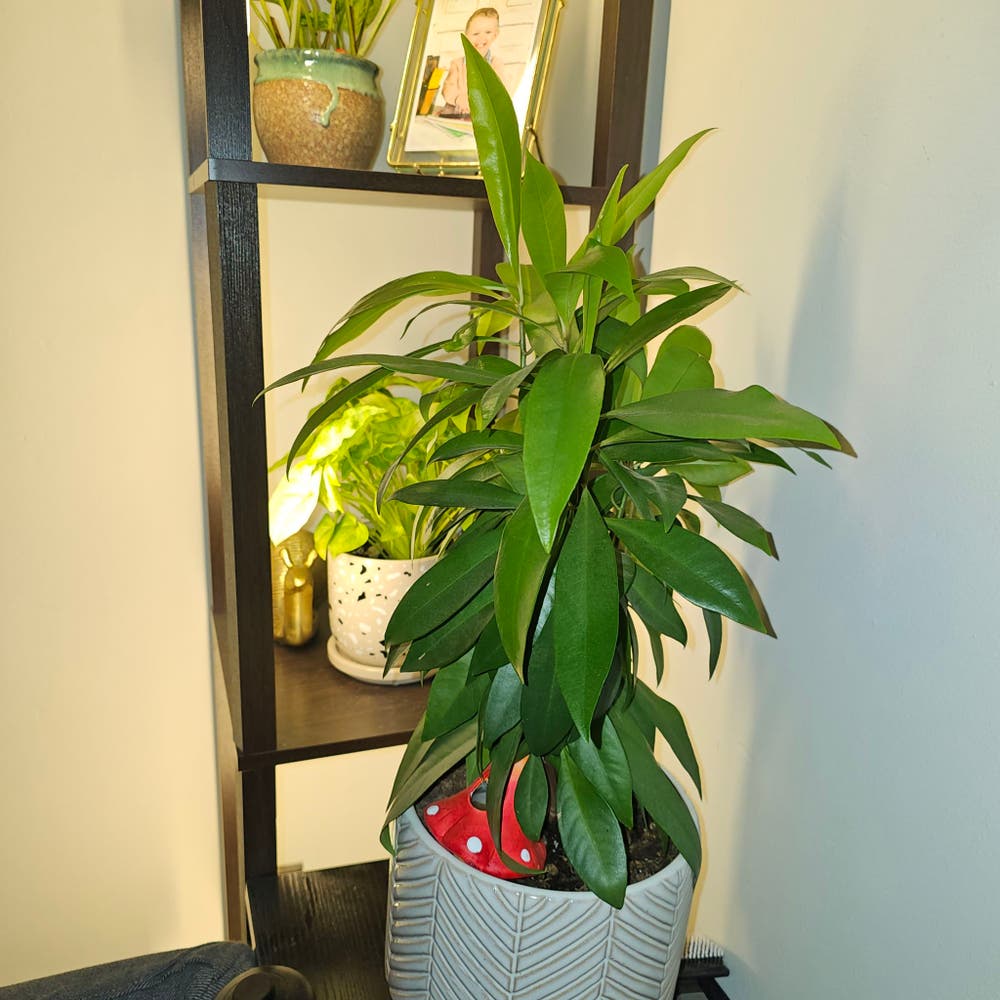
Propagating Christmas Berry: Step-by-Step Guide
Ardisia crenata
By the Greg Editorial Team
Jun 18, 2024•5 min read
This article was created with the help of AI so we can cover more plants for you. May contain errors. See one? Report it here.
Propagate festive Christmas Berries 🎄 with ease using this thorough step-by-step guide!
- Choose healthy stems and use rooting hormone for successful cuttings.
- Ideal conditions: Warmth, humidity, and bright, indirect light are key.
- Patience pays off with thriving Christmas Berry plants from cuttings or seeds.
Choosing Your Propagation Adventure
🌱 Stem Cuttings: The Quick Start
Snip and Dip: Preparing your Christmas Berry cuttings
To kick off your propagation journey, select healthy stems from your Christmas Berry plant. Look for stems that scream vitality—lush, firm, and blemish-free. With sterilized shears, make a confident cut below a leaf node. Strip away the lower leaves like you're prepping for a minimalist art show. Dip the cut end into rooting hormone to give it that extra edge in the rooting relay.
🌿 Rooting for Success: Creating the perfect environment for stem cuttings
Creating the ideal rooting environment is like setting the stage for a Broadway hit—it needs to be just right. Maintain a cozy temperature and consistent humidity to make your cuttings feel at home. Think of it as crafting a microclimate bubble where your future berries can kick back and grow roots.
🌱 Seed Propagation: The Patient Path
Seed Harvest Hoedown: Collecting and prepping your seeds
If you're in it for the long haul, seed propagation is your marathon. Harvest seeds from the juiciest, most vibrant Christmas Berries you can find. Clean them with the care of a jeweler inspecting diamonds, and let them dry like fine wine.
From Tiny Seeds to Christmas Berries: The germination game plan
Sow your seeds in a seed-starting mix that's as fluffy as a cloud. Keep the soil moist but not waterlogged—think of it as a tropical mist, not a monsoon. Patience is your companion here; germination is a waiting game where the first sprout is a victory lap.

Setting the Stage for Propagation
🌟 Home Sweet Home: Crafting the ideal propagation space
Light, Temperature, and Humidity: The trifecta for thriving cuttings and seedlings
Your propagation space is like a backstage area for the main event. Light is the headliner, essential for photosynthesis and growth. Aim for bright, indirect light to avoid scorching your Christmas Berry cuttings or seedlings. Direct sunlight might as well be a spotlight that's too hot to handle, while too little light is like an underwhelming performance that leaves everyone wanting more.
💦 Humidity and Temperature: The Dynamic Duo
High humidity and warm temperatures are like the VIP section for your plants, offering the best conditions for root development. Think of it as setting the thermostat to a cozy warm and cranking up the humidifier to create a nurturing microclimate. Temperature should be stable, ideally between 65-75°F (18-24°C), to avoid shocking the delicate cuttings.
💧 Watering Wisely: Keeping moisture just right
When it comes to watering, consistency is key. The goal is to maintain soil moisture akin to a well-wrung sponge—moist but not waterlogged. Overwatering is the equivalent of a flood at your plant's feet, leading to root rot, while underwatering is like sending your cuttings on a forced march through the desert. Keep a close eye on the watering schedule, adjusting as needed for the humidity and temperature of your propagation space.

The Waiting Game: Tracking Your Propagation Progress
👀 Root Watch: Spotting signs of success
Rooting Revelations: Your Christmas Berry cuttings are on a covert mission, and the first sign of success is the appearance of white, firm roots. If you've gone for the clear container strategy, consider it a VIP pass to the root show. For the seed sowers, it's all about the grand entrance of the first true leaves—that's your cue to break out in a gardener's happy dance.
Transition Time: Once those roots start peeking out, it's akin to kids sneaking a glance at their holiday presents; they're nearly ready for the big move. Your baby berries are prepping for their forever homes, and it's your job to ensure the transition is smoother than a well-aged eggnog. Keep a close eye on the development, and when the roots look like they've got the hang of things, it's go-time.

Propagation Pitfalls: Navigating Common Hurdles
🌱 The Oops! Factors: Identifying and fixing missteps
Root rot is the bane of propagation. If your Christmas Berry cuttings turn mushy, you've likely been overzealous with watering. Snip above the rot and start over, this time with a lighter touch on the watering can.
Yellowing leaves are a distress signal. They could be crying out for less sun or begging for nutrients. Relocate your plant and consider a nutrient boost, but remember, moderation is key.
🛠️ Quick Fixes: Turning propagation woes into wows
Underwatering can leave your plants looking like they've been through a drought. Review and adjust your watering schedule to ensure consistent moisture without waterlogging.
Nutritional deficiencies can stunt growth. If your Christmas Berry is growing slower than a sloth, it might need a bit more food. A balanced fertilizer can work wonders, but don't go overboard.
Insect invaders can wreak havoc. Keep a vigilant eye out for pests that could harm your young plants. If you spot trouble, organic insecticides or neem oil can be your allies.
Soil mix matters. If your cuttings aren't rooting, consider whether your soil is too dense or lacking in aeration. A mix of peat, perlite, and vermiculite often hits the sweet spot.
Pruning mistakes can cost you. Ensure your tools are clean and sharp to avoid introducing diseases. And remember, when it comes to division, size matters—too small, and recovery is slow; too large, and you're missing out on new plants.
Lastly, patience is not just a virtue; it's a necessity. Propagation is a marathon, not a sprint. Keep these tips handy, and with time, you'll see your Christmas Berry thrive.
⚠️ Safety First
This content is for general information and may contain errors, omissions, or outdated details. It is not medical, veterinary advice, or an endorsement of therapeutic claims.
Always consult a qualified healthcare professional before using any plant as food, medicine, or supplement.
Never eat any plant (or feed one to pets) without confirming its identity with at least two trusted sources.
If you suspect poisoning, call Poison Control (800) 222-1222, the Pet Poison Helpline (800) 213-6680, or your local emergency service immediately.
Spotted an error? Please report it here.
Ensure your Christmas Berry cuttings thrive 🌿 with Greg's personalized reminders for the perfect water and humidity levels, straight from this propagation guide.