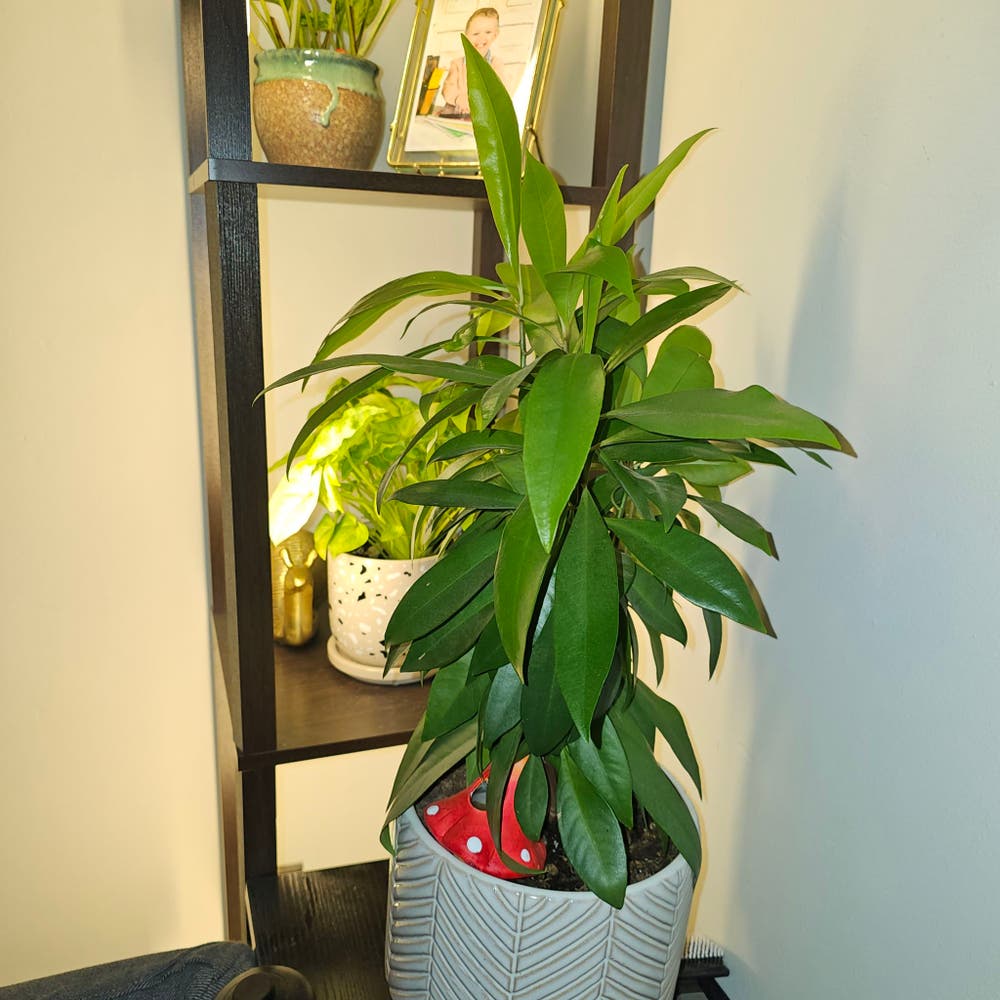
Managing Leaf Drop on Your Coral Berry 🍓
Ardisia crenata
By the Greg Editorial Team
Nov 26, 2024•8 min read
This article was created with the help of AI so we can cover more plants for you. May contain errors. See one? Report it here.
Transform your Coral Berry care and prevent leaf drop 🌿 with these essential tips for a thriving garden!
- 🌱 Environmental stress causes leaf drop; monitor moisture and sunlight for Coral Berry health.
- 💧 Proper watering is key; avoid root rot from overwatering and dryness from underwatering.
- 🐛 Pests and diseases weaken Coral Berry; inspect regularly for early signs of trouble.
Causes of Leaf Drop
🌪️ Environmental Stress Factors
Coral Berry plants can be sensitive to their environment. Drought conditions often lead to wilting and browning of leaves, signaling that your plant is struggling for moisture.
Conversely, excessive moisture can be just as harmful. When the roots sit in waterlogged soil, root rot can set in, causing leaves to yellow and eventually drop.
💧 Watering Issues
Watering practices play a crucial role in plant health. Overwatering is a common issue, with signs like soggy soil and root rot leading to leaf drop.
On the flip side, underwatering can also cause problems. If you notice dry, crispy leaves, it’s a clear indication that your Coral Berry needs more water.
🥦 Nutrient Deficiencies
Nutrient deficiencies can severely impact your plant's vitality. A nitrogen deficiency often manifests as yellowing leaves and stunted growth, indicating that your Coral Berry isn't getting the nutrients it needs.
Iron deficiency presents differently, showing up as interveinal chlorosis, where the area between leaf veins turns yellow while the veins themselves remain green.
🐛 Pest Infestations
Pests can wreak havoc on your Coral Berry's health. Common pests like aphids can sap the plant's strength, leading to weakened leaves.
Look out for signs of infestation, such as sticky residue on leaves, curled foliage, and visible insects. These indicators can help you catch pest problems early.
🦠 Diseases Affecting Coral Berry
Diseases can also contribute to leaf drop. Powdery mildew is a notorious fungal issue, characterized by white growth on leaves, which can lead to significant leaf loss.
Other diseases, such as root rot, can cause similar symptoms. Recognizing these diseases early is key to maintaining your Coral Berry's health.
Understanding these causes of leaf drop is essential for effective management. By addressing environmental stressors, watering issues, nutrient deficiencies, pests, and diseases, you can help your Coral Berry thrive. Next, we’ll explore how to diagnose leaf drop effectively.
Diagnosing Leaf Drop
🌱 Identifying Symptoms
Early Signs of Stress
Wilting leaves can signal both underwatering and overwatering. Keep an eye out for these indicators to catch issues early.
Color changes are another red flag; yellowing or browning leaves often indicate stress. These symptoms can help you pinpoint what your Coral Berry might be experiencing.
Distinguishing Between Natural and Problematic Leaf Drop
Timing is crucial when assessing leaf drop. Seasonal patterns are normal, but sudden drops can indicate underlying problems.
Also, evaluate the condition of the leaves. Healthy leaves should look vibrant, while damaged ones may show signs of distress.
🩺 Assessing Plant Health
Checking Soil Moisture Levels
To check soil moisture, you can use simple techniques like the finger test or a moisture meter. These methods help you determine if your Coral Berry is getting the right amount of water.
Aim for ideal moisture levels to keep your plant thriving. Consistent moisture is key to preventing stress and leaf drop.
Evaluating Light Conditions
Coral Berry thrives in full sun to partial shade. Ensure your plant is getting the right light exposure for optimal growth.
If you notice stretching or pale leaves, it may be a sign of inadequate light. Adjusting the plant's location can make a significant difference.
Inspecting for Pests and Diseases
Regular visual inspections are vital for catching pests and diseases early. Look closely for any signs of trouble, such as visible insects or unusual leaf conditions.
Consistent checks can help you intervene before problems escalate. Early action is essential for maintaining the health of your Coral Berry.
As you diagnose leaf drop, remember that understanding these symptoms and conditions will guide you in providing the best care for your plant. Next, we’ll explore effective strategies for preventing leaf drop altogether.
Preventing Leaf Drop
🌱 Best Practices for Coral Berry Care
Proper Watering Techniques
Watering your Coral Berry correctly is crucial for preventing leaf drop. In spring and summer, aim to water deeply once a week, while in fall and winter, reduce frequency to every two weeks.
Signs of proper watering include vibrant, healthy leaves and soil that is moist but not soggy. If you notice wilting or browning leaves, it may indicate an issue with your watering routine.
Soil Selection and Amendments
Choosing the right soil is essential for your Coral Berry's health. Well-draining, loamy soils are ideal, as they prevent waterlogging and promote healthy root growth.
To enhance drainage, consider adding organic matter like compost. This not only improves soil structure but also boosts nutrient availability.
Fertilization Schedule
A consistent fertilization schedule supports robust growth and leaf health. Apply a balanced NPK fertilizer in early spring and again in mid-summer to provide essential nutrients.
Using the right type of fertilizer ensures your Coral Berry gets what it needs to thrive, helping to prevent nutrient deficiencies that can lead to leaf drop.
🌞 Environmental Adjustments
Ideal Light Conditions
Coral Berries thrive with 6-8 hours of direct sunlight daily. Ensure your plants are positioned to receive adequate light, as insufficient exposure can lead to weak growth and leaf drop.
If your plants are struggling, consider adjusting their location or rearranging your garden layout to maximize sunlight.
Temperature and Humidity Considerations
Maintaining the right temperature is vital for Coral Berry health. Aim for a temperature range of 60°F to 75°F (15°C to 24°C) to keep your plants happy.
Moderate humidity levels also play a role in their well-being. Too dry or too humid conditions can stress the plant, leading to potential leaf drop.
Treating Leaf Drop
🌱 Step-by-Step Treatment for Common Causes
Adjusting Watering Practices
- Assess current watering schedule: Check how often and how much you water your Coral Berry. This helps identify if your plant is getting too much or too little moisture.
- Modify based on soil moisture readings: Use a moisture meter or the finger test to gauge soil dampness. Adjust your watering frequency accordingly to maintain optimal moisture levels.
Addressing Nutrient Deficiencies
- Soil testing: Conduct a soil test to determine nutrient levels. This will help you understand what your plant might be lacking.
- Apply appropriate fertilizers: Based on the deficiencies identified, choose fertilizers that will replenish the necessary nutrients. Balanced NPK options are often effective.
Pest Management Strategies
- Identify pests: Regularly inspect your Coral Berry for pests. Use sticky traps or visual checks to catch any infestations early.
- Apply treatments: If pests are found, treat them with insecticidal soap or neem oil. These options are effective and less harmful to the environment.
Disease Treatment Options
- Identify disease symptoms: Look for signs like fungal growth or wilting leaves. Early detection is key to effective treatment.
- Apply fungicides or adjust care practices: Use fungicides as needed, and improve air circulation around the plant. Reducing moisture can also help prevent further issues.
🌼 Recovery Techniques
Pruning Affected Areas
- When to prune: Timing is crucial; prune when you notice significant leaf damage. This helps the plant focus its energy on healthy growth.
- Techniques: Make clean cuts to promote healing. This minimizes stress on the plant and encourages new growth.
Supporting Plant Health Post-Stress
- Additional watering and fertilization: After addressing the causes of leaf drop, provide extra care with watering and fertilization. This supports recovery and helps your Coral Berry bounce back.
- Monitoring for new growth: Keep an eye out for signs of returning health, like new leaves sprouting. This is a positive indicator that your plant is on the mend.
By following these treatment and recovery techniques, you can effectively manage leaf drop in your Coral Berry. With the right care, your plant will thrive and continue to beautify your space. Next, let’s explore how to maintain Coral Berry health for long-term resilience.
Maintaining Coral Berry Health
🌱 Regular Care Routines
Regular care is essential for keeping your Coral Berry thriving. Seasonal maintenance tasks play a crucial role in ensuring your plant remains healthy and vibrant.
Seasonal Maintenance Tasks
In spring, focus on pruning and fertilization. This is the time to remove any dead or damaged branches and provide nutrients to support new growth.
As fall approaches, prepare your Coral Berry for winter. Monitor leaf drop closely, as this can indicate stress or environmental changes.
🔍 Monitoring Plant Health Indicators
Regular checks for leaf color, moisture, and pest presence are vital. Keeping an eye on these indicators helps you catch potential issues early.
Consider keeping a care log to document changes and interventions. This practice not only tracks your plant's health but also enhances your gardening skills over time.
🌳 Long-Term Strategies for Resilience
Building resilience in your Coral Berry involves strategic long-term care. Focus on soil health and fostering beneficial ecosystems.
Building Soil Health
Organic matter is key to enhancing soil structure and nutrient availability. Incorporating compost or well-rotted manure can significantly improve your Coral Berry's growing conditions.
Additionally, consider crop rotation and companion planting. These practices can provide benefits such as improved soil fertility and reduced pest pressure.
🐝 Encouraging Beneficial Insects
Attracting pollinators and natural pest predators is another effective strategy. Planting companion flowers can create a welcoming environment for these helpful insects.
Creating a balanced ecosystem is essential for reducing pest pressure naturally. This approach not only supports your Coral Berry but also contributes to a healthier garden overall.
By implementing these maintenance routines and long-term strategies, you can ensure your Coral Berry remains robust and resilient. Next, let’s explore how to treat leaf drop effectively when it occurs.
⚠️ Safety First
This content is for general information and may contain errors, omissions, or outdated details. It is not medical, veterinary advice, or an endorsement of therapeutic claims.
Always consult a qualified healthcare professional before using any plant as food, medicine, or supplement.
Never eat any plant (or feed one to pets) without confirming its identity with at least two trusted sources.
If you suspect poisoning, call Poison Control (800) 222-1222, the Pet Poison Helpline (800) 213-6680, or your local emergency service immediately.
Spotted an error? Please report it here.
Keep your Coral Berry healthy and leafy 🌿 by using Greg's personalized watering reminders and nutrient tips to prevent leaf drop and promote vibrant growth!