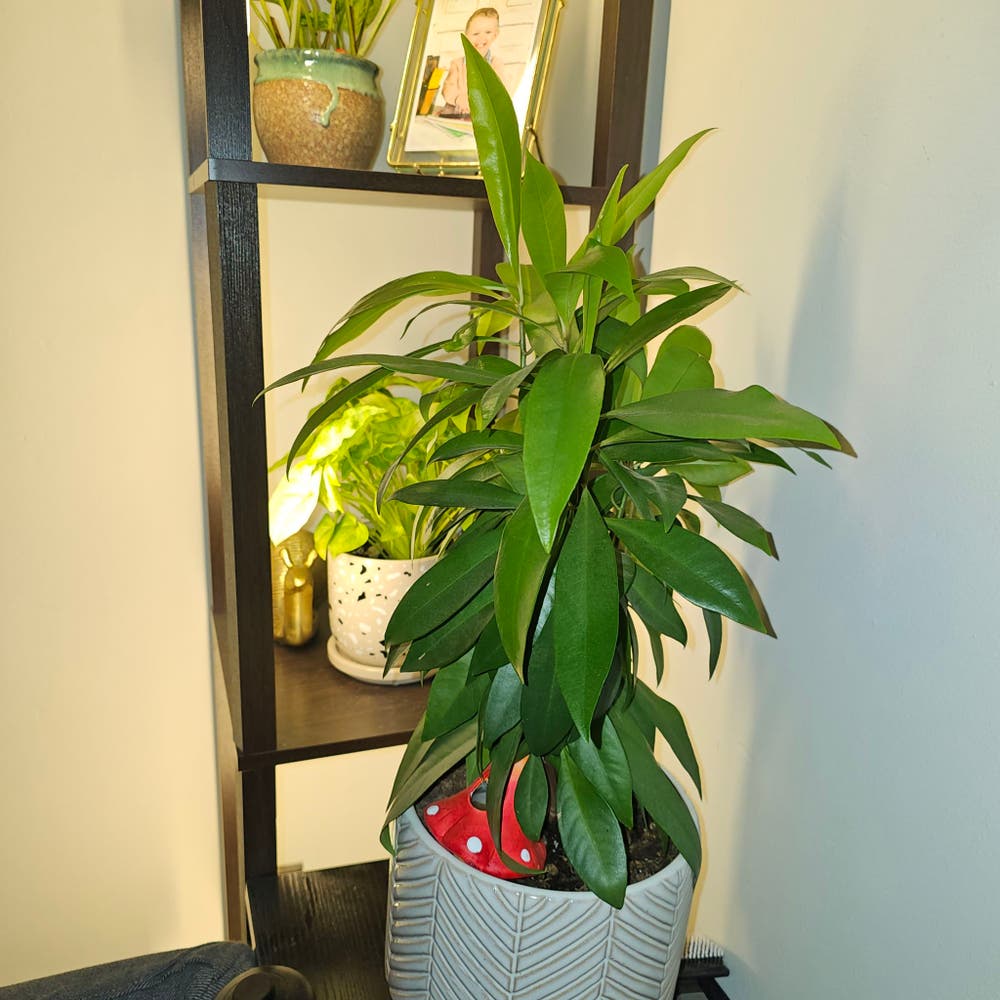
Christmas Berry - Fertilizing 101
Ardisia crenata
By the Greg Editorial Team
Jun 18, 2024•4 min read
This article was created with the help of AI so we can cover more plants for you. May contain errors. See one? Report it here.
Discover the secret to dazzling Christmas Berry blooms with our tailored fertilization tips! 🎄✨
- Organic vs. Synthetic: Organic enriches soil, synthetic for quick growth but risk burn.
- Balanced NPK Ratio: Less nitrogen, more phosphorus and potassium for vibrant blooms.
- Fertilize Wisely: Spring to summer, avoid over-fertilization, and watch for paler leaves as cues.
Best Fertilizers for a Blooming Christmas Berry
🌱 Organic vs. Synthetic Fertilizers
Organic fertilizers are the tortoises in this race: slow and steady. They enrich the soil and support a healthy root system, crucial for the Christmas Berry's vibrant blooms. But patience is key; they don't offer instant gratification. Synthetic fertilizers, on the other hand, are like a nutrient-packed energy drink. They deliver a swift kick to your plant's system, promoting quick growth. However, they come with a risk of nutrient burn if you get heavy-handed.
💡 NPK Ratio: What's Ideal for Christmas Berry?
The NPK ratio is like a secret recipe for your Christmas Berry's success. You're aiming for a mix that's not too nitrogen-heavy. Nitrogen is all about the greenery, but it's the phosphorus and potassium that will coax out those sought-after blooms. A balanced NPK ratio ensures your plant doesn't go all leaves at the expense of flowers.
🌿 Top Picks for Christmas Berry Fertilizers
When it comes to product recommendations, think tailored suits rather than off-the-rack. For the Christmas Berry, a balanced fertilizer is your best bet. Look for options that offer a mix of nutrients, without an excessive amount of phosphorus—common soil already has plenty of it. Products that combine quick-release synthetic nutrients with longer-lasting organic benefits can give you the best of both worlds. Keep an eye out for fertilizers that also include micronutrients; these are the unsung heroes that support overall plant health.

Timing is Everything: When to Fertilize
📅 Seasonal Fertilization Schedule
Spring is the kick-off for Christmas Berry fertilization; it's when your plant is gearing up for the year. Start feeding as the last frost fades and new growth appears. Continue with a steady regimen throughout the growing season, tapering off as summer ends to avoid encouraging growth that can't withstand winter's chill.
Signs It's Time to Fertilize
Your Christmas Berry will speak up when it's hungry. Look for paler leaves or slowed growth as a nudge to grab the fertilizer. Don't wait for your plant to look like it's on a diet; consistent feeding is better than crash courses in plant nutrition.

Fertilizing Step by Step
💧 Preparing Your Fertilizer Mix
To kickstart your Christmas Berry's bloom, you'll need to mix your fertilizer like a pro. Dilution is key; think of it as the plant's personal cocktail. Start with a half-strength solution of the recommended dose to avoid the dreaded fertilizer burn. It's like seasoning food; the right amount can enhance, but too much ruins the dish.
🌱 Application Techniques for Maximum Uptake
Fertilizer isn't fairy dust; you can't just sprinkle it and expect miracles. For maximum uptake, gently rake the soil around your Christmas Berry, loosening it without going deep enough to damage roots. Sprinkle the fertilizer uniformly around the drip line, not at the base, to avoid stem and leaf damage. If you goof and get some on the foliage, brush it off stat. After spreading, rake it in gently, then water it down to help the soil absorb the nutrients. Timing is crucial—apply just as your plant enters its blooming cycle for a show-stopping floral display. Remember, less is more; overdoing it can lead to nutrient burn.

Recognizing and Avoiding Over-Fertilization
🚨 Telltale Signs of Too Much Love
Overzealous fertilization can leave your Christmas Berry looking less than merry. Burnt leaf tips and edges are a plant's cry for help, signaling an excess of nutrients. A white, salty crust on the soil surface is another red flag, indicative of fertilizer buildup. If your plant's growth seems stunted or the leaves exhibit unusual curling, it's time to reassess your feeding strategy.
🔄 Dialing Back: What to Do If You've Overdone It
If you've been heavy-handed with the fertilizer, don't beat yourself up—there's a fix. Cease all fertilization immediately to prevent further damage. Flush the soil with water to help wash away the excess nutrients; this may take several attempts. In severe cases, repotting in fresh soil can give your plant a clean slate. Remember, recovery takes time, so be patient and give your Christmas Berry a season to bounce back before expecting any impressive blooms.
⚠️ Safety First
This content is for general information and may contain errors, omissions, or outdated details. It is not medical, veterinary advice, or an endorsement of therapeutic claims.
Always consult a qualified healthcare professional before using any plant as food, medicine, or supplement.
Never eat any plant (or feed one to pets) without confirming its identity with at least two trusted sources.
If you suspect poisoning, call Poison Control (800) 222-1222, the Pet Poison Helpline (800) 213-6680, or your local emergency service immediately.
Spotted an error? Please report it here.
Ensure your Christmas Berry thrives with vibrant blooms and no nutrient burn 🍒, by letting Greg remind you when and how to fertilize from these expert tips!