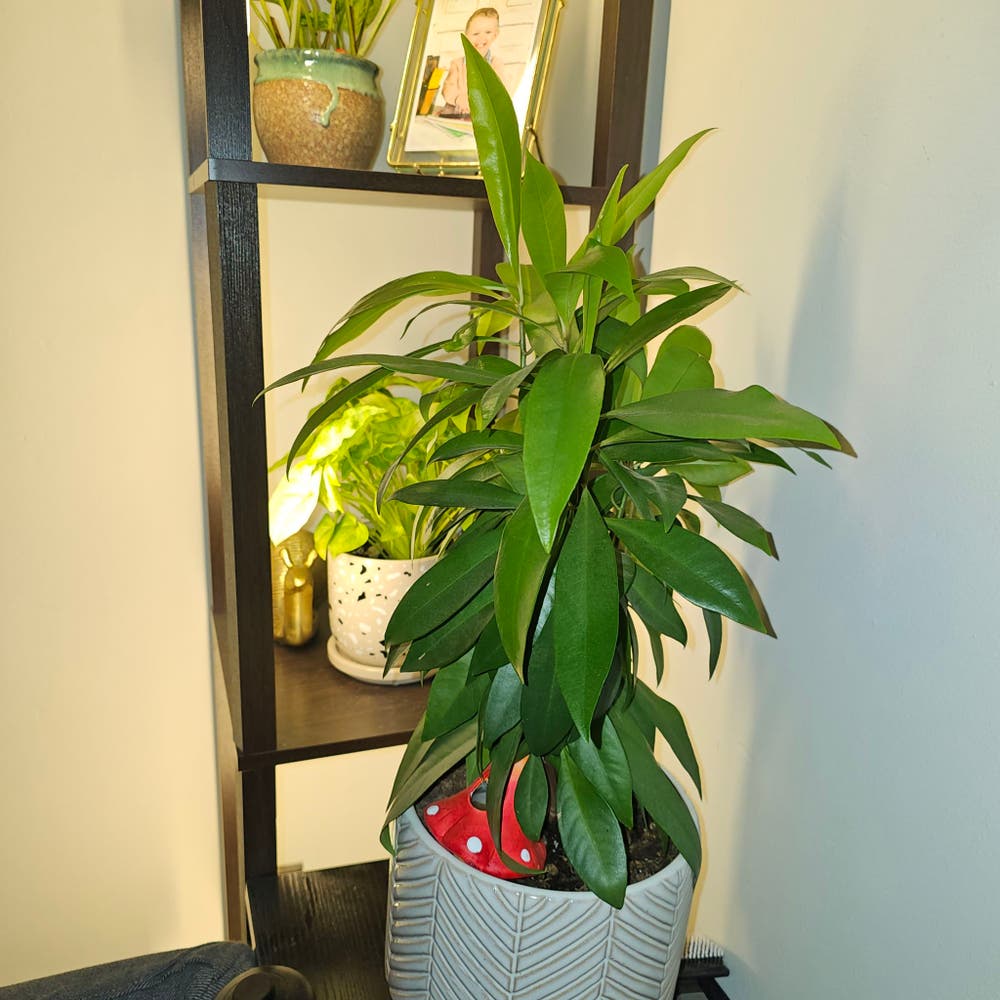
Why Are My Christmas Berry Leaves Dropping?
Ardisia crenata
By the Greg Editorial Team
Jun 18, 2024•4 min read
This article was created with the help of AI so we can cover more plants for you. May contain errors. See one? Report it here.
Halt the Christmas Berry leaf-drop crisis 🍂 with our essential care tips to restore plant health!
- Water wisely to prevent Christmas Berry leaf drop.
- Stable environment with correct temperature and humidity is key.
- Combat pests/diseases with vigilance and eco-friendly treatments.
Spotting the Signs of Trouble
🍂 Recognizing Early Symptoms
Consistency in your Christmas Berry's leaf shedding patterns is like a reliable friend—it's comforting and expected. But when leaves start dropping erratically, it's a signal to pay attention. Look for leaves that seem out of place in a beauty pageant—spots, discoloration, or anything that screams "I'm not okay!"
🚩 When to Be Concerned
Natural leaf shedding is to plants what hair loss is to humans—a part of life. But when your Christmas Berry starts shedding like it's in a race to baldness, it's time for concern. New growth should be vibrant, not blackened or distorted. If the old leaves are drooping or the plant's overall demeanor seems like it's staging a protest, you've got a situation on your hands.

Nailing Down the Causes
💧 Water Woes: Too Much or Too Little
Improper watering is a common assassin of Christmas Berry leaves. Too much water chokes roots, leaving them gasping for air, while too little turns your plant into a parched desert wanderer. Wilting or leaves that perk up after watering are tell-tale signs of H2O distress. Remember, consistency is key—your plant craves a stable drinking routine.
🌡️ The Climate Culprit: Temperature and Humidity
Environmental stress is like a bad office environment for your Christmas Berry—it can lead to a mass exodus of leaves. Scorching temperatures and Sahara-like dryness, or conversely, a chilly draft, can trigger a leaf drop. It's a delicate dance between too hot, too cold, and just right. Keep an eye out for wilting or yellowing as a cry for help.
🌱 Soil and Nutrition: The Root of the Problem
Soil conditions and nutrient imbalances are the unsung villains in the leaf-drop drama. Alkaline or nutrient-deficient soil can cause leaves to bid adieu. Yellowing leaves may signal a deficiency in iron or magnesium, while a soil pH that's off the charts can create a hostile living environment. It's like feeding your plant junk food—eventually, it's going to show.

Battling Pests and Diseases
🐛 Common Invaders to Watch Out For
Regular vigilance is key in spotting the early signs of pests and diseases on your Christmas Berry plant. Aphids and mites are the usual suspects, often leaving telltale signs like discolored leaves or tiny droppings. Fungal diseases, such as leaf spot, present as blemishes on the foliage, which can lead to leaf drop if ignored.
💉 Effective Treatment Strategies
Immediate isolation is crucial when you detect an infestation or infection. For pests like aphids, a strong jet of water or insecticidal soap can be effective. Fungal issues may require removing affected leaves and applying a fungicide. Always remember to sterilize your pruning tools to prevent the spread of disease.
Incorporate natural predators such as ladybugs to tackle aphid populations. For fungal foes, ensure good air circulation and avoid wetting the leaves to prevent their spread. If chemical treatments are necessary, opt for eco-friendly options to minimize environmental impact. Remember, a healthy Christmas Berry is more resilient, so focus on overall plant care to reduce the risk of future attacks.

Turning Over a New Leaf: Prevention and Care
💧 Fine-Tuning Your Watering Technique
Watering isn't just a chore; it's a craft. Start with a baseline of once a week, then adjust to your plant's feedback. If the soil feels dry, it's time to hydrate. If it's damp, give it a breather. Remember, the goal is moist soil, not a mini swamp.
🌿 Creating the Ideal Environment
Your Christmas Berry doesn't want to sunbathe in the Sahara or chill in the Arctic. Keep the temperature consistent, away from drafts and direct heat sources. Humidity-wise, think tropical but not rainforest. A pebble tray or occasional misting can help maintain that sweet spot.
🌱 Soil and Feed: Laying the Groundwork
Soil is the Christmas Berry's bedrock. Use a well-draining mix to keep roots happy and avoid waterlogging. When it comes to food, less is more. A balanced fertilizer, used sparingly, is like a vitamin boost rather than a full-blown feast.
⚠️ Safety First
This content is for general information and may contain errors, omissions, or outdated details. It is not medical, veterinary advice, or an endorsement of therapeutic claims.
Always consult a qualified healthcare professional before using any plant as food, medicine, or supplement.
Never eat any plant (or feed one to pets) without confirming its identity with at least two trusted sources.
If you suspect poisoning, call Poison Control (800) 222-1222, the Pet Poison Helpline (800) 213-6680, or your local emergency service immediately.
Spotted an error? Please report it here.
Prevent leaf drop and ensure your Christmas Berry thrives by letting Greg tailor a care plan 📋 that adjusts to your home's unique conditions.