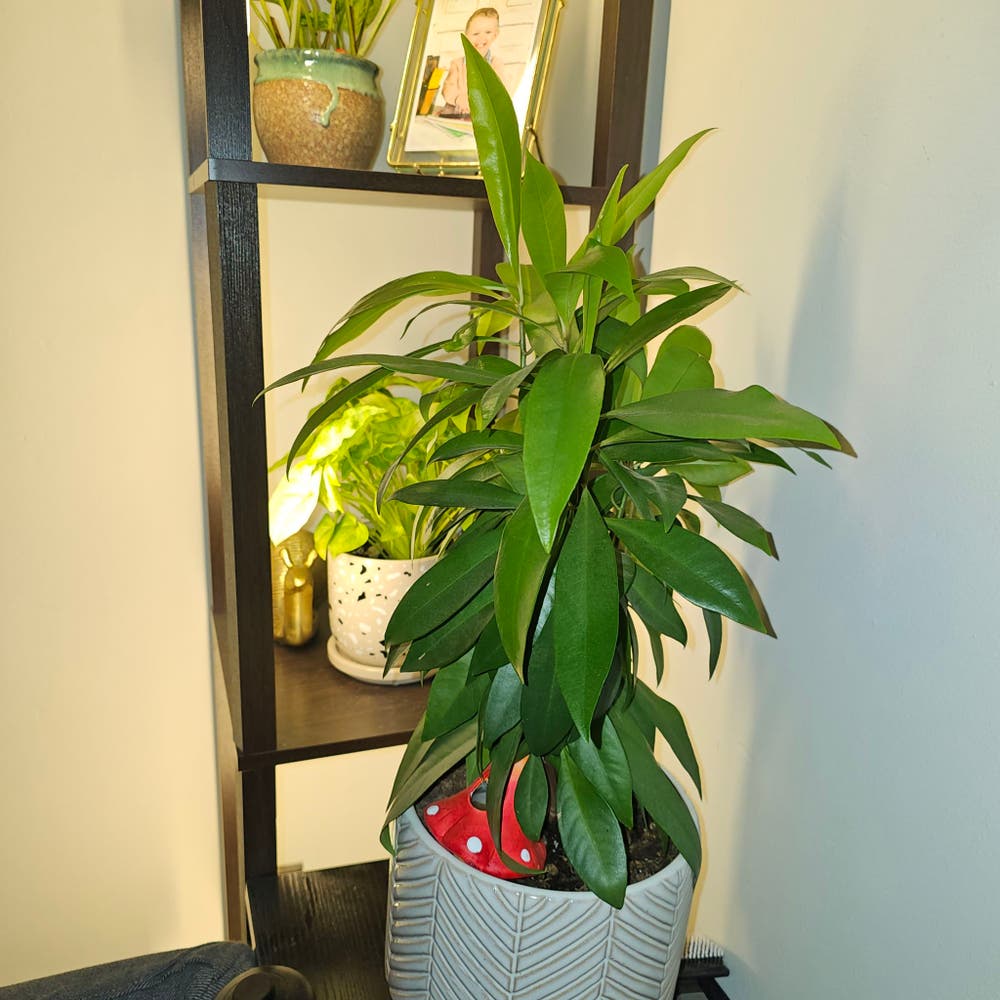
When and Where Should I Trim My Christmas Berry?
Ardisia crenata
By the Greg Editorial Team
Jun 18, 2024•4 min read
This article was created with the help of AI so we can cover more plants for you. May contain errors. See one? Report it here.
Trim your Christmas Berry at the right time 🕒 for a breathtaking garden showcase next year! 🌟
- Post-bloom pruning enhances growth and health for a vibrant Christmas Berry.
- Early spring trim avoids dormancy and sets up for next season's blooms.
- Use sharp tools; clean cuts to prevent disease and promote quick healing.
Best Time to Prune for Lush Growth
🌸 Post-Flowering Perks
Pruning your Christmas Berry after it blooms is like hitting the reset button for the plant. It diverts energy from seed production back into growth and health. This strategic timing sets the stage for denser foliage and more vibrant displays in the following season.
📅 Seasonal Smarts
The seasons dictate your pruning schedule. Early spring is prime time, just as your Christmas Berry shakes off winter's chill. Pruning too late in the year can be a gamble with next season's blooms. Aim to prune when the plant's energy is surging, avoiding the dormant phase to sidestep a flowerless faux pas.

Pruning Hotspots on Your Christmas Berry
💀 Dead and Damaged Limbs
Immediate action is required when you spot dead or damaged limbs on your Christmas Berry. These are not just eyesores; they're liabilities. They can attract pests and diseases, potentially spreading trouble to healthy parts of the plant. Snip them off cleanly at the base to prevent decay and promote robust new growth. Remember, it's like giving your shrub a clean bill of health.
🌳 Sculpting for Show
Shaping your Christmas Berry isn't just about vanity; it's about vitality. Strategic pruning turns an unruly bush into a showpiece. Start by envisioning the desired shape, then remove branches that break the mold. Aim for symmetry and balance, but don't get carried away. Over-pruning can be just as bad as neglect.
🌿 Tackling Overgrowth
When your Christmas Berry starts to resemble a mini-jungle, it's time to tame the beast. Overgrowth can lead to a lack of light and air circulation, which in turn can invite diseases. Cut back the excess, but do so with a plan. Ensure that every cut is purposeful, promoting a healthier, more manageable plant. Keep it tidy, keep it happy.

Pruning Techniques and Best Practices
✂️ Snip and Shape
To master the art of selective pruning, envision the final look of your Christmas Berry. Snip away dead or damaged branches to maintain the plant's natural shape while encouraging new growth. Always cut just above a leaf node or bud to foster healthy regrowth. Remember, less is more; excessive snipping can stress the plant.
🌿 Thinning for Thriving
Thinning out your Christmas Berry is like giving it room to breathe. By removing clutter, you allow more air and light to reach the inner parts of the plant, promoting a healthier and more vigorous growth. Make sure to remove weak or crossing branches to prevent future issues.
📏 Size Control
When it comes to size control, heading back is your go-to technique. If you need to reduce the size of your shrub, do this first before tackling the inner density. Cut back to the "collar" of the branch, avoiding stubs that can lead to disease and decay. This method keeps your Christmas Berry within bounds and maintains a tidy appearance.

After the Trim: Care and Cleanup
🛠️ Tool Talk
Sharp, sanitized tools are your best friends post-pruning. Think surgeon's scalpel. Before you start, and after each use, give those shears a good scrub with rubbing alcohol or a bleach solution. This isn't just about being a clean freak; it's about keeping your Christmas Berry safe from nasty pathogens.
Clean Cuts and Care
After you've played Edward Scissorhands with your shrub, it's time for some plant TLC. Each cut should be clean, not ragged, to promote quick healing. Wipe your blades with rubbing alcohol between cuts to avoid playing pass-the-parasite. And remember, a stressed plant is a sad plant, so don't get snip-happy and remove more than one-third of the plant at a time.
Pruning Pitfalls
Avoid the rookie mistake of over-pruning; it's not a race to the barest bush. And don't leave stubs—they're like open invitations for pests and diseases. After you're done, clear away the clippings and fallen leaves to deny any diseases a cozy home. It's like cleaning up after a party before the hangover hits.
⚠️ Safety First
This content is for general information and may contain errors, omissions, or outdated details. It is not medical, veterinary advice, or an endorsement of therapeutic claims.
Always consult a qualified healthcare professional before using any plant as food, medicine, or supplement.
Never eat any plant (or feed one to pets) without confirming its identity with at least two trusted sources.
If you suspect poisoning, call Poison Control (800) 222-1222, the Pet Poison Helpline (800) 213-6680, or your local emergency service immediately.
Spotted an error? Please report it here.
Trim your Christmas Berry at just the right time with Greg's 📅 personalized pruning reminders, ensuring vibrant growth and a stunning display next season.