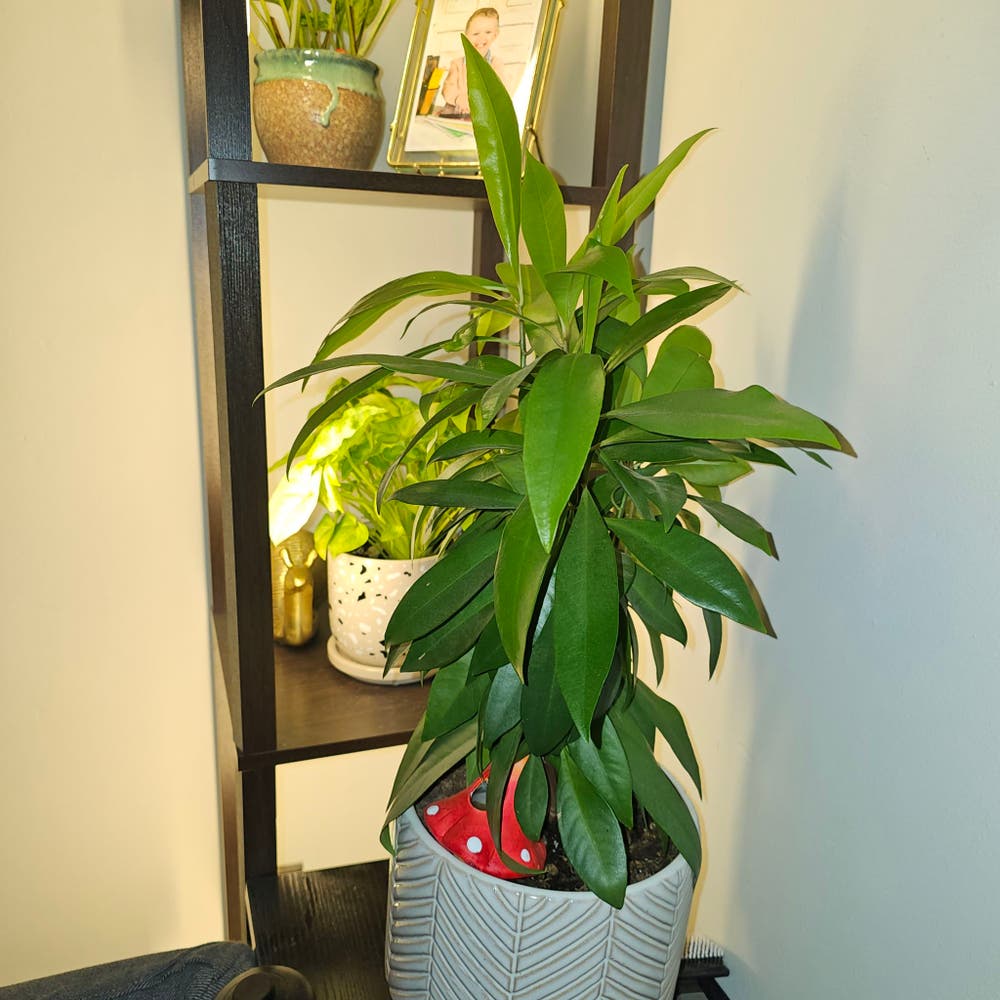
🎄 Why Are My Christmas Berry Leaves Falling Over?
Ardisia crenata
By the Greg Editorial Team
Jun 18, 2024•3 min read
This article was created with the help of AI so we can cover more plants for you. May contain errors. See one? Report it here.
Stop your Christmas Berry's leaf-drop 🍂 and ensure lasting lushness with key care insights! 🌟
- Nutrient deficiencies cause limp leaves; balanced fertilizers help.
- Water wisely—moist soil, not soggy, prevents droopiness.
- Stable environment and regular pruning ensure plant health.
Spotting the Culprits Behind the Collapse
🌱 Nutrient Shortfalls
Decoding Leaf Language
Leaves don't lie; they show nutrient deficiencies like a neon sign. Pale, limp foliage often cries out for a nutrient boost.
Nourishment Know-How
Combat the food famine with a balanced fertilizer. Moderation is key—think of it as a multivitamin for your plant.
💧 Water Woes
Too Much or Too Little
Leaves drowning in water or gasping for moisture are a sad sight. Both extremes can lead to a droopy demise.
Hydration Sweet Spot
Aim for moist, not soggy, soil. Your Christmas Berry will thank you with perky leaves.
🌦️ Climate Conundrums
Weathering the Storm
Extreme weather can leave leaves exhausted. Too hot, they crisp; too cold, they mush.
Ideal Climate Cocoon
Strive for a stable environment—your Christmas Berry's personal Goldilocks zone.

First Aid for Faint Foliage
💧 Soil Solutions
Amendments are crucial for reviving your Christmas Berry's soil. Mix in perlite or peat moss to enhance drainage and aeration. This is like upgrading your plant to a better living space.
Fertilizer is your plant's diet. Apply a balanced mix to avoid the equivalent of a plant junk food binge. Over-fertilizing can be as harmful as not fertilizing at all.
💦 Watering Wisdom
Watering routines can make or break your plant's health. Water deeply to encourage strong roots, but let the soil dry out a bit between sessions. Think of it as a gentle, nourishing rain for your plant's roots.
Drainage is non-negotiable. Ensure your pot has adequate holes to prevent soggy soil. No one likes wet feet, especially not your Christmas Berry. If over-watering occurs, let the plant dry out in a shaded area before resuming your watering routine.
Remember, consistency is key. Your plant relies on you to avoid the rollercoaster of erratic care. Keep a watchful eye and adapt as needed.

Fortifying Foliage Against Future Faints
🌿 Tailored TLC for Your Christmas Berry
Pruning isn't just about aesthetics; it's preventative medicine for your plant. Snip away dead or dying foliage to ward off pests and diseases. Think of it as your plant's regular health check-up.
Consistency is key when it comes to environmental factors. Aim for a stable temperature and humidity level that mimics a perpetual spring day. Use a humidifier or pebble tray to maintain that just-right moisture in the air.
🌱 Pruning Pointers and Cleanliness Cues
Regular pruning encourages new growth and can prevent your Christmas Berry from becoming a haven for pests. Remove leggy growth to keep your plant robust and well-shaped. Post-trim, give your plant the equivalent of a spa day with adequate water and nutrients to aid in recovery.
Cleanliness goes beyond the leaves. Ensure the surrounding area is free of debris to minimize the risk of disease. Routine checks for pests are crucial; act swiftly if you spot trouble.
🌍 The Environmental Envelope
Craft an environmental envelope where temperature swings and harsh lighting are moderated. Shield your plant from direct sunlight to prevent the equivalent of a botanical sunburn. In colder months, consider insulation methods like bubble wrap or plant cloches to mimic a snug winter coat.
Maintain a consistent watering schedule that keeps the soil moist but not soggy. Overwatering is as harmful as neglect, so find that hydration sweet spot. Remember, a well-draining soil mix is your best insurance against water woes.

⚠️ Safety First
This content is for general information and may contain errors, omissions, or outdated details. It is not medical, veterinary advice, or an endorsement of therapeutic claims.
Always consult a qualified healthcare professional before using any plant as food, medicine, or supplement.
Never eat any plant (or feed one to pets) without confirming its identity with at least two trusted sources.
If you suspect poisoning, call Poison Control (800) 222-1222, the Pet Poison Helpline (800) 213-6680, or your local emergency service immediately.
Spotted an error? Please report it here.
Ensure your Christmas Berry's leaves stay perky and healthy 🌿 with Greg's personalized care reminders, creating the perfect environment for your plant to flourish.