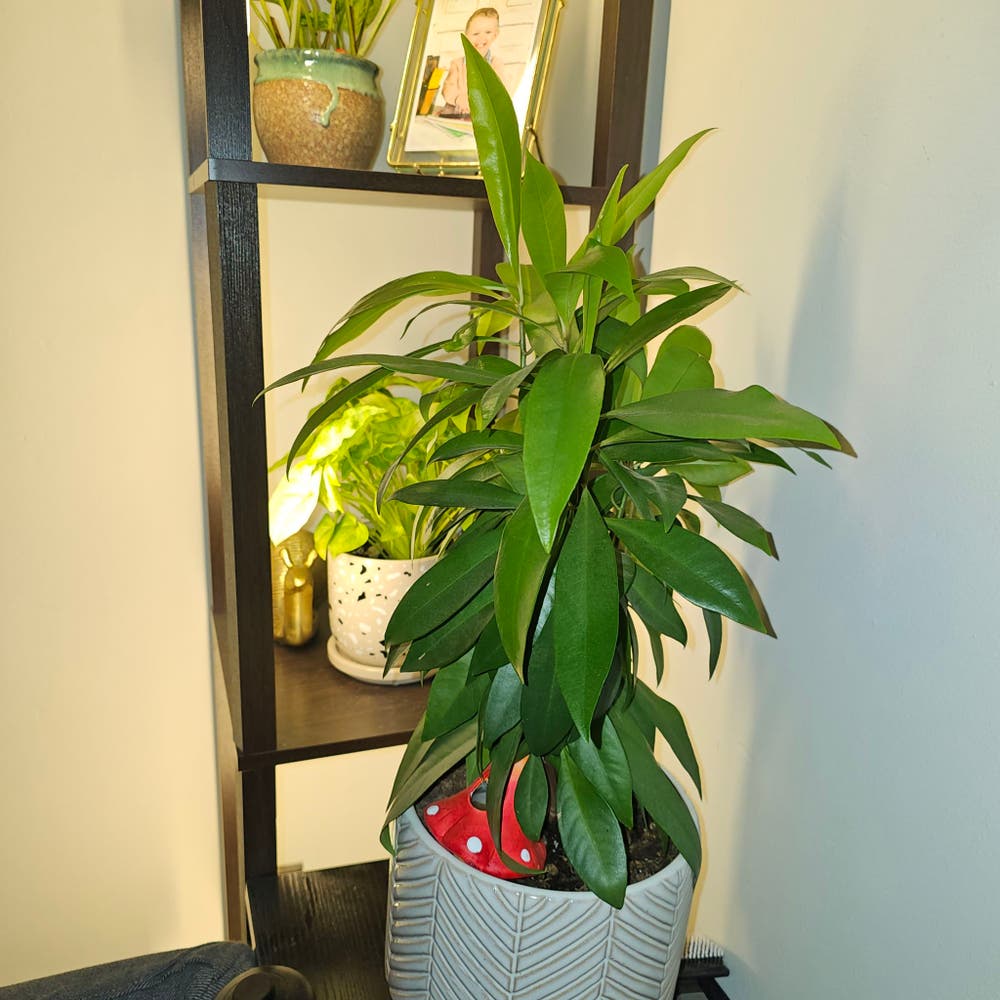
Why Is My Christmas Berry Not Doing Well?
Ardisia crenata
By the Greg Editorial Team
Jun 18, 2024•4 min read
This article was created with the help of AI so we can cover more plants for you. May contain errors. See one? Report it here.
Nurse your Christmas Berry back to health 🌿 and shield it from future woes with this vital care guide.
- 💧 Over-watering causes root rot, under-watering leads to wilting; balance is key.
- 🌞 Light and temperature control are crucial—avoid direct sun and maintain 65°F-80°F.
- 🐞 Combat pests and diseases with good air circulation, cleanliness, and safe treatments.
Water Woes: Too Much or Too Little
💦 Over-watering
Yellowing leaves and root rot are distress flares from your Christmas Berry. If the soil feels like a wet sponge days after watering, you're in the danger zone.
🆘 SOS for soaked roots: How to dry out and recover
Stop watering—full stop. Let the soil go from swamp to dry land. If the pot's drainage is failing, mix in some gravel for grit. Mushy roots? Trim the zombie bits and give it a fresh soil start.
🏜️ Under-watering
Wilting and dry leaves signal a Christmas Berry's thirst. The soil should not be a desert.
💧 Quenching the drought: Finding the watering sweet spot
Water when the top inch of soil feels like a dry handshake—not too eager, not too standoffish. Aim for moist, like a perfectly baked cake. Keep it consistent; erratic watering is a no-go.

Light and Temperature Tango
🌞 Light Struggles
Discoloration and growth issues are the plant's way of waving a red flag. If your Christmas Berry's leaves are fading or it's starting to resemble a lanky teenager, it's time to reassess its sunbathing habits.
Let there be (the right amount of) light
Adjusting your plant's light exposure is like tuning a guitar; it needs to be just right. Rotate the plant to avoid direct sunlight that can lead to leaf scorch. If your home is more cave than greenhouse, consider a grow light to keep things bright but not blinding.
🌡️ Temperature Fluctuations
Leaf drop and wilting are your Christmas Berry's non-verbal way of saying it's either too hot or too cold. It's not being picky; it's just trying to survive.
Keeping it just right
Maintain a stable environment, steering clear of drafts and direct heat sources. Aim for a consistent temperature range, ideally between 65°F to 80°F, to keep your plant from throwing a temper tantrum.

Uninvited Guests: Pests and Diseases
🐛 Pests
Spotting the Invaders
Pests are the party crashers of the plant world, and your Christmas Berry is no exception. Visible bugs and leaf damage are dead giveaways. You might notice sticky leaves, a sign of aphids, or tiny webs, which could mean spider mites are squatting.
Booting the Bugs
To give these pests the boot, start with a gentle blast of water. If they're stubborn, escalate to insecticidal soap or neem oil—think of them as your plant's personal bouncers. For an eco-friendly twist, introduce predator mites or ladybugs to keep the peace naturally.
🦠 Diseases
Fungal Foes
Fungal infections are like that one guest who overstays their welcome. White or black spots on your plant could mean it's time to crank up the airflow and bring out the fungicide. Remember, mold and fungus don't deserve a comfy spot in your plant's life.
Root Rot
Root rot is the silent killer of the plant world. If you catch a whiff of something rotten or notice wilted shoots, it's time to act fast. This condition requires removing affected roots and repotting in fresh, well-draining soil. Be vigilant; root rot can escalate from an eyesore to a full-blown health crisis in no time.

Environmental Stress: Avoiding Extremes
🌞 Leaf Scorching
Burn notice: Your Christmas Berry's leaves might look like they've had a rough day at the beach—crispy and discolored. This is a classic case of leaf scorching. It's the plant's way of crying out for a break from the intense sun. To prevent this, relocate your plant to a spot with indirect light. If that's not possible, a shade cloth can act as a pair of sunglasses for your green buddy, filtering out those harsh rays.
🏡 Shade and shelter
Providing shade and shelter is like giving your plant a safe space from the sun's relentless bullying. Consider positioning it behind a sheer curtain or under the canopy of larger plants. Remember, though, that too much of a good thing can lead to a vitamin D deficiency for your plant, so balance is key.
🌬️ Poor Air Circulation
Stale air symptoms in your Christmas Berry could include mold growth or a general look of despair. Good air circulation is like a breath of fresh air, literally. Space out your plants to avoid creating a microclimate that's a petri dish for problems. And if you're feeling extra, a gentle fan can work wonders—just don't create a wind tunnel.
🍃 Breathe easy
To improve airflow, think of your plant's leaves as tiny lungs that need to breathe. Keep them free from dust and give them room to enjoy a little air dance. This can be as simple as not cramming your plants together or as sophisticated as installing a small fan to keep the air moving. Just remember, your plant is not trying to win a wind resistance test—it needs a gentle breeze, not a hurricane simulation.
⚠️ Safety First
This content is for general information and may contain errors, omissions, or outdated details. It is not medical, veterinary advice, or an endorsement of therapeutic claims.
Always consult a qualified healthcare professional before using any plant as food, medicine, or supplement.
Never eat any plant (or feed one to pets) without confirming its identity with at least two trusted sources.
If you suspect poisoning, call Poison Control (800) 222-1222, the Pet Poison Helpline (800) 213-6680, or your local emergency service immediately.
Spotted an error? Please report it here.
Keep your Christmas Berry thriving 🌟 by using Greg to balance watering schedules and light exposure, ensuring you sidestep over-watering and leaf scorch.