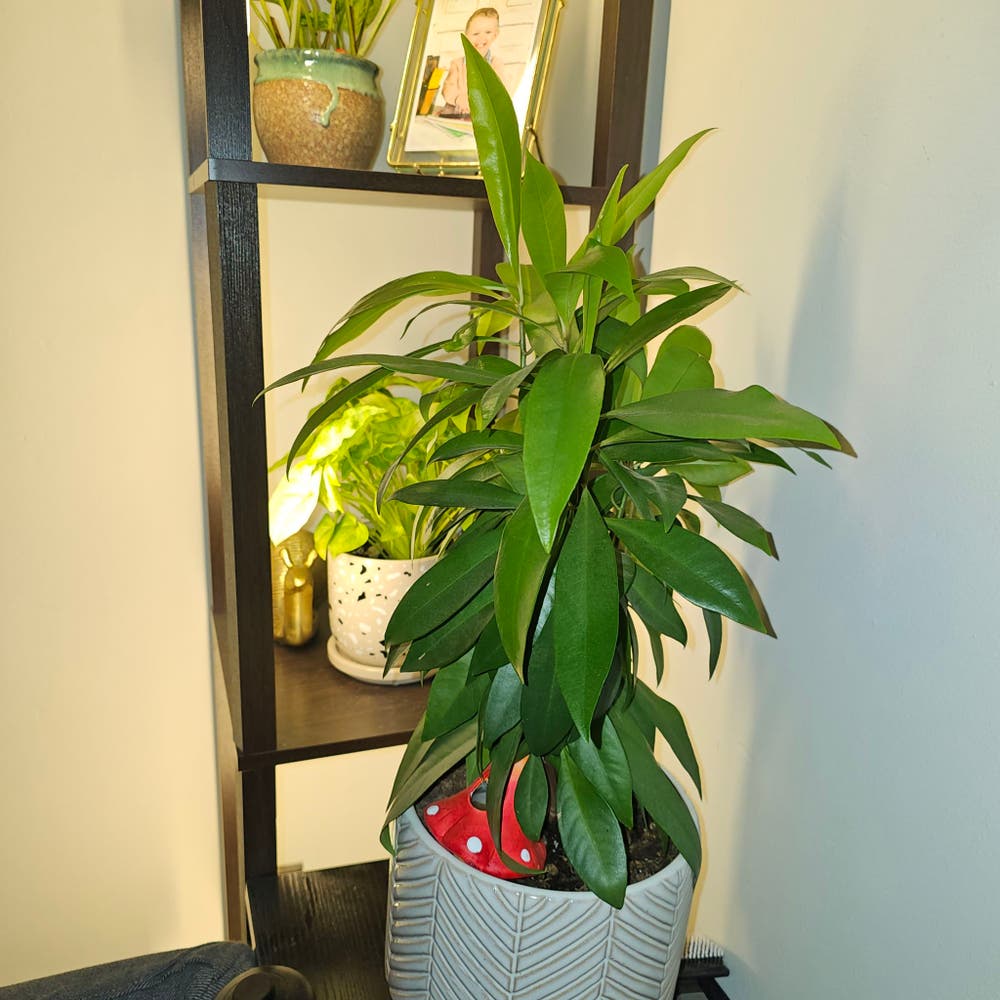
Why Are My Christmas Berry Leaves Curling?
Ardisia crenata
By the Greg Editorial Team
Jun 18, 2024•4 min read
This article was created with the help of AI so we can cover more plants for you. May contain errors. See one? Report it here.
Unravel the mystery behind your Christmas Berry's leaf curling and restore its festive cheer! 🌿🔍
- Temperature, light, and water impact leaf curling; adjust for plant health.
- Pests and diseases like spider mites and powdery mildew cause curling; use neem oil or fungicides.
- Nutrient balance is crucial; use even NPK fertilizers and test soil.
Spotting the Culprits: Common Causes of Leaf Curling
🌡️ Environmental Stressors
Extreme temperatures and improper lighting are like kryptonite for Christmas Berry plants. Temperature fluctuations cause stress, leading to leaf curling. Too much direct sunlight can scorch leaves, causing them to curl up as a shield. Conversely, insufficient light makes leaves reach out, becoming more susceptible to curling.
💡 Tips for a Stress-Free Environment
Keep your Christmas Berry in a consistent temperature range. Ensure it receives bright, indirect light to avoid the extremes of sunburn and etiolation.
🚰 Water Woes
Overwatering and underwatering are the two main watering missteps. Overwatering leads to soggy soil and yellow leaves, while underwatering results in dry soil and brown, crispy leaves. Both extremes cause leaves to curl as a distress signal.
💧 Best Watering Practices
Water your Christmas Berry when the top inch of soil is dry. Ensure the pot has adequate drainage to prevent waterlogging.
🌱 Soil and Roots: The Foundation Matters
Soil quality and drainage are pivotal in preventing leaf curling. Poor drainage can suffocate roots, causing leaves to curl.
🍃 Simple Soil Fixes
Use a well-draining soil mix to avoid water retention. Ensure the pot size is appropriate – not too big to drown the roots, not too small to cramp them.

Pests and Diseases: Unwanted Guests
🕵️ Identifying the Invaders
Spotting Common Pests
Spider mites and mealybugs are notorious for curling Christmas Berry leaves. These pests are tiny but mighty, causing damage that's anything but small. Look for webbing, a classic spider mite giveaway, or the cotton-like residue that mealybugs leave in their wake.
🦠 Recognizing Diseases
Fungal foes like powdery mildew can leave a ghostly film on leaves, while bacterial infections might present as black or brown spots. These are more than cosmetic issues; they're a threat to your plant's well-being.
💪 Fight Back: Treatment and Control
Pesticides and Fungicides
Neem oil and insecticidal soap are your first line of defense against pests. For diseases, remove affected leaves and apply a fungicide—but follow the label. Overuse can harm more than help.
🛡️ Preventative Measures
Quarantine new plants to avoid introducing diseases. Use sterilized tools to prevent cross-contamination. Regular inspections are your best defense; catch these pests early, and you can send them packing before they invite more friends.

Feeding Your Christmas Berry Right
💡 Nutrient Know-How
In the quest to prevent leaf curling, understanding nutrient balance is crucial. Christmas Berry plants can throw a fit—leaves curling and all—if they're not getting their dietary essentials. Deficiencies in key nutrients like nitrogen, phosphorus, and potassium manifest as curling leaves, a plant's silent scream for help.
Fertilizer application is a delicate dance; too much and you risk nutrient burn, too little and your plant starves. Stick to a balanced, water-soluble fertilizer with an even NPK ratio, and remember, moderation is your mantra.
💡 Soil Testing and Supplementation
Before you go playing chemist with soil amendments, test your soil. It's a straightforward step, like checking your car's oil level before adding more. This will spotlight what's missing and prevent you from fixing what isn't broken.
Once you've got the dirt on your dirt, choose fertilizers that address specific deficiencies. Apply them according to the package's gospel, and always with a gentle hand. Overzealousness with supplements is like over-salting your dinner—it ruins a good thing.
Regular soil analysis is your plant's best friend. It keeps you in the loop on what your Christmas Berry craves and what it's overdosing on. Keep an eye out for signs of overfeeding, like salt buildup or leaf burn, and adjust your approach accordingly. It's all about hitting that sweet spot where your plant thrives without the drama of curled leaves.

Turning Over a New Leaf: Recovery and Prevention
🌱 Healing the Curl
Pruning is crucial for recovery. Snip off curled, discolored, or damaged leaves at the base, avoiding healthy tissue. Post-trim, focus on hydration and temperature control to support new growth.
🌿 Keeping It Straight: Long-Term Prevention
Consistency is key in preventing leaf curling. Adjust care with the seasons and stay alert for pests. Regular soil checks and correct watering will keep your Christmas Berry thriving. Remember, vigilance is your plant's best friend.
⚠️ Safety First
This content is for general information and may contain errors, omissions, or outdated details. It is not medical, veterinary advice, or an endorsement of therapeutic claims.
Always consult a qualified healthcare professional before using any plant as food, medicine, or supplement.
Never eat any plant (or feed one to pets) without confirming its identity with at least two trusted sources.
If you suspect poisoning, call Poison Control (800) 222-1222, the Pet Poison Helpline (800) 213-6680, or your local emergency service immediately.
Spotted an error? Please report it here.
Keep your Christmas Berry leaves lush and flat 🌿 with Greg's tailored watering and care reminders, ensuring they stay healthy and pest-free!