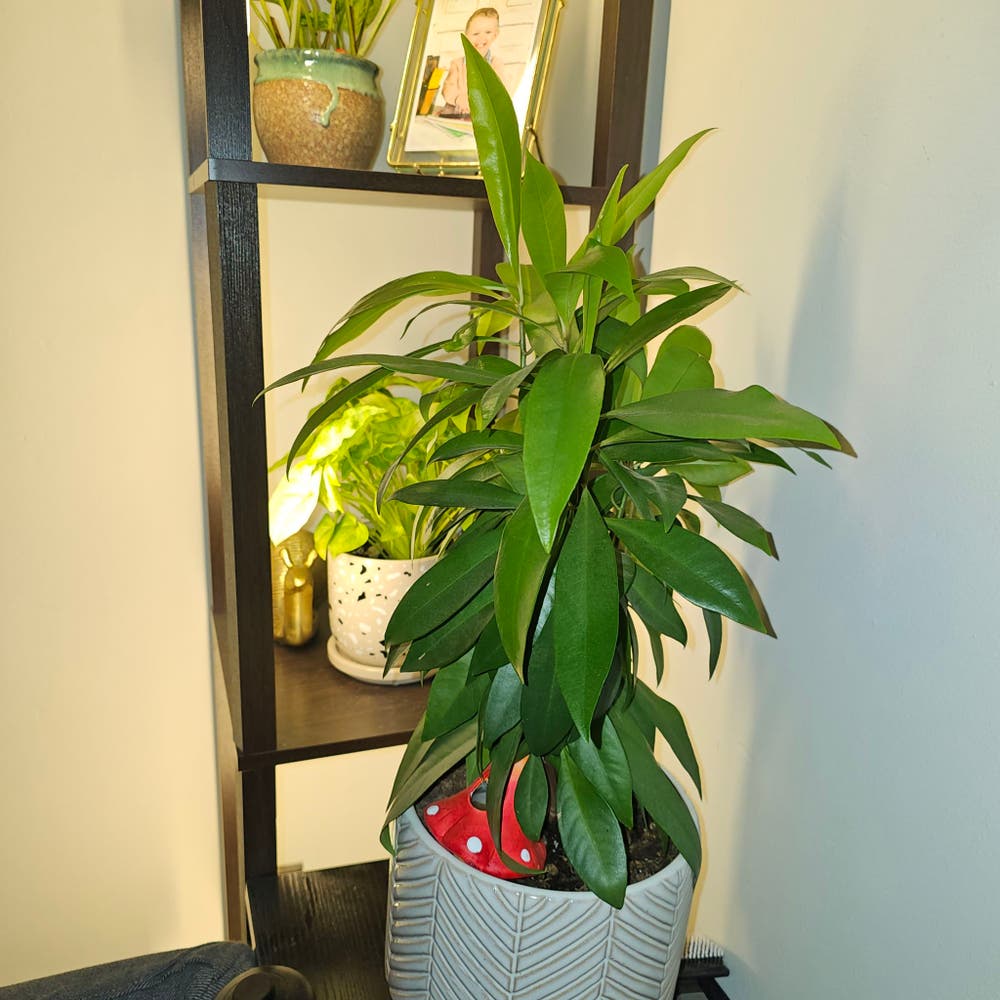
Coral Berry: A Perennial Plant
Ardisia crenata
By the Greg Editorial Team
Nov 26, 2024•6 min read
This article was created with the help of AI so we can cover more plants for you. May contain errors. See one? Report it here.
Transform your garden with Coral Berry's vibrant beauty and resilience, making maintenance a breeze! 🌱
- 🌱 Coral Berry is a resilient perennial, thriving for 3-5 years with proper care.
- 🌼 Blooms in late spring to summer, influenced by soil, sunlight, and moisture.
- 🌍 Enhances garden health by improving soil structure and supporting local ecosystems.
Characteristics of Coral Berry as a Perennial
🌱 Multi-Year Lifecycle
Coral Berry is a remarkable perennial, showcasing a lifecycle that spans multiple years. It begins with germination, followed by growth, flowering, dormancy, and ultimately regrowth, creating a continuous cycle that thrives in suitable conditions.
Typically, Coral Berry has a lifespan of several years, often ranging from 3 to 5 years or more. This longevity allows gardeners to enjoy its beauty and benefits without the need for constant replanting.
🌿 Growth Patterns and Regrowth from Roots
One of the standout features of Coral Berry is its robust root system. Established roots enable the plant to regrow vigorously each year, making it a resilient choice for gardens.
Seasonally, Coral Berry follows a predictable growth pattern. In spring, it emerges with fresh growth, followed by vibrant summer flowering. As fall approaches, the plant prepares for dormancy, conserving energy and nutrients for the next cycle.
This cyclical nature not only enhances the plant's longevity but also provides gardeners with a dynamic display throughout the seasons. Understanding these growth patterns can help you appreciate the beauty and resilience of Coral Berry in your garden.
As we delve deeper into the seasonal changes and dormancy of Coral Berry, we’ll explore how these factors influence its overall health and vitality.
Seasonal Changes and Dormancy in Coral Berry
🌱 Dormancy Periods
Coral Berry typically enters its dormancy phase in late fall, lasting until early spring. During this time, you may notice signs like wilting foliage and a significant drop in metabolic activity.
🌼 Seasonal Changes Throughout the Year
🌸 Spring: New Growth and Flowering Initiation
As temperatures rise, Coral Berry awakens from dormancy, showcasing fresh growth and the beginnings of flowering. This vibrant re-emergence is a clear signal that warmer days are ahead.
☀️ Summer: Peak Flowering and Fruiting Periods
Summer is when Coral Berry truly shines. The plant bursts into bloom, attracting pollinators and producing fruit, creating a lively garden atmosphere.
🍂 Fall: Preparation for Dormancy
As summer fades, Coral Berry prepares for its dormancy phase. It focuses on nutrient storage in its roots, ensuring it has the energy needed for the next growth cycle.
❄️ Winter: Complete Dormancy
In winter, Coral Berry enters a state of complete dormancy. This period is crucial for protecting its root systems from harsh conditions, allowing it to conserve energy until spring returns.
Understanding these seasonal changes helps gardeners appreciate the resilience and beauty of Coral Berry throughout the year. With this knowledge, you can better plan for its care and ensure a thriving garden.
Impact of Perennial Nature on Growth and Lifespan
🌸 Flowering Patterns and Longevity
Coral Berry showcases a vibrant display of flowers throughout its growing season. Typically, blooms appear in late spring and can last into the summer, depending on environmental conditions.
The duration and timing of these flowers are influenced by several factors. Soil quality, sunlight exposure, and moisture levels all play crucial roles in determining how well Coral Berry thrives and produces flowers.
⏳ Factors Influencing Lifespan
The lifespan of Coral Berry is significantly affected by environmental factors. Healthy soil, favorable climate conditions, and proper care practices can extend its life, often allowing it to flourish for several years.
However, pests and diseases can pose serious threats to longevity. Regular monitoring and proactive care are essential to mitigate these risks and ensure your Coral Berry remains healthy and vibrant for years to come.
Understanding these dynamics not only enhances your gardening experience but also helps you appreciate the resilience of this remarkable perennial. As we move forward, let’s explore the advantages that Coral Berry offers to gardeners.
Advantages for Gardeners
🌱 Benefits of Reduced Replanting
One of the standout advantages of Coral Berry is its cost-effectiveness. With this perennial plant, gardeners can significantly cut down on annual purchases, saving both money and effort.
Additionally, the time-saving aspect is a game changer. Fewer replanting sessions mean less labor, allowing you to focus on enjoying your garden rather than constantly maintaining it.
🌳 Importance of Established Root Systems
Coral Berry boasts a robust root system that enhances its resilience. This established network allows the plant to better tolerate drought and efficiently absorb nutrients.
Over time, these roots contribute to improved soil structure and health. Healthier soil leads to a thriving garden ecosystem, benefiting not just Coral Berry but all surrounding plants as well.
As you consider the advantages of Coral Berry, think about how its perennial nature can simplify your gardening experience. This plant not only beautifies your space but also supports a sustainable gardening approach.
Variations in Behavior Across Climate Zones
🌍 Behavior in Different Climates
Coral Berry is remarkably adaptable, thriving in various USDA hardiness zones. This resilience allows it to flourish in diverse climates, from the cooler northern regions to the warmer southern areas.
Growth patterns can vary significantly based on local conditions. For instance, in warmer climates, Coral Berry may experience longer flowering periods, while in cooler zones, it might enter dormancy earlier, affecting its overall lifecycle.
🌱 Adaptations to Varying Conditions
To maximize success with Coral Berry, gardeners should consider specific strategies tailored to their environment. Soil amendments can enhance nutrient availability, ensuring robust growth regardless of location.
Watering practices are crucial; adjusting frequency based on rainfall can prevent overwatering or drought stress. Additionally, mulching helps retain moisture and regulate soil temperature, promoting healthy root development across different climates.
By understanding these variations and adaptations, gardeners can effectively cultivate Coral Berry, ensuring it thrives in their unique settings. This knowledge not only enhances the plant's growth but also enriches the overall garden experience.
Maximizing Benefits in Garden Planning
Tips for Long-Term Cultivation 🌱
To ensure your Coral Berry thrives, start with proper soil preparation. A well-draining, nutrient-rich soil will set the foundation for healthy growth.
Establish a consistent watering schedule, particularly during dry spells. This helps maintain moisture levels, which is crucial for robust root development.
Regularly monitor your Coral Berry's growth. Adjust your care practices based on seasonal changes to support its lifecycle effectively.
Strategies for Incorporating in Garden Design 🌼
Consider companion planting to enhance the growth and aesthetics of Coral Berry. Pairing it with native plants can create a vibrant ecosystem that benefits all species involved.
When designing your garden, think about placement. Position Coral Berry where it can receive optimal sunlight while ensuring adequate moisture retention for its roots.
By following these tips and strategies, you can maximize the benefits of Coral Berry in your garden, creating a flourishing and resilient landscape.
⚠️ Safety First
This content is for general information and may contain errors, omissions, or outdated details. It is not medical, veterinary advice, or an endorsement of therapeutic claims.
Always consult a qualified healthcare professional before using any plant as food, medicine, or supplement.
Never eat any plant (or feed one to pets) without confirming its identity with at least two trusted sources.
If you suspect poisoning, call Poison Control (800) 222-1222, the Pet Poison Helpline (800) 213-6680, or your local emergency service immediately.
Spotted an error? Please report it here.
Nurture your Coral Berry to thrive year after year 🌼 with Greg's tailored watering reminders and soil care tips that ensure your garden remains vibrant and resilient!