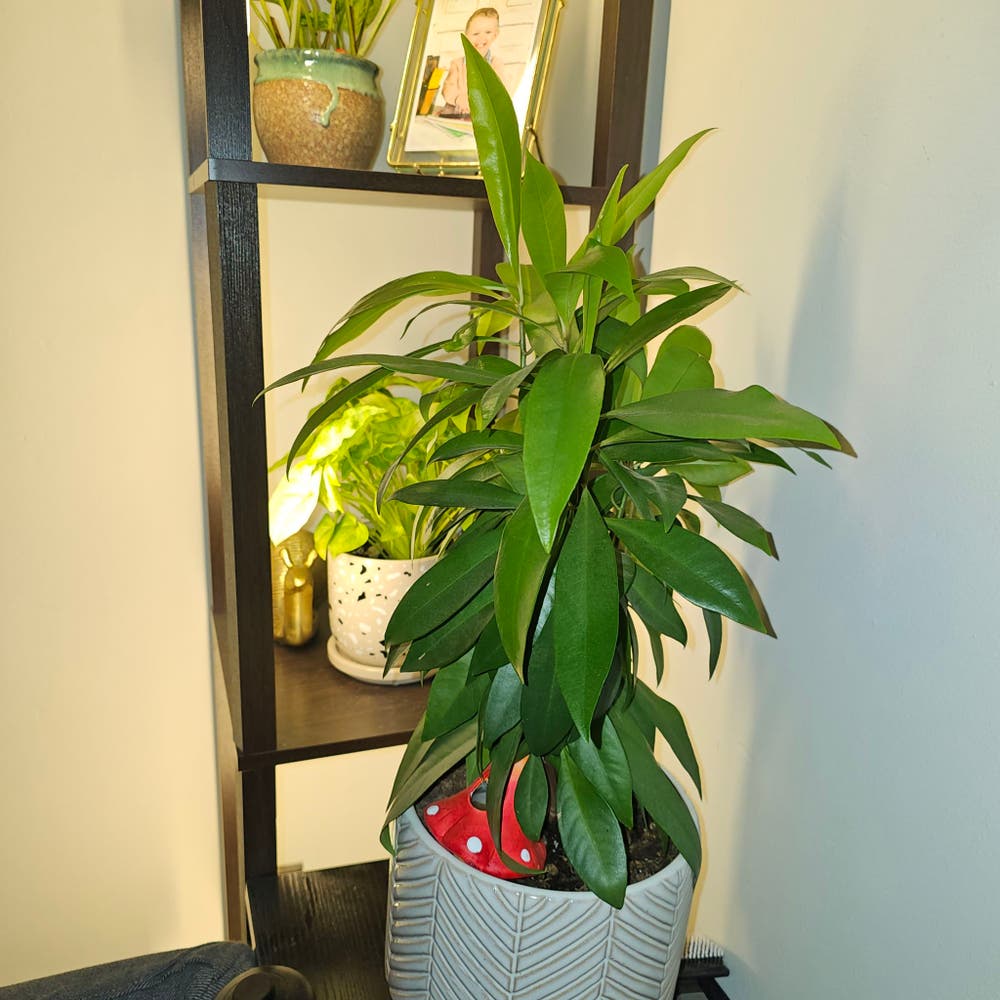
Understanding Spiceberry: The Basics 🍓
Ardisia crenata
By the Greg Editorial Team
Jan 24, 2025•12 min read
This article was created with the help of AI so we can cover more plants for you. May contain errors. See one? Report it here.
Discover how to cultivate thriving spiceberry plants 🌱 for beauty, wildlife, and delicious berries in your garden!
- 🌱 Spiceberry thrives in shade with moist, well-drained soil for optimal growth.
- 🍇 Edible berries can be used in jams, but caution: they’re toxic if ingested raw.
- 🌳 Regular pruning and watering are essential for healthy spiceberry plants.
How to Grow
Choosing a Location 🌳
To thrive, spiceberry prefers partial to full shade and moist but well-drained soil. Whether you’re planting outdoors or in containers, ensure the location meets these ideal conditions for optimal growth.
Soil Preparation 🏞️
Spiceberry flourishes in rich, loamy soil that offers excellent drainage. Aim for a pH level between 6.0 and 7.0, which is slightly acidic to neutral, to create the best environment for your plants.
Planting Techniques 🌱
The best time to plant spiceberry is in early spring or fall. When planting outdoors, space your plants 3 to 6 feet apart to allow for healthy growth and air circulation.
Watering Requirements 💧
Regular watering is essential to maintain soil moisture, especially during dry spells. Watch for signs of overwatering, like yellowing leaves, or underwatering, such as wilting, to keep your plants healthy.
Fertilizing Schedule 🌼
Using organic compost or a balanced NPK fertilizer is recommended for spiceberry. Apply fertilizer in early spring, just before new growth begins, to give your plants a nutrient boost.
Pruning Methods ✂️
Prune spiceberry in late winter or early spring to remove dead or damaged branches. This not only promotes healthy growth but also helps shape the plant for aesthetic appeal.
Ongoing Care 🕵️♂️
Keep an eye out for pests and diseases that may affect your spiceberry. Adjust your watering and fertilization practices based on the growth stage to ensure your plants remain robust and vibrant.
With these tips, you're well on your way to cultivating healthy spiceberry plants. Next, let’s explore how to propagate them effectively!
Propagation
🌱 Seed Propagation
Collecting seeds from spiceberry is best done in late summer when the berries are ripe. Harvest them carefully to ensure you have a good yield for germination.
For germination, spiceberry seeds require cold stratification, which means they need to be exposed to cold temperatures for 30-60 days. This process mimics natural winter conditions, helping to break dormancy and promote sprouting.
✂️ Cutting Propagation
When propagating through cuttings, select healthy stems that are 4-6 inches long. Make sure to choose cuttings from vigorous plants to increase your chances of success.
Use a rooting medium that combines peat and perlite for optimal drainage and aeration. This mix encourages healthy root development and helps prevent rot.
🌿 Layering Techniques
Layering is a simple yet effective propagation method. It involves bending a branch to the ground and covering it with soil, allowing it to root while still attached to the parent plant.
Timing is crucial for successful layering; early spring or fall are the best seasons to undertake this method. This ensures that the plant has the right conditions to establish roots before facing harsher weather.
With these propagation techniques, you can easily expand your spiceberry collection and enjoy its many benefits. Next, let’s explore the lifecycle of this fascinating plant.
Lifecycle
🌱 Lifecycle Stages
Spiceberry is a perennial shrub, meaning it lives for multiple years while continuously growing and producing. This longevity allows it to thrive in various environments, making it a resilient choice for gardeners.
🌱 Germination Process
The germination process for Spiceberry seeds typically takes 2-4 weeks under optimal conditions. Providing the right temperature and moisture levels is crucial for successful sprouting.
🌱 Seedling Stage
During the seedling stage, Spiceberry takes 1-2 years to establish strong roots. This period is vital for developing a robust foundation that supports future growth.
🌱 Vegetative Growth
After the seedling phase, Spiceberry enters its vegetative growth period, which lasts about 2-3 years. During this time, the plant focuses on growing foliage and strengthening its structure.
🌼 Flowering and Seed Production
Spiceberry begins to flower in early spring, showcasing small yellow-green flowers. Seed production occurs from late summer to early fall, ensuring the continuation of the species.
⏳ Lifespan
The overall lifespan of Spiceberry ranges from 20 to 30 years. With a moderate growth rate, it typically reaches full size within 3-5 years, providing ample time for gardeners to enjoy its beauty and benefits.
As we delve deeper into the specifics of Spiceberry, understanding its lifecycle can enhance your gardening experience and help you appreciate this remarkable plant even more.
Size
Mature Height and Spread 🌳
Spiceberry typically reaches a height of 6 to 12 feet and spreads 6 to 10 feet wide. This makes it a substantial addition to any garden, providing both privacy and a lush aesthetic.
Growth Rate and Size Variability 📏
The size of your spiceberry can vary significantly based on several factors. Soil quality, moisture levels, and light exposure all play crucial roles in determining how tall and wide your plant will grow.
Growth Conditions ☀️
When comparing growth in shaded versus sunny areas, spiceberry thrives best in partial shade. Additionally, the size of the container can impact overall dimensions; larger pots allow for more robust root development, leading to a healthier, larger plant.
Understanding these size dynamics can help you plan your garden layout effectively. With the right conditions, your spiceberry can flourish and become a stunning focal point in your landscape.
Roots
Root System Characteristics 🌱
Spiceberry features a fibrous root system complemented by a deep taproot. This combination allows the plant to access moisture and nutrients effectively.
Root Depth and Spread 📏
Typically, the root depth reaches about 2-3 feet. However, the spread can extend beyond the canopy, helping stabilize the plant in various soil conditions.
Common Root-Related Issues ⚠️
Root rot is a common concern, often caused by overwatering or poorly draining soil. Watch for signs of unhealthy roots, such as wilting or yellowing leaves, which indicate that something is amiss.
Healthy vs. Unhealthy Roots 🥦
Healthy roots are firm and white, signaling vitality. In contrast, brown, mushy roots are a clear sign of distress and require immediate attention.
Recognizing Rootbound Plants 🪴
A rootbound plant has roots that circle the pot, indicating it has outgrown its container. Solutions include repotting into a larger pot or root pruning to encourage new growth.
Understanding the root system of your spiceberry is crucial for its overall health. By monitoring root conditions and addressing issues promptly, you can ensure a thriving plant that enhances your garden.
Next, we'll explore the many benefits of growing spiceberry, from its nutritional value to its role in supporting local wildlife.
Benefits
Top 5 Benefits 🍇
Edible Berries
Spiceberry produces small, flavorful berries that are not only delicious but also packed with nutrients. These berries can be used in jams, jellies, and even desserts, making them a delightful addition to your culinary repertoire.Wildlife Attraction
This shrub is a magnet for wildlife, providing food and habitat for various birds and beneficial insects. By planting spiceberry, you contribute to a thriving ecosystem in your garden.Medicinal Properties
Historically, Native Americans utilized spiceberry for its medicinal qualities. It has been used in herbal remedies to treat various ailments, showcasing its value beyond just aesthetics.Aesthetic Appeal
With its attractive foliage and delicate flowers, spiceberry enhances the beauty of any landscape. Its vibrant presence can elevate your garden's visual appeal throughout the seasons.Erosion Control
Spiceberry plays a crucial role in stabilizing soil, especially in moist areas. Its robust root system helps prevent erosion, making it an excellent choice for environmentally conscious gardeners.
Cultural Significance 🌿
Spiceberry holds a special place in the cultural heritage of Native Americans, who have historically used it for food and medicine. Its significance extends into local folklore, symbolizing resilience and the interconnectedness of nature. By incorporating spiceberry into your garden, you not only enjoy its benefits but also honor its rich history and cultural importance.
As we explore the next section, we'll delve into the fascinating world of companion plants that thrive alongside spiceberry, enhancing your gardening experience even further.
Companion Plants
🌱 Companion Planting
Companion planting is a gardening technique that enhances plant health and productivity. It promotes pest management, improves growth, and increases garden diversity.
🌼 Best Companion Plants
When selecting companions for spiceberry, consider ferns, wildflowers, and other native shrubs. These plants share similar care needs and can deter pests, creating a harmonious garden ecosystem.
🚫 Plants to Avoid
Be cautious of invasive species that compete for resources. These plants can hinder the growth of spiceberry and disrupt the balance of your garden.
Companion planting not only benefits spiceberry but also enriches your entire garden. By choosing the right partners, you can create a thriving environment that supports both plants and wildlife.
Toxicity to Humans
Toxic Parts 🌿
Spiceberry plants contain toxic components primarily in their berries and leaves. It's crucial to recognize these parts to avoid accidental ingestion.
Symptoms of Toxicity 🤢
If consumed, the common symptoms of spiceberry toxicity include nausea, vomiting, and abdominal pain. These reactions can vary in severity depending on the amount ingested.
Routes of Exposure 🚪
Exposure can occur through several routes: ingestion of the berries or leaves, skin contact with the plant, or inhalation of smoke from burning the plant material. Awareness of these routes can help prevent accidental poisoning.
When to Seek Medical Care 🚑
In cases of suspected poisoning, immediate medical attention is essential. Prompt action can significantly improve outcomes and ensure safety.
Toxicity to Dogs
Toxic Parts for Dogs 🐶
Spiceberry can pose a risk to dogs, particularly its berries and leaves. These parts contain compounds that can lead to toxicity if ingested.
Symptoms of Poisoning 🤢
If a dog consumes any part of the spiceberry plant, watch for symptoms like vomiting, drooling, and weakness. These signs indicate that your furry friend may be experiencing a reaction.
Routes of Exposure 🚪
Dogs typically become exposed to the toxic elements through ingestion of the plant material or sap. It's essential to monitor their behavior around these plants.
Prevention Measures 🛡️
To keep your dog safe, supervise them during outdoor time, especially in areas where spiceberry grows. Additionally, consider removing these plants from your garden to eliminate any risk.
By taking these precautions, you can enjoy your garden while ensuring your dog's safety.
Toxicity to Cats
Toxic Parts for Cats 🐱
Spiceberry plants contain toxic parts, specifically the berries and leaves. It's crucial for cat owners to be aware of these components to keep their furry friends safe.
Symptoms of Poisoning 🤢
If a cat ingests these toxic parts, it may exhibit symptoms such as vomiting, diarrhea, and tremors. Recognizing these signs early can make a significant difference in treatment.
Routes of Exposure 🚪
Cats can be exposed to the toxins through ingestion or by coming into contact with the sap. Awareness of these routes can help prevent accidental poisoning.
Prevention Measures 🛡️
To safeguard your cat, keep them indoors and monitor their outdoor time. Creating a safe environment is key to preventing any unfortunate encounters with spiceberry plants.
Problems
Common Problems 🌱
Growing Spiceberry can be rewarding, but it comes with its share of challenges. Here are some common problems to watch out for:
Incorrect Watering
Both overwatering and underwatering can stress your Spiceberry. Signs of overwatering include yellowing leaves and root rot, while underwatering often leads to wilting and dry, crispy leaves.
Incorrect Light Conditions
Spiceberry thrives in partial to full shade. Too much sunlight can scorch the leaves, while insufficient light can stunt growth, leading to leggy plants.
Diseases
Fungal issues, such as powdery mildew, can plague your Spiceberry. Look for white, powdery spots on leaves, which indicate a need for immediate attention.
Root Problems
Healthy roots are crucial for plant vitality. Signs of root rot include mushy roots and wilting, while squishy roots can signal overwatering or poor drainage.
Leaf Issues
Leaf health is a direct reflection of plant care. Scorched leaves often indicate too much sun exposure, while yellowing leaves can suggest nutrient deficiencies or watering issues.
Identifying Symptoms 🔍
Recognizing symptoms early can save your Spiceberry from serious damage.
- Overwatering: Yellow leaves, wilting, and root rot.
- Underwatering: Crispy, dry leaves and drooping stems.
- Too Much Light: Scorched, brown edges on leaves.
- Too Little Light: Leggy growth and sparse foliage.
- Diseases: White spots for powdery mildew, black spots for other fungal infections.
Solutions for Common Issues 🛠️
Addressing these problems promptly can restore your Spiceberry's health.
- For Overwatering: Reduce watering frequency and improve drainage.
- For Underwatering: Increase watering, ensuring consistent moisture.
- For Light Issues: Move the plant to a more suitable location.
- For Diseases: Remove affected leaves and apply fungicides if necessary.
- For Root Problems: Check drainage and repot if roots are unhealthy.
By staying vigilant and responsive to these common issues, you can ensure your Spiceberry thrives. Next, let’s explore the fascinating world of pests that might also affect your plant.
Bugs
Potential Pest Issues 🐜
Spiceberry plants can face a variety of pest challenges. Understanding their resistance and susceptibility is key to maintaining healthy growth.
Identification of Common Pests 🔍
Common pests that may invade your spiceberry include:
- Spider Mites: Tiny, spider-like creatures that thrive in dry conditions.
- Aphids: Small, soft-bodied insects that cluster on new growth.
- Whiteflies: Tiny, white-winged insects that can cause significant damage.
Identifying these pests early can save your plants from serious harm.
Damage Caused by Pests ⚠️
Pests can wreak havoc on spiceberry health. Look for signs like:
- Yellowing Leaves: Often a result of aphid feeding.
- Webbing: A telltale sign of spider mites.
- Stunted Growth: Caused by overall pest infestations.
These symptoms can lead to weakened plants and reduced berry production.
Treatment Options 💊
Managing pests effectively involves a mix of strategies. Consider these treatment options:
- Organic Treatments: Neem oil and insecticidal soap can help control infestations without harming beneficial insects.
- Chemical Treatments: Use sparingly and follow instructions carefully to minimize environmental impact.
Regular monitoring and prompt action can keep your spiceberry thriving and pest-free.
What Eats Spiceberry
Common Animals 🦌
Spiceberry plants attract a variety of wildlife. Common visitors include deer, rabbits, squirrels, and rodents, all of which enjoy the tasty berries and foliage.
Signs of Animal Presence 🐾
Identifying animal activity around your spiceberry can be straightforward. Look for tracks, droppings, and chewed foliage, which are clear indicators that your plant has caught the attention of local critters.
Types of Damage 🌿
The damage caused by these animals can vary. You might notice missing leaves, stripped branches, or even the complete consumption of berries, which can hinder the plant's growth and fruit production.
Deterrent Methods 🚫
To protect your spiceberry, consider both chemical and organic deterrent methods. Chemical repellents can be effective, but many gardeners prefer organic options like garlic spray or planting companion plants that deter herbivores naturally.
By employing these strategies, you can enjoy your spiceberry without sharing too much with the local wildlife.
⚠️ Safety First
This content is for general information and may contain errors, omissions, or outdated details. It is not medical, veterinary advice, or an endorsement of therapeutic claims.
Always consult a qualified healthcare professional before using any plant as food, medicine, or supplement.
Never eat any plant (or feed one to pets) without confirming its identity with at least two trusted sources.
If you suspect poisoning, call Poison Control (800) 222-1222, the Pet Poison Helpline (800) 213-6680, or your local emergency service immediately.
Spotted an error? Please report it here.
Grow thriving spiceberry shrubs 🌱 with Greg's tailored watering alerts and expert tips to enjoy delicious berries and attract wildlife to your garden!