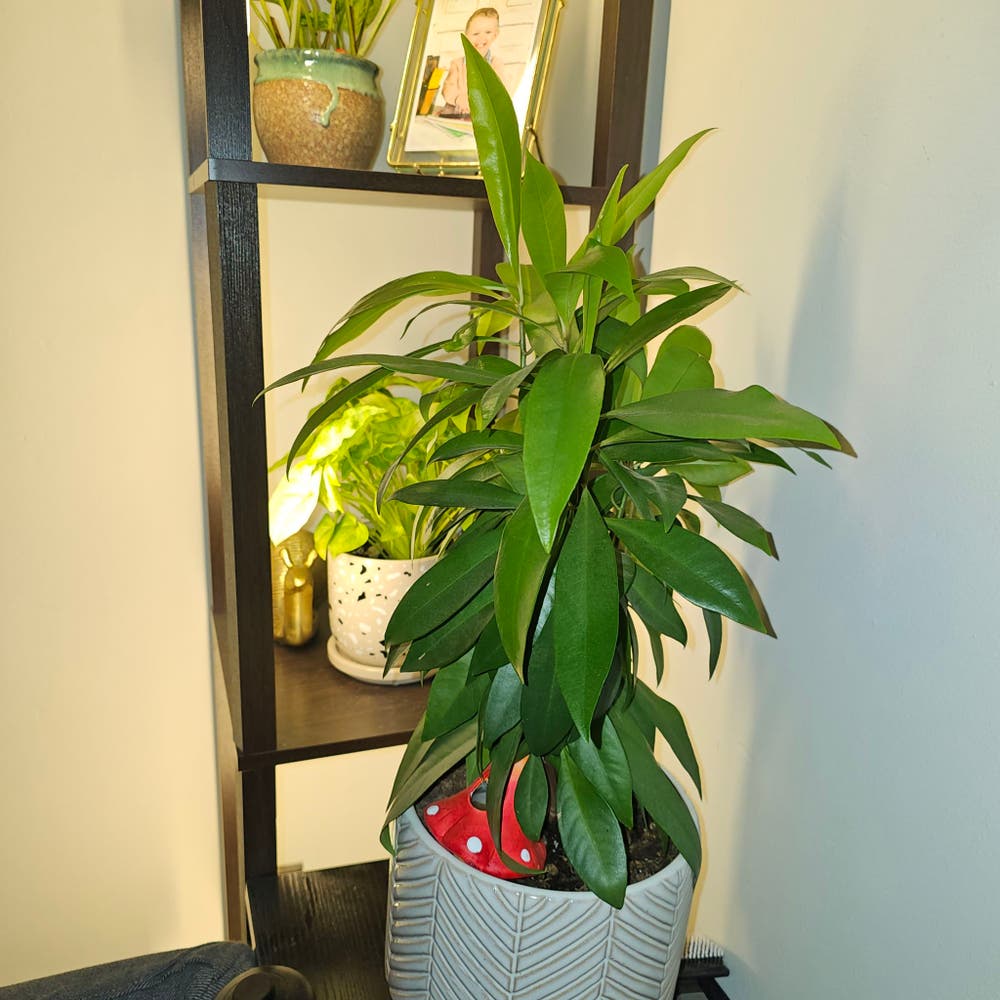
Why Does My Christmas Berry Have Yellow Leaves?
Ardisia crenata
By the Greg Editorial Team
Jun 18, 2024•3 min read
This article was created with the help of AI so we can cover more plants for you. May contain errors. See one? Report it here.
Turn yellow leaves green and ensure a vibrant Christmas Berry with these expert fixes! 🌿✨
- Nutrient deficiencies cause yellowing; soil tests and supplements can help.
- Water carefully—check soil's top inch and ensure good drainage.
- Stable environment is key; avoid temperature extremes and provide bright, indirect light.
Pinpointing the Culprits Behind Yellow Leaves
💡 Nutrient Shortfalls
Yellowing leaves on your Christmas Berry could be screaming for nutrients. Nitrogen deficiency turns older leaves yellow, while iron deficiency targets the young ones with yellowing between the veins. Magnesium shortage? Expect a general fade to yellow.
To diagnose, a soil test is your best friend. For nitrogen, think balanced fertilizer. Iron issues? Chelated iron supplements are your go-to. And for magnesium, Epsom salts can do wonders.
🚰 Water Woes
Overwatering makes leaves limp and soil soggy. Underwatering, on the other hand, leaves them dry and crispy. It's a classic case of too much love or neglect.
To perfect your watering technique, check the soil's top inch; if it's dry, it's time to water. Ensure good drainage to avoid root rot – it's like ensuring your plant's feet don't stay wet.
🌞 Environmental Stressors
Your Christmas Berry is no fan of the extreme. Too hot or too cold, and the leaves will protest by turning yellow. Improper lighting? It's like putting on sunglasses indoors – not enough light leads to pale leaves.
To adjust, keep temperatures consistent and lighting indirect but bright. Think of it as creating a cozy nook with the perfect mood lighting for your plant's everyday living.

Quick Fixes for Yellow Leaves
🌿 Immediate Actions
When your Christmas Berry's leaves start to yellow, it's time for some plant first aid. Pruning is your go-to move. Snip off the yellow or damaged leaves to redirect energy to healthier growth. Remember to use sterilized shears to prevent the spread of disease.
🌱 Long-Term Solutions
For a long-lasting green canopy, reassess your plant care routine. Ensure you're using a balanced fertilizer to address potential nutrient deficiencies. Regularly check the soil moisture and adjust your watering habits to avoid both swampy and parched conditions. Keep an eye on environmental factors like light and temperature, which can stress your plant and cause yellowing. Implement these practices and watch your Christmas Berry thrive.

Preventing Future Flare-Ups
🌱 Soil and Fertilization Strategies
Well-draining soil is a must for Christmas Berry plants. Opt for a mix rich in organic matter, like coco coir, and ensure proper drainage with additives like perlite or vermiculite. Skip the yearly fertilizer if you're refreshing the potting soil annually; this should suffice for nutrient needs. However, if you're not repotting, a gentle organic fertilizer every few months can keep your plant topped up on nutrients.
💧 Watering Regimen Refinement
Christmas Berry plants prefer their soil to dry out between waterings. Establish a consistent watering schedule, adjusting for seasonal changes in plant growth and indoor heating or cooling. Overwatering is a common pitfall, so when in doubt, check the soil moisture before giving your plant a drink.
🌞 Environmental Control
Create an ideal microclimate for your Christmas Berry by monitoring temperature and light. These plants thrive in stable conditions, so avoid placing them near drafty windows or heating vents. If you're in a less sunny spot, consider grow lights to supplement natural light. And remember, a stable environment keeps your plant stress-free and its leaves a vibrant green.

⚠️ Safety First
This content is for general information and may contain errors, omissions, or outdated details. It is not medical, veterinary advice, or an endorsement of therapeutic claims.
Always consult a qualified healthcare professional before using any plant as food, medicine, or supplement.
Never eat any plant (or feed one to pets) without confirming its identity with at least two trusted sources.
If you suspect poisoning, call Poison Control (800) 222-1222, the Pet Poison Helpline (800) 213-6680, or your local emergency service immediately.
Spotted an error? Please report it here.
Revive your Christmas Berry's vibrancy and prevent yellow leaves by letting Greg tailor a flawless 🌱 care schedule, ensuring your greenery thrives!