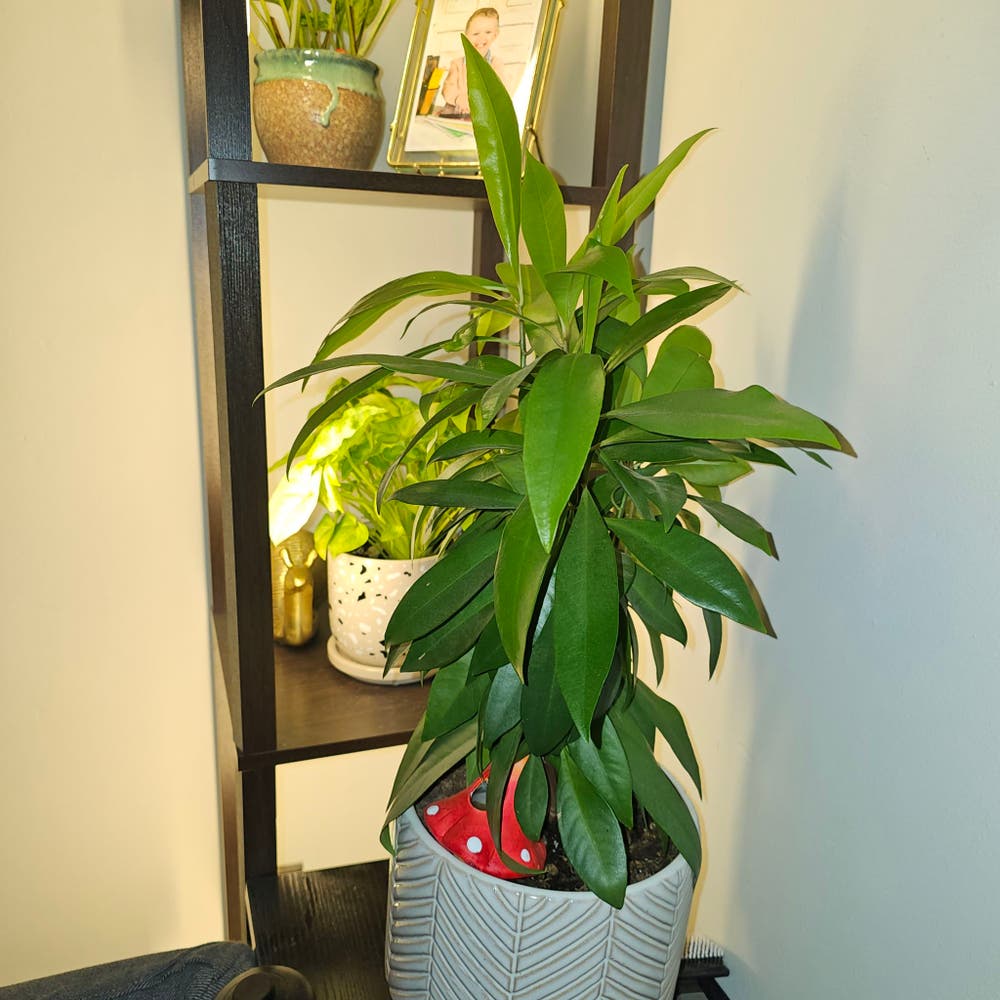
Best Climate for Coral Berry: Zones 8a-11b ☀️
Ardisia crenata
By the Greg Editorial Team
Nov 26, 2024•5 min read
This article was created with the help of AI so we can cover more plants for you. May contain errors. See one? Report it here.
Unlock the secret to thriving Coral Berry 🌱 by mastering its temperature tolerance and ideal growing conditions!
- 🌡️ Coral Berry thrives in USDA zones 8a-11b, ideal for warmer climates.
- ❄️ Frost protection is crucial; cover plants or choose sheltered spots during cold snaps.
- 🌊 Microclimates enhance growth; consider local conditions for optimal Coral Berry cultivation.
Temperature Tolerance
❄️ Cold Tolerance Specifics
Coral Berry can withstand cold temperatures down to approximately 10°F (-12°C). However, frost can pose a significant threat, potentially damaging the plant and impacting its growth.
To mitigate frost damage, gardeners can employ several recovery strategies. Covering plants during cold snaps or selecting sheltered locations can help protect Coral Berry from harsh winter conditions.
☀️ Heat Tolerance Specifics
On the flip side, Coral Berry thrives in warmer climates, showcasing impressive heat tolerance. During summer months, it can endure temperatures well above average, making it a resilient choice for gardeners in hotter regions.
This adaptability allows Coral Berry to flourish even in the sweltering heat, provided it receives adequate moisture and care.
🌡️ Impact of Temperature Extremes
Extreme cold can severely affect Coral Berry's growth and berry production. When temperatures dip too low, the plant may struggle to produce fruit, leading to a disappointing harvest.
Conversely, prolonged heat can also take a toll on plant health and berry quality. Excessive heat may cause stress, resulting in smaller berries and reduced overall vigor. Understanding these temperature extremes is crucial for successful Coral Berry cultivation.
As we explore the ideal growing regions for Coral Berry, it’s essential to consider how temperature tolerance plays a pivotal role in selecting the right environment for this vibrant plant.
Ideal Growing Regions
🌍 Examples of US States in Suitable Zones
Coral Berry thrives in several states across the U.S., particularly in California, Texas, Florida, and parts of the Southeast. In California, regions like Southern California offer the perfect blend of warmth and mild winters, while Texas showcases areas such as the Hill Country that provide ideal conditions for growth.
🌡️ Factors Contributing to Ideal Conditions
The climate in these regions features mild winters and warm summers, which are essential for Coral Berry's health. Additionally, well-draining soil types, such as sandy loam, support robust root systems and prevent waterlogging, which can be detrimental to the plant.
📊 Comparison of Regions Within Suitable Zones
Even within suitable zones, climate and soil conditions can vary significantly. For instance, while Florida's coastal areas benefit from humidity and rich soils, the drier regions of Texas may require more attention to irrigation practices to ensure healthy growth.
Understanding these local variations is crucial for gardeners aiming to cultivate Coral Berry successfully. By recognizing how specific conditions can influence plant health, you can tailor your gardening strategies for optimal results.
Microclimates
🌍 Definition and Significance
Microclimates are localized climate zones that differ from the surrounding area. They play a crucial role in gardening, as they can create unique growing conditions that benefit specific plants like Coral Berry.
🌡️ Factors Creating Microclimates
Several factors contribute to the formation of microclimates, including elevation, proximity to water, and urban heat islands. These elements can significantly influence temperature, humidity, and light exposure, making them essential for successful gardening.
🌱 Extending the Growing Range
Microclimates can enable Coral Berry to flourish beyond its typical hardiness zones. For instance, a sheltered garden area near a body of water may maintain warmer temperatures, allowing Coral Berry to thrive even in cooler climates.
🌊 Examples of Beneficial Microclimate Effects
In coastal regions, the moderating influence of the ocean can create a milder environment for Coral Berry. Similarly, urban areas with heat-retaining materials can provide a warmer microclimate, promoting healthy growth.
📊 Case Studies of Microclimate Effects
One notable case is the cultivation of Coral Berry in San Francisco's foggy neighborhoods. The cool, moist air creates a perfect microclimate that supports vibrant growth.
🏙️ Urban vs. Rural Microclimates
Urban microclimates often experience higher temperatures due to human activity and infrastructure. In contrast, rural areas may have more natural variations, impacting Coral Berry's health and productivity differently.
Understanding microclimates can empower gardeners to optimize conditions for Coral Berry. By recognizing these localized climate variations, you can enhance your gardening success and enjoy the beauty of this resilient plant.
State-Level Suitability
🌞 Suitable States for Coral Berry
Coral Berry thrives in several states, particularly those in warmer climates. Notable states include:
- California: With its Mediterranean climate, California offers mild winters and warm summers, ideal for Coral Berry growth.
- Texas: The diverse climate ranges from humid in the east to arid in the west, providing suitable conditions for Coral Berry in many regions.
- Louisiana: The warm, humid climate supports robust growth, making it a great home for this plant.
- Florida: Known for its subtropical climate, Florida's warm temperatures and ample rainfall create a perfect environment for Coral Berry.
These states provide the warmth and moisture that Coral Berry needs to flourish, ensuring vibrant growth and abundant berry production.
❌ Unsuitable States and Challenges
Not all states are suitable for Coral Berry cultivation. States like North Dakota, Montana, and Maine present significant challenges due to their climates.
- Extreme Cold: These states experience harsh winters, often dropping below the cold tolerance threshold of Coral Berry.
- Short Growing Seasons: The limited warm months restrict the plant's ability to thrive and produce fruit.
- Frost Risks: Late frosts can damage young plants, further complicating successful cultivation.
These climatic challenges make it difficult for Coral Berry to establish and grow in these regions.
🥶 Specific Challenges in Unsuitable States
Cold temperatures and frost present significant hurdles for Coral Berry in unsuitable states.
- Growth Inhibition: Prolonged exposure to freezing temperatures can stunt growth and reduce berry production.
- Frost Damage: Young plants are particularly vulnerable to frost, which can kill off new growth and delay recovery.
For gardeners in these areas, considering alternative plants that are more suited to the local climate is essential. Additionally, exploring microclimate strategies, such as planting in sheltered areas or using protective coverings, can help mitigate some of these challenges.
Understanding these factors can empower gardeners to make informed decisions about their planting choices, ensuring a successful gardening experience.
⚠️ Safety First
This content is for general information and may contain errors, omissions, or outdated details. It is not medical, veterinary advice, or an endorsement of therapeutic claims.
Always consult a qualified healthcare professional before using any plant as food, medicine, or supplement.
Never eat any plant (or feed one to pets) without confirming its identity with at least two trusted sources.
If you suspect poisoning, call Poison Control (800) 222-1222, the Pet Poison Helpline (800) 213-6680, or your local emergency service immediately.
Spotted an error? Please report it here.
Grow vibrant Coral Berry 🌿 by using Greg's tailored care reminders and tips to navigate your local climate challenges for optimal success!