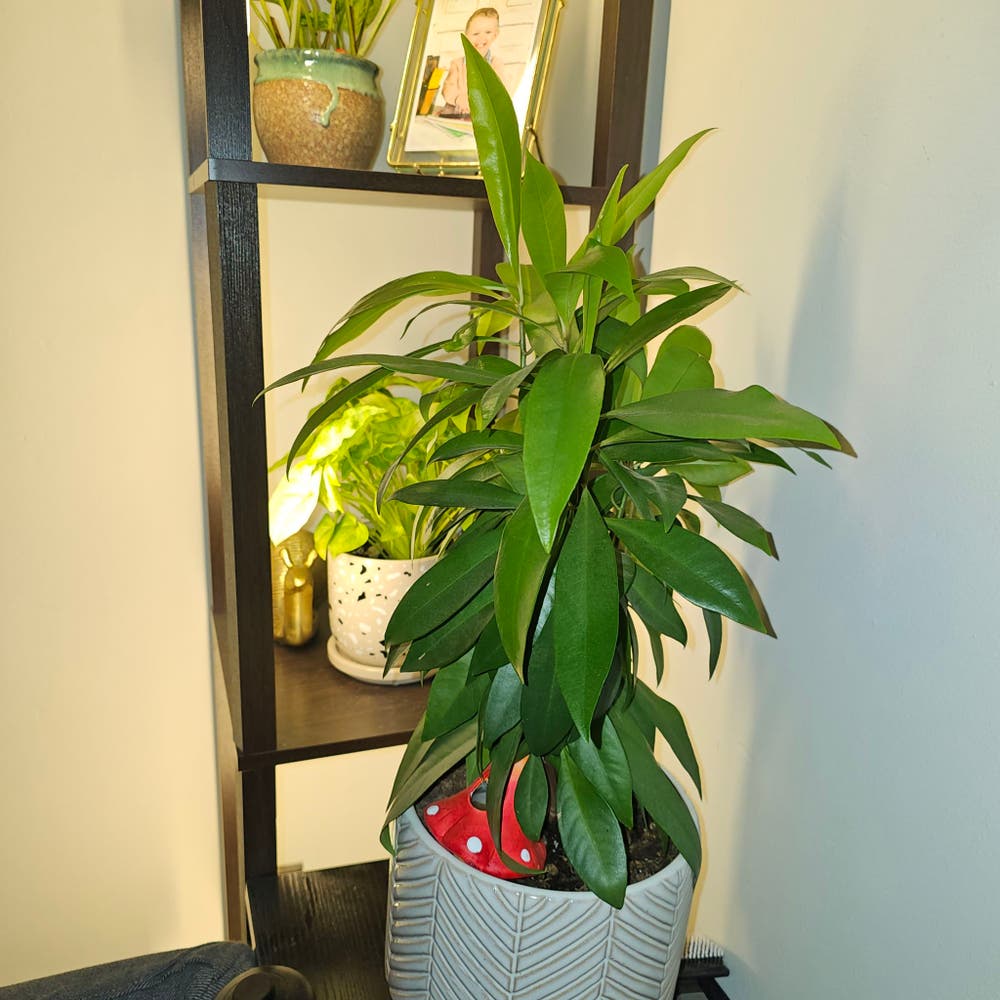
What to Do About Coral Berry Root Rot 🍓
Ardisia crenata
By the Greg Editorial Team
Nov 26, 2024•5 min read
This article was created with the help of AI so we can cover more plants for you. May contain errors. See one? Report it here.
Rescue your Coral Berry from root rot and watch it thrive again with these essential tips! 🌱✨
- 🌱 Identify root rot symptoms early: yellowing leaves, wilting, and stunted growth.
- 🔍 Diagnose root rot by inspecting roots for black, mushy areas after removing the plant.
- 🛠️ Treat root rot by pruning affected roots, disinfecting tools, and repotting in fresh soil.
Identifying Root Rot Symptoms
Visual signs 🌿
Recognizing root rot early can save your Coral Berry. Look out for yellowing leaves, which often signal distress in the plant.
Another key symptom is wilting, even when you've watered adequately. This indicates that the roots are struggling to function properly.
Lastly, stunted growth is a clear sign of overall decline in plant vigor. If your Coral Berry isn't thriving, it might be time to investigate further.
Root examination techniques 🔍
To diagnose root rot, you'll need to examine the roots closely. Start by safely removing the plant from the soil; be gentle to avoid causing additional damage.
Once out, inspect the roots carefully. Healthy roots are typically firm and white, while rotting roots will appear black and mushy. This contrast is crucial for determining the next steps in treatment.
Differentiating from other issues 🕵️♂️
It's essential to differentiate root rot from other plant issues. For instance, nutrient deficiencies can mimic some symptoms of root rot, but they often present differently. Yellowing leaves from nutrient issues usually affect older leaves first, while root rot can impact the entire plant.
Additionally, pest damage can also confuse the diagnosis. Look for signs of pests, such as visible insects or webbing, to distinguish between infestations and root rot. Understanding these differences will help you take the right action for your Coral Berry's health.
With these identification techniques in hand, you're better equipped to tackle root rot effectively. Next, we'll explore how to treat this common issue and restore your plant's vitality.
Treating Root Rot
Step-by-step treatment process 🌱
Treating root rot in your Coral Berry requires careful attention and a systematic approach. Start by removing the plant from the soil, ensuring you handle it gently to avoid causing further damage.
Next, inspect the roots thoroughly. Look for black, mushy roots that indicate rot and prune these away with clean, sharp scissors.
After pruning, disinfect your tools to prevent any potential spread of infection. A simple solution of rubbing alcohol can do the trick.
Finally, repot your Coral Berry in fresh, well-draining soil. This step is crucial for giving your plant a fighting chance to recover.
Recommended fungicides and treatments 🧪
Using fungicides can be an effective way to combat root rot pathogens. Look for products specifically designed for root rot, such as those containing azoxystrobin or propiconazole.
When applying fungicides, timing is key. Follow the manufacturer's instructions for the best results, typically applying them after repotting to protect the newly exposed roots.
Importance of soil health and amendments 🌍
Soil health plays a vital role in preventing root rot. Incorporating organic matter into your soil can significantly improve drainage, which is essential for Coral Berry care.
Consider adding amendments like perlite or coarse sand to your soil mix. These components enhance aeration and drainage, creating a healthier environment for your plant to thrive.
With these treatment steps and soil health tips, your Coral Berry can bounce back from root rot and flourish once again. Next, let’s explore how to prevent root rot from occurring in the first place.
Preventing Root Rot
Best practices for watering 🌊
Establishing a consistent watering schedule is crucial for Coral Berry health. Aim to water deeply but infrequently, allowing the top inch of soil to dry out between sessions.
Recognizing signs of overwatering can save your plant from distress. Look for yellowing leaves and a soggy soil texture; if you notice these, it’s time to adjust your watering habits.
Soil composition and drainage solutions 🏞️
The ideal soil mix for Coral Berry includes components like peat, perlite, and compost. This combination ensures optimal drainage while providing necessary nutrients.
To improve soil drainage, consider techniques such as creating raised beds or adding organic amendments. These methods enhance airflow and prevent water from pooling around the roots.
Seasonal care tips 🌦️
Adjust your watering practices during wet seasons to avoid excess moisture. Monitor rainfall and reduce watering frequency accordingly to keep your Coral Berry thriving.
Mulching is another effective technique to regulate soil moisture. A layer of organic mulch helps retain moisture while preventing soil compaction and promoting healthy root growth.
By implementing these preventive measures, you can significantly reduce the risk of root rot in your Coral Berry. Next, let’s explore how to monitor the health of your plant effectively.
Monitoring Coral Berry Health
🌱 Regular checks for signs
Monitoring your Coral Berry is essential for catching issues early. Aim for weekly inspections to ensure your plant remains vibrant and healthy.
Look for key indicators of plant health, such as leaf color, growth patterns, and overall vigor. Yellowing leaves or wilting can signal distress, while lush, green foliage indicates a thriving plant.
☀️ Maintaining optimal growing conditions
Providing the right light conditions is crucial for Coral Berry. These plants thrive in full sun to partial shade, so ensure they receive adequate light without being scorched.
Temperature also plays a significant role in their health. Keep your Coral Berry in a range of 60°F to 75°F for optimal growth, avoiding extreme fluctuations that can stress the plant.
🔄 Adjusting care based on plant response
Pay attention to how your Coral Berry responds to its environment. If you notice changes in growth, such as slowed development or leaf drop, it may be time to adjust your care routine.
Flexibility is key in plant care. Be ready to modify watering schedules or light exposure based on seasonal changes or specific plant needs, ensuring your Coral Berry remains in peak condition.
By staying vigilant and responsive, you can foster a healthy environment for your Coral Berry, setting the stage for vibrant growth and resilience against potential issues. Next, let’s explore effective strategies for preventing root rot in your plants.
⚠️ Safety First
This content is for general information and may contain errors, omissions, or outdated details. It is not medical, veterinary advice, or an endorsement of therapeutic claims.
Always consult a qualified healthcare professional before using any plant as food, medicine, or supplement.
Never eat any plant (or feed one to pets) without confirming its identity with at least two trusted sources.
If you suspect poisoning, call Poison Control (800) 222-1222, the Pet Poison Helpline (800) 213-6680, or your local emergency service immediately.
Spotted an error? Please report it here.
Keep your Coral Berry thriving 🌿 by using Greg's personalized care reminders to prevent root rot and ensure optimal watering and soil conditions!