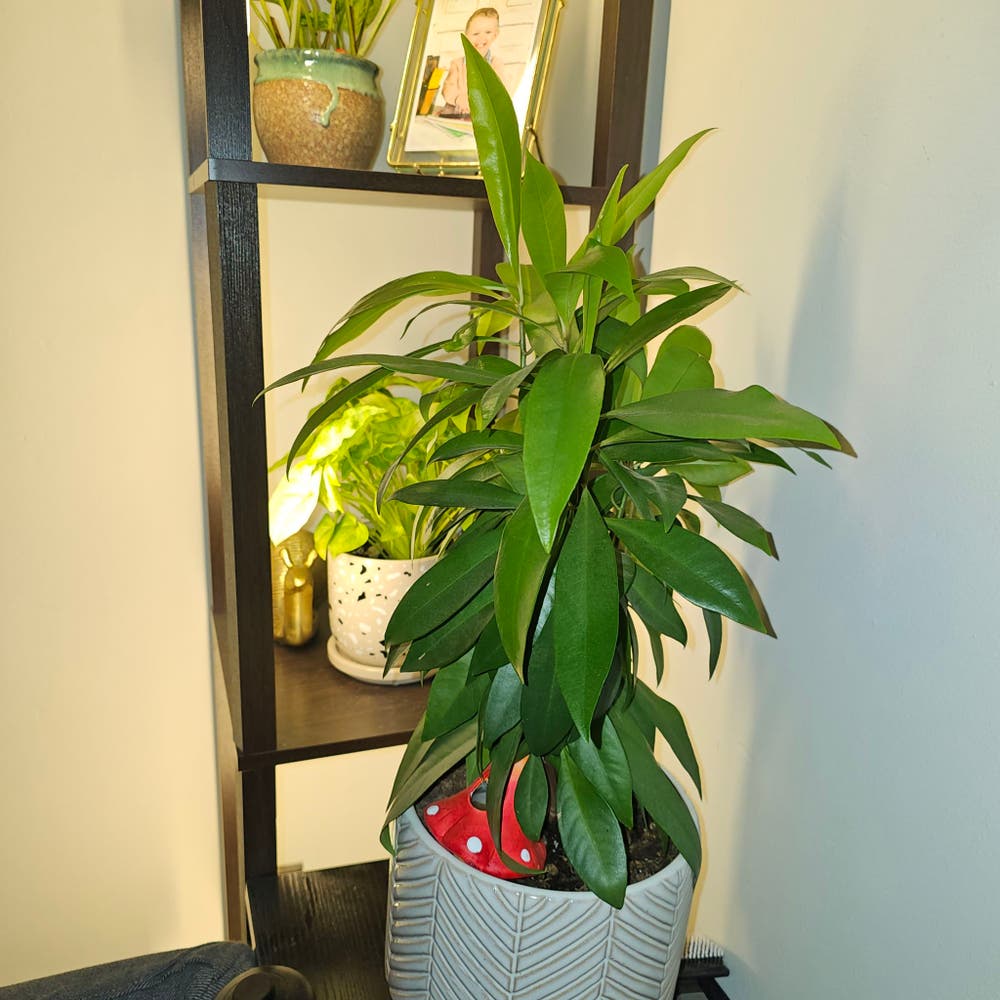
What Temperature Does My Christmas Berry Need?
Ardisia crenata
By the Greg Editorial Team
Jun 18, 2024•3 min read
This article was created with the help of AI so we can cover more plants for you. May contain errors. See one? Report it here.
Discover the secret to a vibrant Christmas Berry by nailing its ideal temperature range. 🌡️🎄✨
- 60°F to 75°F is ideal for Christmas Berry plants to thrive.
- 🍂 Watch for wilting or browning as signs of temperature stress.
- Stable temps and 50% humidity keep your festive plant healthy.
Spotting Temperature Stress in Christmas Berry
🌡️ Telltale Signs of Temperature Trouble
- Leaf wilting and browning
- Dropping flowers and fruits
Decoding the Distress Signals
- What the plant's appearance says about its temperature needs

Spotting Temperature Stress in Christmas Berry
🌡️ Telltale Signs of Temperature Trouble
When your Christmas Berry starts looking more like a Halloween decoration, it's time to take note. Leaf wilting and a browning complexion are the plant's equivalent of a mayday call. If you're witnessing a premature 'fall' season with flowers and fruits dropping faster than your New Year's resolutions, temperature stress could be the culprit.
Decoding the Distress Signals
The Christmas Berry's appearance is like a mood ring, changing with the temperature. Crispy leaves? Too hot. Mushy spots? Too cold. It's not just being dramatic; it's communicating its discomfort. Pay attention to these visual cues, and you'll be on your way to diagnosing your plant's temperature tantrums.

Keeping It Cozy: Ideal Temperature Range for Christmas Berry
🌡️ The Goldilocks Zone for Christmas Berry
60°F to 75°F (15°C to 24°C)—that's where your Christmas Berry wants to live. Not too hot, not too cold, just right. During the day, this range keeps the plant comfortable and at night, it prevents the cold from biting.
Consistency is Key
Stable temperatures are like a steady beat for a drummer—essential. Fluctuations can throw your Christmas Berry off rhythm, leading to stress and poor health. Keep it steady, and your plant will thank you with vibrant growth.

When Temperatures Take a Toll
🌡️ Feeling the Heat
Heat stress in Christmas Berry plants can manifest as wilting leaves or sunburned spots. The leaves might curl, appear bleached, or develop dry, crispy edges. To counteract heat stress, move the plant to a cooler area, away from direct sunlight. Ensure adequate watering but avoid overwatering, as this can exacerbate the issue. Providing shade during the hottest parts of the day can also be beneficial.
🥶 Chilly Repercussions
Conversely, cold stress is indicated by browning stems or stunted growth. The plant may drop its leaves as a distress call. To protect against cold, avoid placing your Christmas Berry near drafty windows or doors. If temperatures dip, consider relocating the plant to a warmer spot or using a frost blanket. Consistent temperature is crucial, so monitor your thermostat to keep the ambient temperature within the ideal range.
Quick Note on Humidity and Temperature Interplay
In the realm of Christmas Berry care, humidity and temperature are like two peas in a pod; they thrive when they're in sync. Moderate humidity acts as a buffer against the harshness of temperature swings, ensuring your plant doesn't throw a tantrum.
🌿 Humidity's Supporting Role
Humidity isn't just a background actor; it's a key player in your Christmas Berry's well-being. Aim for a steady 50% humidity level to keep your plant from drying out or becoming a fungal playground.
🌡️ Stabilizing Temperature Fluctuations
Keep a hygrometer close—it's your secret weapon. It helps you maintain that perfect humidity sweet spot, which is crucial when temperatures in your home are more unpredictable than a plot twist in a telenovela.
🌍 Real-World Implications
If the air in your home is drier than your sense of humor, consider using a humidity tray or moving your plant to a room with more moisture, like a bathroom. Just remember, as temperatures rise, your Christmas Berry might appreciate a bit more humidity, but pair cool temps with high humidity, and you're inviting trouble.
⚠️ Safety First
This content is for general information and may contain errors, omissions, or outdated details. It is not medical, veterinary advice, or an endorsement of therapeutic claims.
Always consult a qualified healthcare professional before using any plant as food, medicine, or supplement.
Never eat any plant (or feed one to pets) without confirming its identity with at least two trusted sources.
If you suspect poisoning, call Poison Control (800) 222-1222, the Pet Poison Helpline (800) 213-6680, or your local emergency service immediately.
Spotted an error? Please report it here.
Ensure your Christmas Berry is always in its ideal climate 🌡 with Greg's real-time environment tracking and custom care notifications, keeping those leaves lush and stress at bay.