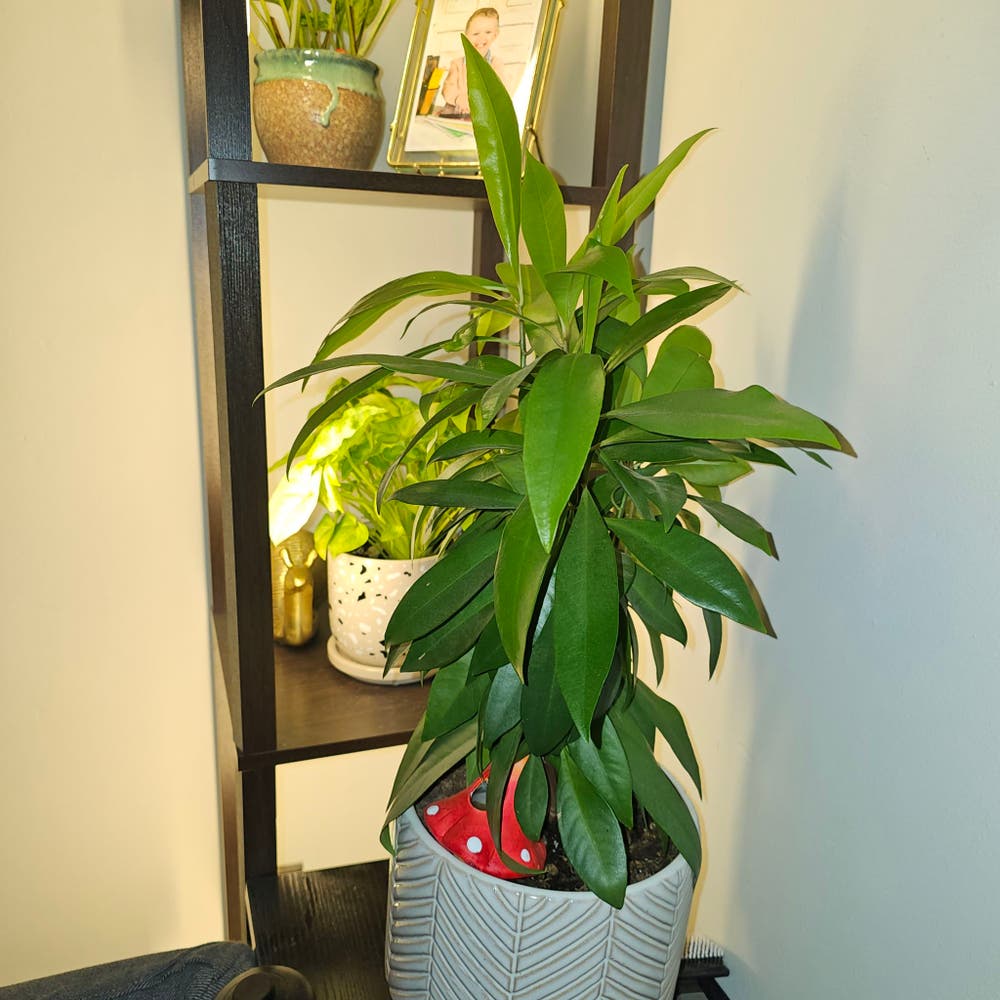
Coral Berry: Not an Annual 🍓
Ardisia crenata
By the Greg Editorial Team
Nov 26, 2024•5 min read
This article was created with the help of AI so we can cover more plants for you. May contain errors. See one? Report it here.
Transform your garden with resilient Coral Berry 🌿, a stunning plant that thrives for years and attracts wildlife!
- 🌱 Coral Berry is a perennial, thriving for 3-5 years under optimal conditions.
- 🍇 Produces vibrant berries that attract wildlife and enhance garden aesthetics.
- ❄️ Dormant in winter, Coral Berry conserves energy, re-emerging in spring.
Genetic and Physiological Characteristics
🌱 Long-term lifecycle of Coral Berry
Coral Berry typically has a lifespan of 3 to 5 years, but under optimal conditions, it can live even longer. During the winter months, it enters a period of dormancy, conserving energy until the warmer seasons return.
🌿 Growth patterns specific to Coral Berry
This plant exhibits a creeping growth habit, forming dense thickets that spread through underground rhizomes. It emerges in spring, matures throughout the summer, and prepares for dormancy as fall approaches.
🍇 Reproductive strategies
Coral Berry produces striking pink to coral-colored berries that not only add beauty but also attract wildlife. Its seeds are remarkably resilient, remaining viable for multiple seasons, which enhances the plant's chances of survival in varying conditions.
The unique characteristics of Coral Berry make it a fascinating addition to any garden. Understanding its lifecycle and growth patterns can help you appreciate its role in the ecosystem and your garden design.
Lifecycle Implications
🌱 Growth and Flowering Cycles
Coral Berry showcases a vibrant lifecycle that begins with its growth phases. In late spring, the plant bursts into life, transitioning from vegetative growth to a stunning display of flowers in summer.
As summer progresses, Coral Berry shifts focus to berry production, typically peaking in late summer. This sequence not only highlights the plant's adaptability but also its role in the ecosystem, providing food for wildlife.
🌾 Seed Production Compared to Annuals
One of the standout features of Coral Berry is its ability to produce seeds that can remain viable for several years. This trait enhances its survival, allowing it to thrive even in less-than-ideal conditions.
In contrast, annual plants complete their lifecycle in a single season, producing seeds only at the end. This often results in a one-time growth flush, making Coral Berry a more resilient choice for gardeners seeking longevity and sustainability in their landscapes.
With an understanding of Coral Berry's lifecycle, we can appreciate its unique characteristics and the advantages it brings to garden design. Next, let's explore regional variations and the common misconceptions surrounding this remarkable plant.
Regional Variations and Misconceptions
Conditions Leading to Misclassification 🌱
Coral Berry can often be misclassified due to environmental factors. Drought or poor soil conditions may stunt its growth, leading observers to mistakenly believe it is an annual plant.
In addition, seasonal behavior plays a significant role in this confusion. During harsh winters, Coral Berry may appear lifeless, but it is simply entering a dormant phase, ready to spring back to life when conditions improve.
Regional Climate Impacts 🌍
The climate in which Coral Berry grows greatly influences its behavior. In warmer climates, this resilient plant can thrive year-round, showcasing its vibrant foliage and berries.
Conversely, in colder regions, Coral Berry may exhibit traits that lead gardeners to treat it as an annual. Misunderstandings often arise when its growth patterns in less-than-ideal conditions create the illusion of a short-lived plant.
Understanding these regional variations is crucial for proper care and appreciation of Coral Berry. By recognizing its true perennial nature, gardeners can better integrate it into their landscapes, ensuring it flourishes for years to come.
Next, we will explore the advantages of incorporating Coral Berry into garden design and planning.
Garden Design and Planning
🌼 Advantages in perennial gardening
Coral Berry is a fantastic choice for perennial gardening, offering a long-term investment that pays off year after year. Its vibrant structure and color provide a consistent backdrop, making your garden visually appealing through all seasons.
Additionally, the pink to coral-colored berries produced by Coral Berry are not just pretty; they attract a variety of birds and wildlife. This not only enhances the biodiversity of your garden but also creates a lively ecosystem right in your backyard.
🌿 Tips for integrating into garden design
When it comes to planting strategies, consider using Coral Berry as ground cover or incorporating it into mixed borders. Its creeping growth habit allows it to fill spaces effectively, creating a lush, green carpet that can suppress weeds.
Companion planting is another excellent way to maximize the benefits of Coral Berry. Pair it with other perennials that thrive in similar conditions to create a harmonious garden environment. This not only enhances the aesthetic appeal but also promotes healthier plant growth through mutual support.
Incorporating Coral Berry into your garden design can lead to a thriving, vibrant space that delights both you and the local wildlife. As you plan your garden, think about how this perennial can contribute to a sustainable and beautiful landscape.
Transitioning to the next topic, let's explore the best practices for managing Coral Berry to ensure its longevity and health in your garden.
Management and Longevity
🌱 Best practices for managing Coral Berry
To keep your Coral Berry thriving, start with light pruning in early spring. This encourages new growth and helps maintain its shape.
Soil health is crucial for Coral Berry's longevity. Regularly amend the soil to ensure it remains fertile and well-drained, providing the perfect environment for growth.
⏳ Tips for maximizing longevity
Watering is essential, especially during dry spells. Ensure consistent moisture to support the plant's health and vigor.
Fertilization plays a key role in growth. Use a balanced fertilizer in early spring to give Coral Berry the nutrients it needs to flourish.
Pest management is another important aspect. Keep an eye out for common pests and diseases, and implement organic control methods as necessary to protect your plants.
By following these management practices, you can enjoy the beauty and benefits of Coral Berry for years to come. Next, let's explore how to integrate this resilient plant into your garden design effectively.
⚠️ Safety First
This content is for general information and may contain errors, omissions, or outdated details. It is not medical, veterinary advice, or an endorsement of therapeutic claims.
Always consult a qualified healthcare professional before using any plant as food, medicine, or supplement.
Never eat any plant (or feed one to pets) without confirming its identity with at least two trusted sources.
If you suspect poisoning, call Poison Control (800) 222-1222, the Pet Poison Helpline (800) 213-6680, or your local emergency service immediately.
Spotted an error? Please report it here.
Discover the enduring charm of Coral Berry 🌿 and let Greg provide tailored care tips and watering reminders to help your garden thrive through every season!