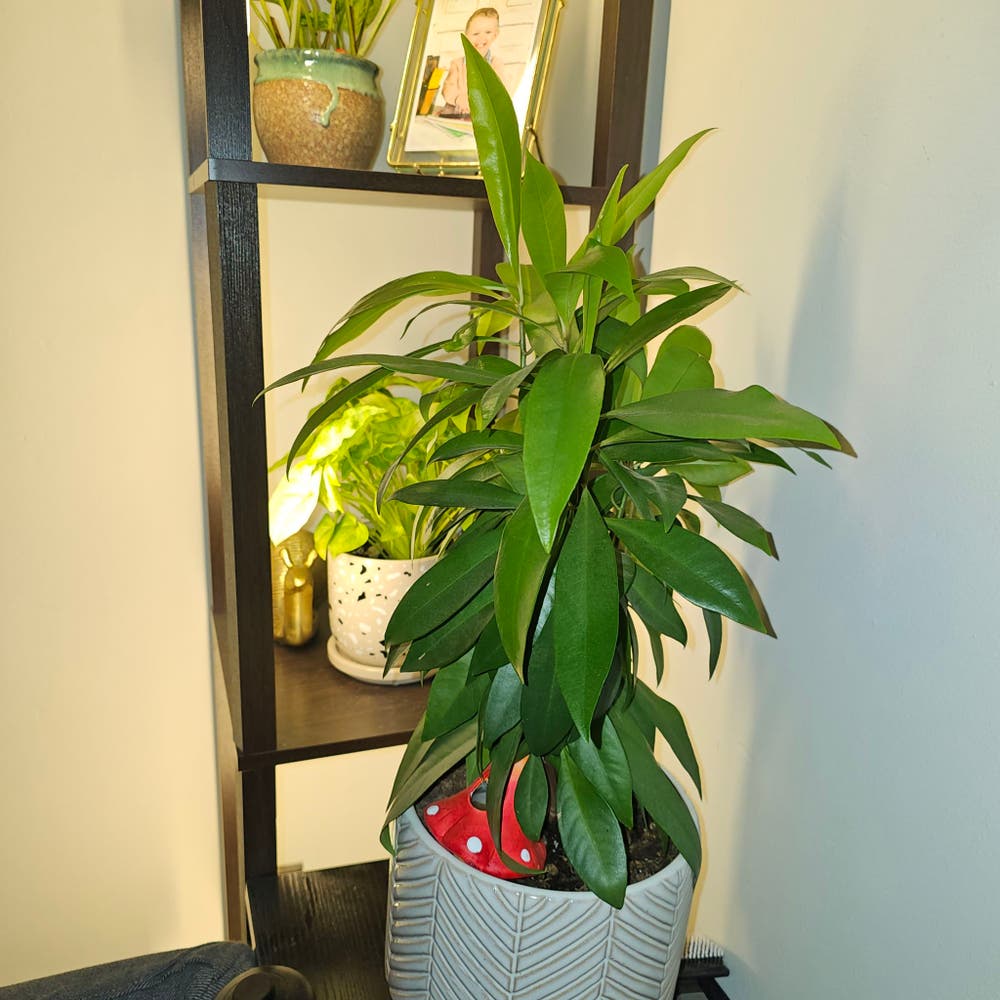
Best Tips for Coral Berry Health 🍓
Ardisia crenata
By the Greg Editorial Team
Nov 26, 2024•5 min read
This article was created with the help of AI so we can cover more plants for you. May contain errors. See one? Report it here.
Transform your Coral Berry care 🌱 with early detection tips to ensure a thriving, vibrant plant in your garden!
- 🌱 Signs of distress in Coral Berry include yellowing leaves and wilting.
- 💧 Watering issues cause yellow leaves or dryness; check soil moisture regularly.
- 🌞 Optimal light is crucial; aim for 6-8 hours of filtered sunlight daily.
Recognizing Unhealthy Coral Berry
🧐 Signs of an unhealthy plant
Coral Berry plants can show distress in various ways. Keep an eye out for yellowing leaves, which often indicate nutrient deficiencies or watering issues.
Wilting or drooping leaves are another red flag, suggesting underwatering or potential root problems. If you notice stunted growth, it may signal inadequate light or nutrient deficiencies.
Fuzzy growth on the leaves is a common sign of fungal issues, such as powdery mildew. Recognizing these symptoms early can help you take action before the problems escalate.
⏰ Importance of early detection
Identifying these signs promptly is crucial for maintaining the health of your Coral Berry. Regular inspections can save your plant from severe damage and ensure it thrives in your care.
By staying vigilant, you can enjoy a flourishing Coral Berry that adds beauty to your garden. Next, let’s explore some common problems that can affect your plant's health.
Common Problems
💧 Incorrect Watering
Identifying Overwatering and Underwatering
Watering issues are common among Coral Berry plants. Overwatering typically manifests as yellowing leaves, wilting, and root rot, while underwatering leads to dry, crispy leaves and stunted growth.
Causes of Watering Issues
Several factors can contribute to watering problems. Poor drainage or compacted soil can trap water, while inconsistent watering schedules or sudden environmental changes can disrupt moisture levels.
Steps to Resolve Watering Problems
To tackle watering issues effectively, follow these steps:
- Check soil moisture: Use a moisture meter or perform a finger test to gauge moisture levels.
- Adjust watering frequency: Water your plant when the top inch of soil feels dry.
- Improve drainage: Amend the soil with perlite or sand to enhance drainage if necessary.
💡 Incorrect Light Conditions
Symptoms of Inadequate or Excessive Light
Light conditions play a crucial role in Coral Berry health. Inadequate light results in leggy growth, sparse foliage, and fewer berries, while excessive light can cause leaf scorch, browning edges, and wilting.
Causes of Light-Related Issues
Light-related problems often stem from improper placement. Your plant might be in too shady or too bright an area, and seasonal changes can also affect light exposure.
Solutions for Light Problems
To remedy light issues, consider these solutions:
- Relocate your plant: Move it to a spot with filtered sunlight or partial shade.
- Use sheer curtains: If your plant is indoors, curtains can help diffuse harsh sunlight.
🐛 Pests
Common Pests Affecting Coral Berry
Pests can wreak havoc on your Coral Berry plants. Common culprits include aphids, small green insects that suck sap from leaves, and spider mites, which are tiny pests that spin webs and cause stippling on leaves.
Identifying Pest Infestations
Keep an eye out for signs of infestation. Visible insects on leaves or stems and sticky residue or honeydew on leaves are clear indicators of pest problems.
Treatment Options for Pest Control
To control pests, try these methods:
- Spray with insecticidal soap or neem oil: This can help eliminate pests effectively.
- Introduce beneficial insects: Ladybugs can naturally control aphid populations.
- Regularly inspect plants: Early detection is key to managing infestations.
🦠 Diseases
Symptoms of Common Diseases
Coral Berry plants can suffer from various diseases. Look for symptoms like fuzzy white growth (powdery mildew), raised rust-colored pustules (rust), blackened areas (black rot), and sudden leaf drop (blight).
Causes and Treatment Methods for Diseases
To combat diseases, focus on improving air circulation and reducing humidity. Applying fungicides as needed, following label instructions, and removing infected plant parts can also help.
🌱 Growth Problems
Identifying Growth Issues
Growth problems can be frustrating. Signs include stagnation in growth despite adequate care, lack of berries despite healthy foliage, and leaning or leggy plants indicating insufficient light or support.
Causes of Growth Problems
Growth issues often arise from inadequate light or nutrient deficiencies. Ensuring your plant receives the right conditions is crucial for its health.
How to Encourage Healthy Growth
To promote healthy growth, follow these steps:
- Ensure adequate light exposure: Aim for 6-8 hours of sunlight daily.
- Fertilize regularly: Feed your plant during the growing season to boost its health.
- Support leaning plants: Use stakes or trellises to provide necessary support.
By addressing these common problems, you can help your Coral Berry thrive and enjoy its vibrant beauty. Next, let’s explore some preventive measures to keep your plant healthy and flourishing.
Preventive Measures
Best practices for Coral Berry care 🌱
To keep your Coral Berry thriving, regularly check the soil moisture and adjust your watering routine accordingly. This simple habit can prevent both overwatering and underwatering, ensuring your plant gets just the right amount of hydration.
Monitor light conditions closely as well. If your Coral Berry isn't getting enough light, consider relocating it to a brighter spot or adjusting its placement to optimize sunlight exposure.
Importance of regular monitoring 🔍
Regular monitoring is crucial for early detection of potential issues. Catching problems early can prevent severe damage and save your plant from unnecessary stress.
Frequent inspections not only help you identify issues but also maintain overall plant health. A little attention goes a long way in keeping your Coral Berry vibrant and productive.
Using the Greg plant care app for reminders 📱
Consider using the Greg plant care app to set reminders for watering, fertilizing, and pest inspections. This handy tool can help you stay on top of your plant care routine.
With the app, you can track your Coral Berry's health and receive alerts for potential issues. Embracing technology can make plant care easier and more efficient, allowing you to enjoy your gardening journey even more.
⚠️ Safety First
This content is for general information and may contain errors, omissions, or outdated details. It is not medical, veterinary advice, or an endorsement of therapeutic claims.
Always consult a qualified healthcare professional before using any plant as food, medicine, or supplement.
Never eat any plant (or feed one to pets) without confirming its identity with at least two trusted sources.
If you suspect poisoning, call Poison Control (800) 222-1222, the Pet Poison Helpline (800) 213-6680, or your local emergency service immediately.
Spotted an error? Please report it here.
Keep your Coral Berry thriving 🌱 by spotting distress signs early and using Greg's personalized reminders for watering and pest control to cultivate a flourishing garden!