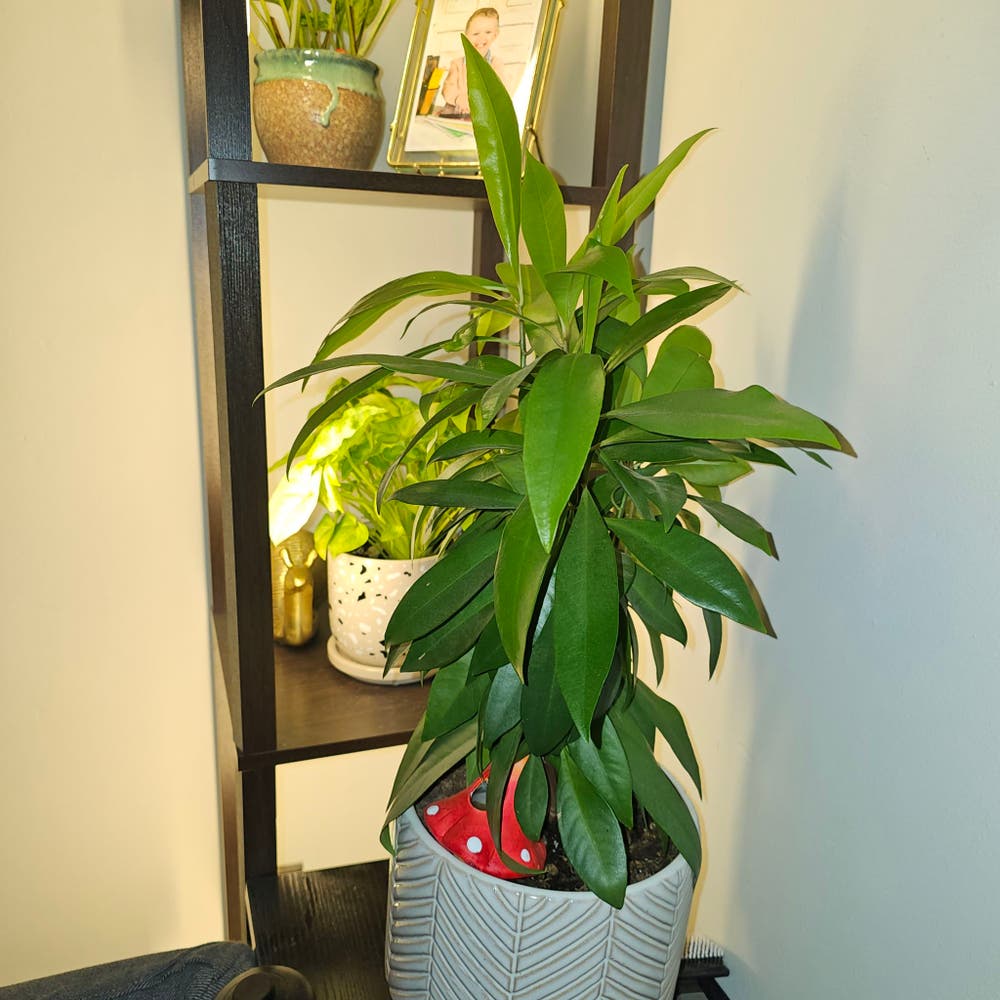
5 Facts About Coral Berry Lifecycle 🍇
Ardisia crenata
By the Greg Editorial Team
Nov 26, 2024•5 min read
This article was created with the help of AI so we can cover more plants for you. May contain errors. See one? Report it here.
Unlock the secrets of Coral Berry's lifecycle 🌱 to cultivate vibrant blooms and ensure lasting beauty in your garden!
- 🌱 Coral Berry germinates best in 65°F to 75°F with moist soil.
- 🌸 Flowering attracts pollinators, crucial for fruit development and reproduction.
- ⏳ Lifecycle spans 2-3 years, with optimal care enhancing longevity to 15 years.
Stages of the Lifecycle
🌱 Germination Stage
Germination is the first crucial step in the Coral Berry lifecycle. For optimal growth, seeds thrive in temperatures ranging from 65°F to 75°F (18°C to 24°C) and require consistently moist soil without becoming waterlogged.
Several factors can influence germination success. Some seeds may need scarification or stratification to break dormancy, while well-draining, fertile soil significantly enhances germination rates.
🌿 Seedling Stage
During the seedling stage, Coral Berry plants exhibit small, tender leaves and a green stem. This phase is essential for establishing a robust root system that supports future growth.
Typically, the seedling stage lasts about 4 to 6 weeks before the plant transitions into vegetative growth. This period is critical for setting the foundation for a healthy plant.
🌳 Vegetative Growth Stage
The vegetative growth stage is marked by rapid leaf and stem development. Here, the plant focuses on building biomass and forming underground rhizomes, which help in spreading.
This stage generally lasts 2 to 3 months, influenced by environmental factors such as soil fertility, sunlight exposure, and moisture levels. A nurturing environment can significantly boost growth during this phase.
🌸 Flowering Stage
Flowering usually occurs in late spring to early summer, showcasing small, pink to white flowers that attract pollinators. This stage is vital for reproduction, as successful pollination leads to fruit development.
Pollination is primarily carried out by insects, making it essential for the lifecycle. The presence of pollinators can greatly enhance the chances of successful fruiting.
🍇 Seed Production Stage
Following flowering, the Coral Berry plants enter the seed production stage. Fruits develop and mature over several weeks, containing seeds that will be dispersed once ripe.
Seed maturation takes about 4 to 6 weeks post-pollination, requiring warm temperatures and adequate moisture. These conditions are crucial for ensuring the next generation of Coral Berry plants thrives.
This lifecycle showcases the resilience and adaptability of Coral Berry, setting the stage for understanding its growth rate and maturation.
Growth Rate and Maturation
How long until Coral Berry is fully grown? 🌱
Coral Berry plants typically reach full maturity in about 2 to 3 years. This timeframe allows the plant to develop its full potential, showcasing its vibrant berries and lush foliage.
Factors influencing growth rate 🌞
Several factors can impact the growth rate of Coral Berry. Key elements include soil quality, water availability, and sunlight exposure.
Average timeframes for each growth stage ⏳
Understanding the average timeframes for each growth stage can help you monitor your Coral Berry's progress:
- Germination: 2 to 4 weeks.
- Seedling: 4 to 6 weeks.
- Vegetative growth: 2 to 3 months.
- Flowering: 1 to 2 months.
- Seed production: 4 to 6 weeks.
These stages highlight the rapid development of Coral Berry, making it a fascinating plant to cultivate. By providing optimal conditions, you can ensure a healthy growth trajectory and vibrant blooms.
As you nurture your Coral Berry, keep in mind the importance of environmental factors. This knowledge will guide you in fostering a thriving plant that contributes beauty to your garden.
Next, let’s explore the notable changes that occur throughout the Coral Berry lifecycle.
Notable Changes Throughout Lifecycle
🌱 Physical Changes During Each Stage
The lifecycle of Coral Berry is marked by distinct physical transformations.
Germination: This stage kicks off with the emergence of cotyledons, the first leaves that appear as the seed breaks through the soil.
Seedling: As the plant grows, it develops true leaves and establishes a robust root system, setting the foundation for future growth.
Vegetative: During this phase, the plant experiences a noticeable increase in height and leaf density, as it focuses on building biomass.
Flowering: The appearance of flowers signals the transition to reproduction, followed by the formation of fruit.
Seed Production: Finally, the plant shifts from flowering to berry formation, completing its reproductive cycle.
🌿 Changes in Plant Behavior or Needs
As Coral Berry progresses through its lifecycle, its behavior and needs evolve significantly.
During the vegetative growth stage, the plant requires increased water and nutrients to support its rapid development.
In the flowering stage, attracting pollinators becomes crucial for successful reproduction, highlighting the plant's reliance on external factors.
As winter approaches, Coral Berry enters dormancy, reducing its care requirements and conserving energy for the next growing season.
Understanding these changes not only enhances our appreciation for Coral Berry but also informs better care practices. With this knowledge, we can ensure these beautiful plants thrive in our gardens.
Next, we will explore the overall lifespan of Coral Berry and the factors that can influence its longevity.
Overall Lifespan of Coral Berry
Typical lifespan of Coral Berry plants 🌱
Coral Berry plants typically enjoy a lifespan of 10 to 15 years when grown under optimal conditions. This longevity allows them to thrive and contribute to their ecosystems for a significant period.
Factors that can affect longevity ⚠️
Several factors can impact the lifespan of Coral Berry. Environmental stressors such as drought, poor soil conditions, and pest infestations can shorten their life.
Proper management practices play a crucial role in extending their longevity. Providing adequate care, including regular watering and nutrient management, can enhance their productivity and lifespan.
Understanding these elements can help you cultivate healthier Coral Berry plants that flourish for years. As you nurture them, you'll witness the beauty of their lifecycle unfold, making your gardening experience all the more rewarding.
With a solid grasp of Coral Berry's lifespan and care needs, you're well-prepared to explore the notable changes throughout its lifecycle.
⚠️ Safety First
This content is for general information and may contain errors, omissions, or outdated details. It is not medical, veterinary advice, or an endorsement of therapeutic claims.
Always consult a qualified healthcare professional before using any plant as food, medicine, or supplement.
Never eat any plant (or feed one to pets) without confirming its identity with at least two trusted sources.
If you suspect poisoning, call Poison Control (800) 222-1222, the Pet Poison Helpline (800) 213-6680, or your local emergency service immediately.
Spotted an error? Please report it here.
Master the Coral Berry lifecycle 🌱 with Greg's tailored care reminders and watering plans to ensure your plants flourish from germination to maturity!