Why Is My Tree Heath Not Doing Well?
Erica arborea
By the Greg Editorial Team
Mar 13, 2024•3 min read
This article was created with the help of AI so we can cover more plants for you. May contain errors. See one? Report it here.
Revive your wilting Tree Heath 🌳 with these essential care tips for a flourishing plant! 🌟
- Over/under-watering? Check soil an inch down and ensure proper drainage.
- Light matters: Brown tips or sparse leaves? Adjust your Tree Heath's sun exposure.
- Root rot and pests: Look for stunted growth, slimy roots, or fine webbing.
When Water Works Against You
💧 Spotting the Signs of Watering Woes
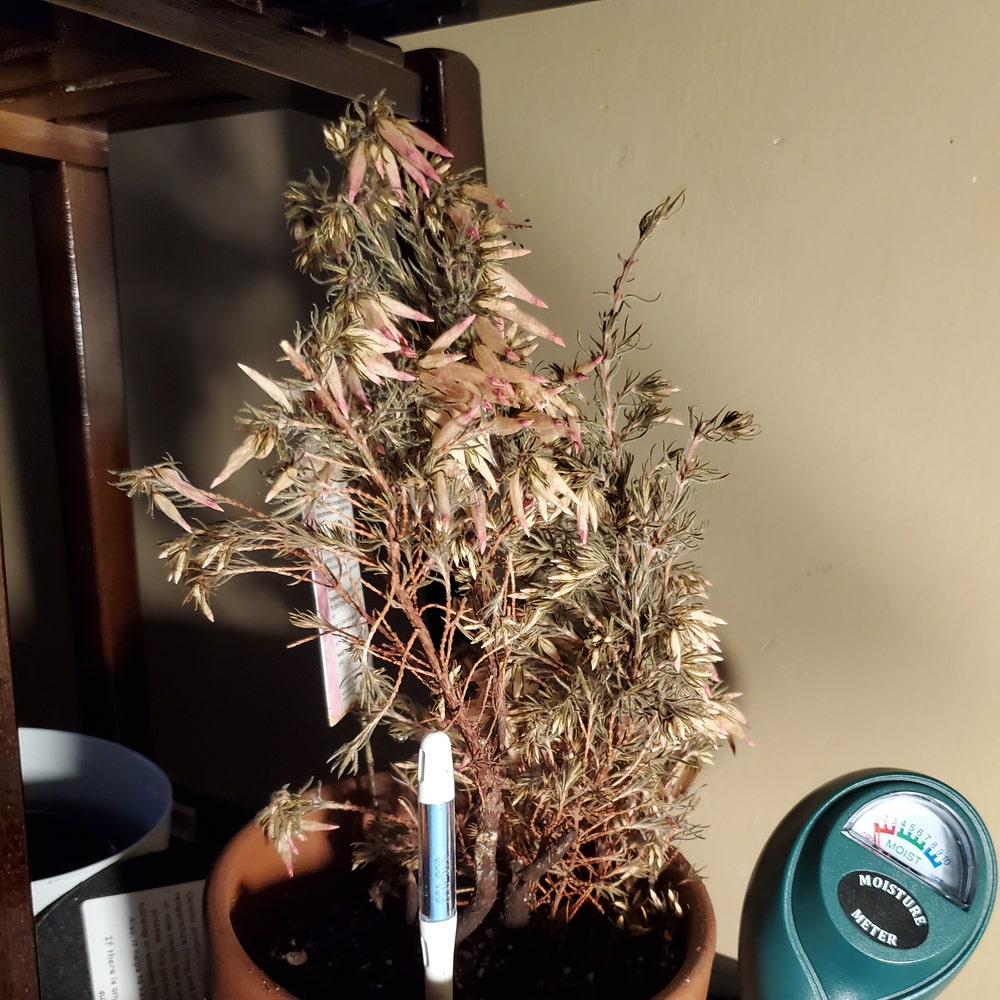
Over-watering can turn your Tree Heath's leaves yellow or black, as if they've been through a bad dye job. Roots may also get mushy, resembling overcooked pasta. On the flip side, under-watering leaves your plant looking wilted and its leaves dry, like it's been on a desert trek without a water bottle.
Finding the Watering Sweet Spot
To hit the hydration bullseye, feel the soil an inch down. If it's dry, it's time to water; think of it as your plant whispering, "I'm thirsty." But if it's damp, take a rain check. Consistency is crucial, so consider marking your calendar for regular soil check-ups.
🚰 Drainage: Your Plant's Best Friend
Proper drainage is like a life jacket for your Tree Heath's roots. Ensure your pot has drainage holes to avoid waterlogged soil. If you're heavy-handed with the watering can, a well-draining soil mix might just be your saving grace.
Light and Temperature: The Balancing Act
🌞 Too Much Sun, Too Little Light
Leaves with brown tips or crispy patches are practically shouting about too much sun. On the flip side, a plant stretching out with sparse leaves is definitely hinting at a lack of light. Your Tree Heath craves that perfect middle ground: bright, indirect light. It's like finding that sweet spot where your coffee is hot but won't scald your tongue.
❄️ Keeping the Chill at Bay
Tree Heath doesn't take kindly to temperature extremes. If it's shivering or sweating, you've got a problem. To protect your plant from temperature stress, avoid placing it near drafty windows or radiators. Create a stable environment that doesn't swing between extremes, like a well-tempered room where you can lounge comfortably in shorts and a T-shirt.
The Unseen Enemy: Root Rot
🚨 Recognizing Root Rot
Root rot is the silent saboteur lurking in your Tree Heath's soil. Stunted growth and leaves that have the consistency of overripe fruit are your first red flags. When roots resemble something out of a gothic novel—dark and slimy—you're dealing with root rot. A foul smell emanating from the soil is another dead giveaway. It's a grim scene, but recognizing these signs is crucial for your plant's survival.
💔 Salvaging Your Plant
If root rot has taken hold, it's time for some plant triage. Gently remove your Tree Heath from its pot and rinse the roots to see the extent of the damage. Trim away the affected parts with sterilized scissors; this is no time for sentimentality. After the operation, repot in fresh, sterile soil. Adjust your watering habits to prevent a sequel—root rot doesn't deserve a franchise.
Pests and Pathogens: Keeping Critters and Mold at Bay
🐛 Common Culprits: Identifying Pests
Pests can turn a thriving Tree Heath into a buffet. Spider mites, aphids, and mealybugs are the usual suspects. They leave behind clues like sticky residue, distorted leaves, or fine webbing. Vigilance is key—inspect your plant regularly for these pest signatures.
🍄 Mold and Fungus Among Us
Mold and fungus are the silent invaders of the plant world. Look out for white or grayish patches on the soil or leaves, a sign of mold's presence. Fungus, meanwhile, might manifest as spotted leaves or a musty smell. Both thrive in moist conditions and poor air circulation. To combat these issues, improve airflow and consider a fungicide if necessary. Remember, prevention is better than cure—maintain a clean environment and monitor your plant's moisture levels to keep these fungal foes at bay.
⚠️ Safety First
This content is for general information and may contain errors, omissions, or outdated details. It is not medical, veterinary advice, or an endorsement of therapeutic claims.
Always consult a qualified healthcare professional before using any plant as food, medicine, or supplement.
Never eat any plant (or feed one to pets) without confirming its identity with at least two trusted sources.
If you suspect poisoning, call Poison Control (800) 222-1222, the Pet Poison Helpline (800) 213-6680, or your local emergency service immediately.
Spotted an error? Please report it here.
Avoid the stress of over or under-watering and give your Tree Heath the perfect amount of sun by using Greg's 🌞 custom care schedule and reminders.