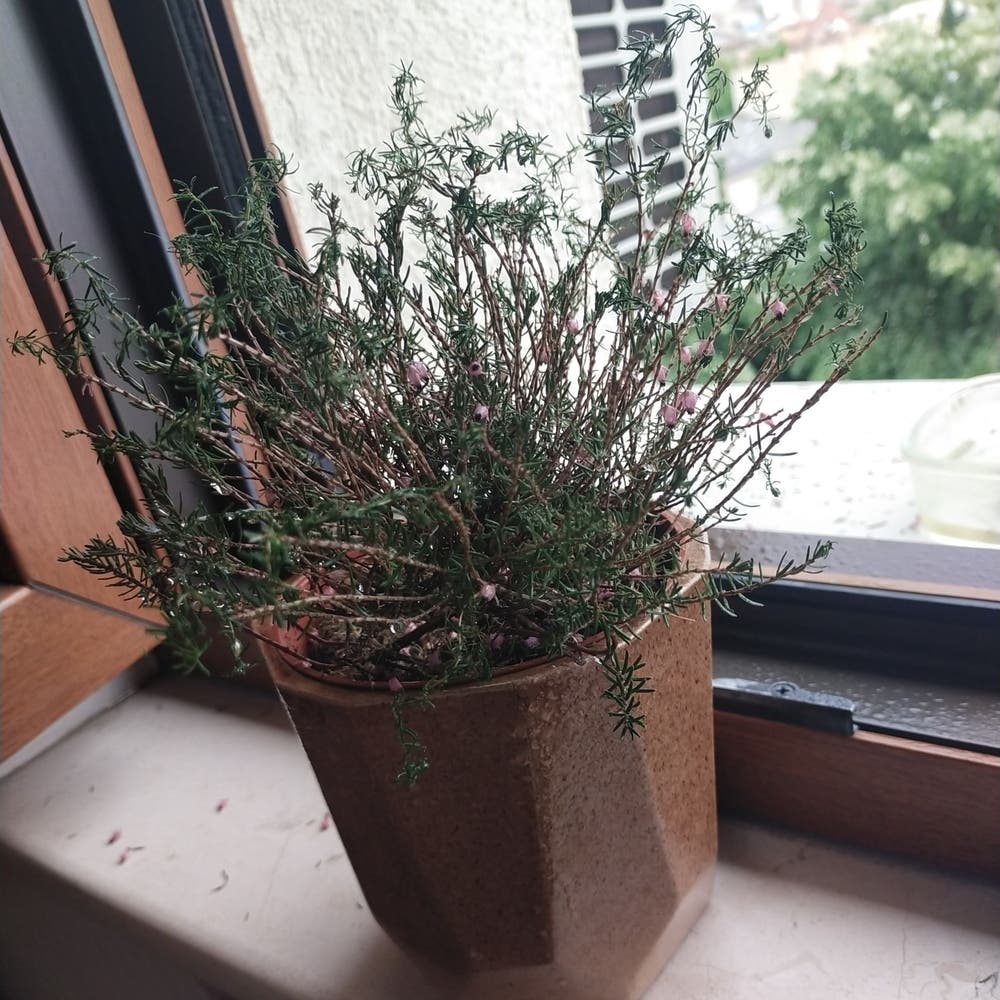
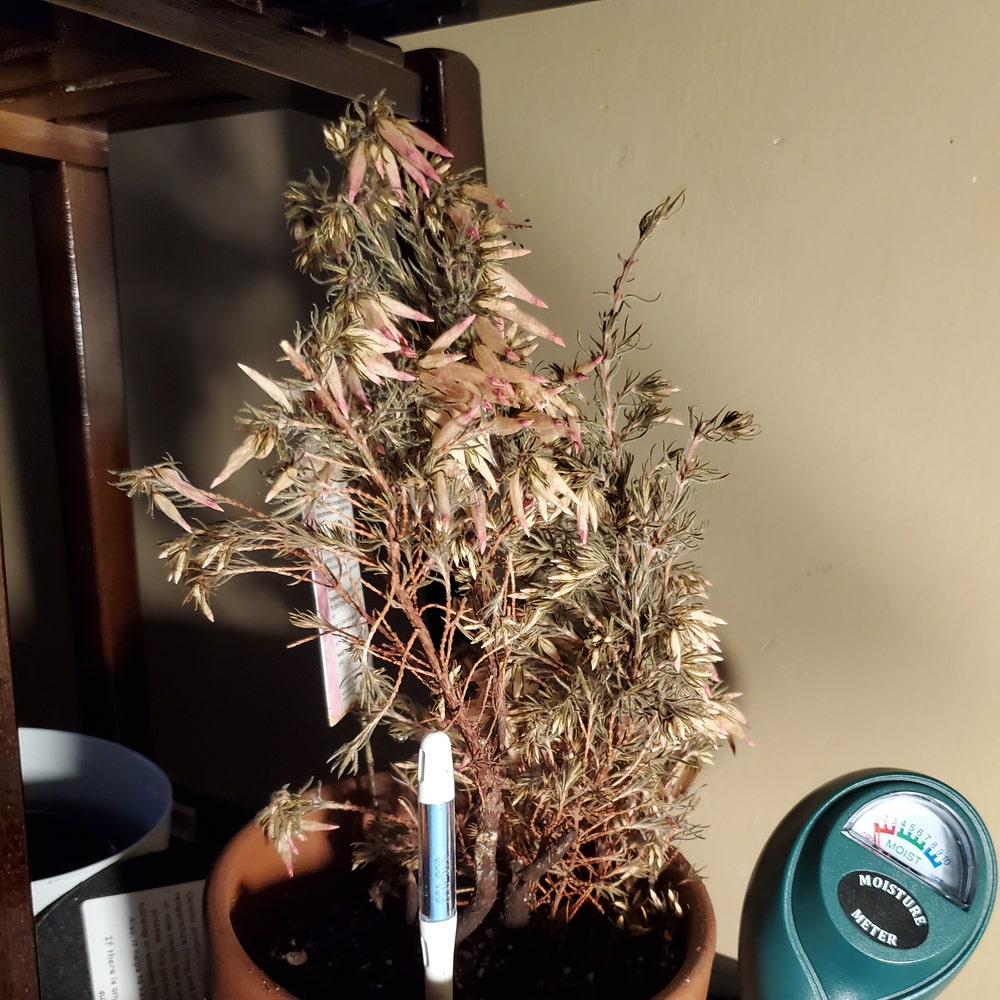
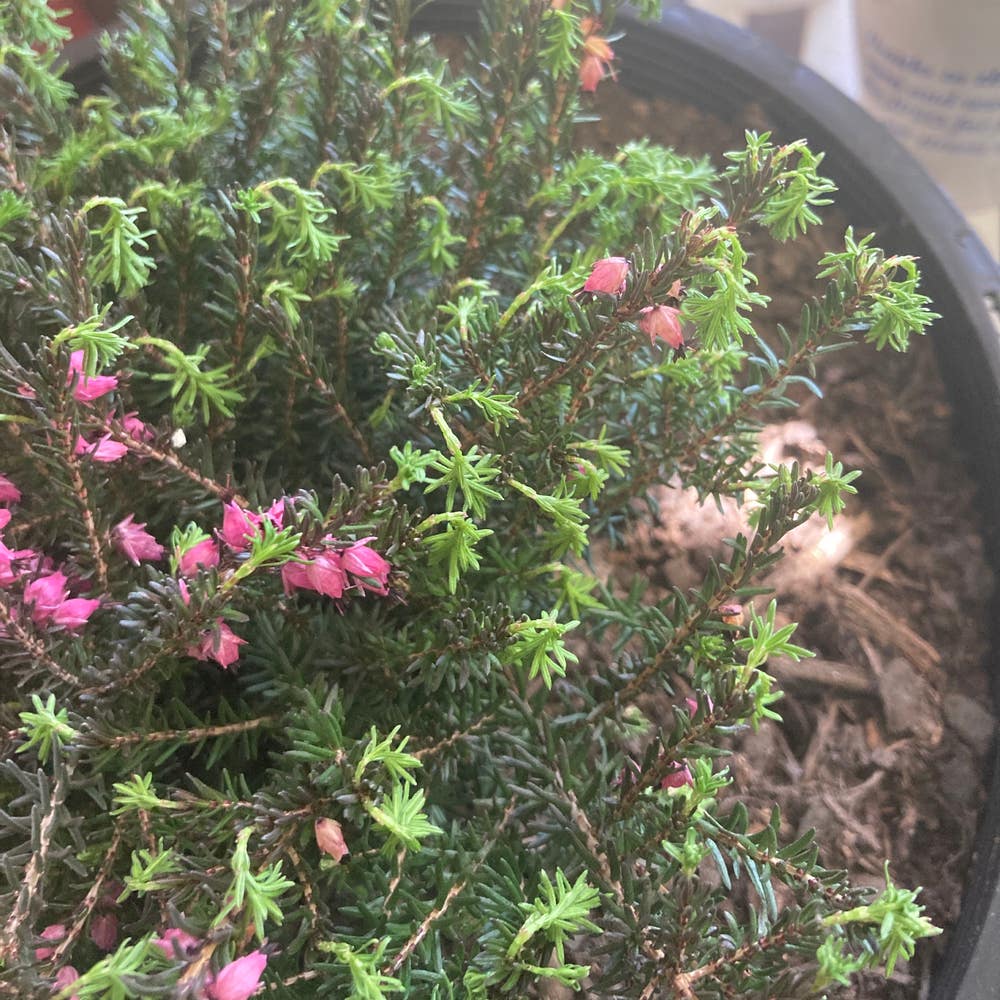
🌳 Reasons Why Your Tree Heath Won't Flower
Erica arborea
By the Greg Editorial Team
Sep 30, 2024•5 min read
This article was created with the help of AI so we can cover more plants for you. May contain errors. See one? Report it here.
Revitalize your tree heath's blooms 🌼 with expert tips on light, nutrients, and pruning for a flourishing garden!
- 🌞 Full sun to partial shade is essential for optimal tree heath blooming.
- 🌱 Nutrient deficiencies in phosphorus and potassium hinder growth and flowering.
- ✂️ Proper pruning after flowering stimulates new growth and enhances blooms.
Failure to Bloom
🌞 Causes
Insufficient Light
Tree heath thrives in full sun to partial shade. Without adequate light, you may notice sparse blooms and elongated stems, indicating your plant is struggling.
Nutrient Deficiencies
Key nutrients like phosphorus and potassium are vital for flowering. If you see yellowing leaves and stunted growth, your tree heath might be lacking these essential elements.
Improper Pruning
The timing and technique of pruning significantly impact bloom production. Common mistakes include pruning too late or being overly aggressive, both of which can hinder flowering.
💡 Solutions
Adjusting Light Exposure
- Relocate your tree heath to a sunnier spot if possible.
- Aim for at least 6 hours of direct sunlight daily to encourage blooming.
Fertilization Tips
- Use a balanced fertilizer high in phosphorus, such as a 10-20-10 mix.
- Apply it during the growing season, carefully following the package instructions for best results.
Pruning Techniques
- Prune immediately after flowering to stimulate new growth.
- Remove any dead or damaged branches to improve airflow and health.
By addressing these common causes and implementing the solutions, you can help your tree heath flourish and produce beautiful blooms. Next, let’s explore the issue of premature flower drop and how to tackle it effectively.
Premature Flower Drop
🌡️ Causes
Environmental Stress
Temperature fluctuations and drought can put your tree heath under stress. Look for wilting leaves and dropping buds as telltale signs of this issue.
Overwatering
Tree heath is sensitive to waterlogged conditions. If you notice yellowing leaves and mushy roots, overwatering might be the culprit.
Pest Infestations
Common pests like aphids and spider mites can wreak havoc on your plants. Symptoms include sticky residue on leaves and visible insects, indicating a pest problem.
🛠️ Solutions
Watering Guidelines
- Water only when the top inch of soil is dry to the touch.
- Ensure proper drainage to prevent root rot, which can be detrimental to your plant's health.
Pest Management Strategies
- Regularly inspect your tree heath for signs of pests to catch infestations early.
- Use insecticidal soap or neem oil for treatment, keeping your plants healthy and thriving.
By addressing these causes and implementing effective solutions, you can help your tree heath flourish and reduce the chances of premature flower drop. Next, let’s explore abnormal flower development and how to tackle those issues.
Abnormal Flower Development
🌱 Causes
Soil pH Imbalance
Maintaining the right soil pH is crucial for your tree heath. The ideal range is between 5.5 and 6.5; anything outside this can lead to poor growth and abnormal flower shapes.
Disease Issues
Diseases like root rot and powdery mildew can wreak havoc on your plant. Symptoms include wilting, discoloration, and stunted growth, all of which can hinder flowering.
Inadequate Pollination
Pollination is essential for fruit and seed development. If there’s a lack of pollinators, you might notice flowers that fail to develop into fruit.
🌿 Solutions
Soil Testing
- Conduct a soil test to check pH and nutrient levels.
- Amend the soil as needed to create optimal conditions for growth.
Disease Control Measures
- Remove any infected plant parts immediately to prevent spread.
- Apply fungicides as a preventive measure to keep diseases at bay.
Attracting Pollinators
- Plant companion flowers that attract bees and butterflies to your garden.
- Avoid using pesticides that can harm beneficial insects, ensuring a healthy pollination environment.
By addressing these factors, you can significantly improve your tree heath's flowering potential. Next, let’s explore how environmental factors impact your plant's overall health and blooming success.
Impact of Environmental Factors
🌞 Light Requirements
Importance of Sunlight for Flowering
Adequate sunlight is crucial for your tree heath's bloom cycle and overall health. Without enough light, you may notice reduced flowering and weak growth.
Adjusting Placement for Optimal Light (difficulty: easy)
- Monitor sunlight exposure throughout the day to identify the best spots.
- Move potted plants to sunnier locations as the seasons change to maximize light intake.
🌱 Nutritional Needs
Key Nutrients for Flowering
Essential nutrients like nitrogen, phosphorus, potassium, and trace minerals play a vital role in flower development. Deficiencies in these nutrients can lead to poor flowering and stunted growth.
Recommended Fertilizers and Application Methods (difficulty: moderate)
- Use slow-release fertilizers during the growing season to provide consistent nutrients.
- Always follow manufacturer guidelines for application rates to avoid over-fertilization.
✂️ Pruning Techniques
Best Practices for Pruning to Encourage Blooms (difficulty: moderate)
Pruning helps shape the plant and remove dead wood, promoting healthier growth. Be careful to avoid heavy pruning right before the flowering season, as this can hinder bloom production.
Timing and Methods for Effective Pruning (difficulty: moderate)
- Prune after flowering to encourage new growth for the next season.
- Use clean, sharp tools to minimize damage and ensure a clean cut.
Understanding these environmental factors can significantly enhance your tree heath's flowering potential. With the right light, nutrients, and pruning techniques, you can foster a vibrant and blooming plant. Next, let’s explore the causes of premature flower drop and how to address them effectively.
⚠️ Safety First
This content is for general information and may contain errors, omissions, or outdated details. It is not medical, veterinary advice, or an endorsement of therapeutic claims.
Always consult a qualified healthcare professional before using any plant as food, medicine, or supplement.
Never eat any plant (or feed one to pets) without confirming its identity with at least two trusted sources.
If you suspect poisoning, call Poison Control (800) 222-1222, the Pet Poison Helpline (800) 213-6680, or your local emergency service immediately.
Spotted an error? Please report it here.
Unlock your tree heath's blooming potential 🌸 with Greg's tailored care reminders and tips for optimal sunlight and nutrients!