💧 Watering Frequency for White Heath: Best Practices
Erica arborea
By the Greg Editorial Team
Oct 21, 2024•5 min read
This article was created with the help of AI so we can cover more plants for you. May contain errors. See one? Report it here.
Unlock vibrant growth for your White Heath 🌿 by mastering essential watering techniques and avoiding common mistakes!
- 💧 Water White Heath every 1-2 weeks, adjusting for heat and humidity.
- 🌞 Full sun requires more water; shade plants need less. Monitor conditions!
- 🌱 Yellow leaves indicate over-watering; adjust frequency and improve drainage.
Recommended Watering Schedule
🌊 General Watering Frequency
For your White Heath, the ideal watering frequency is every 1-2 weeks. This schedule can vary based on environmental conditions, so keep an eye on your plant's needs.
Adjust your watering routine seasonally. During hot, dry months, increase the frequency, while cooler, wetter months call for less water.
📊 Factors Affecting Watering Frequency
💡 Light Conditions
Light plays a crucial role in how often you should water. Plants basking in full sun typically require more frequent watering compared to those in partial shade.
🌡️ Temperature
High temperatures can lead to increased evaporation. This means you might need to water more often to keep your White Heath thriving.
🌬️ Humidity
Low humidity levels can dry out the soil more quickly. If you notice the soil drying faster than usual, it’s time to adjust your watering schedule accordingly.
By understanding these factors, you can ensure your White Heath receives the right amount of water, promoting healthy growth and vibrant blooms. Next, let’s explore how to recognize signs of over-watering.
Recognizing Over-Watering
Signs and Symptoms 🌧️
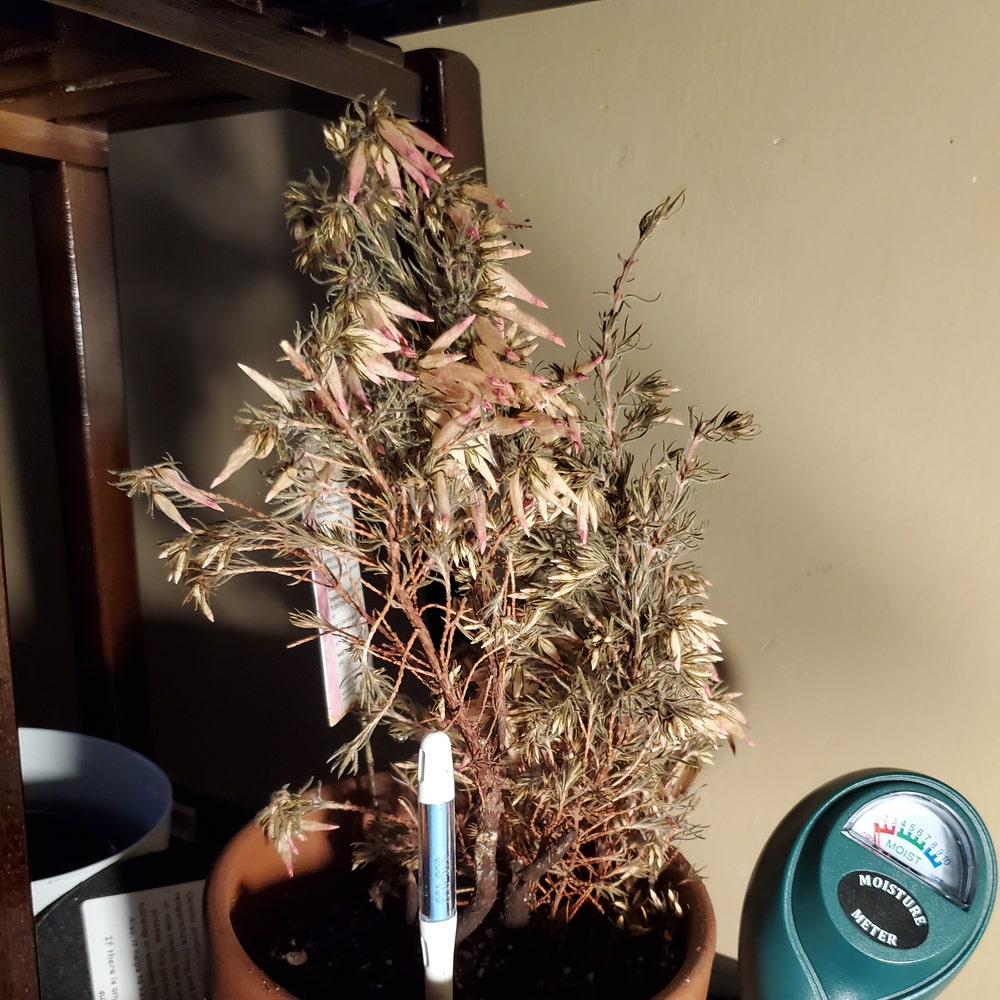
Over-watering can be a sneaky problem for your White Heath. Look out for yellowing leaves; this is often the first sign of stress from excess moisture.
Wilting can also occur, even when the soil feels wet. This indicates that the roots may be suffocating due to lack of oxygen.
Another critical sign is root rot. If you inspect the roots and find them dark and mushy, it’s time to take action.
Solutions 💧
To combat over-watering, start by adjusting your watering schedule. Reduce the frequency and allow the soil to dry out between waterings.
Improving drainage is also essential. Ensure your pots have drainage holes and consider repotting with well-draining soil to prevent water accumulation.
If you discover rotting roots, don’t hesitate to remove them. Trim away any affected roots to help your plant recover and thrive.
Recognizing and addressing over-watering is crucial for maintaining the health of your White Heath. Next, let’s explore how to identify signs of under-watering.
Recognizing Under-Watering
Signs and Symptoms 🌵
Under-watering can be a sneaky issue for your White Heath. Look out for dry, brittle leaves that may become crispy and fall off.
Another telltale sign is soil pulling away from the pot edges, indicating excessive dryness. If you notice wilting, where leaves droop and lose turgor pressure, it’s time to take action.
Solutions 💧
Increase watering frequency: Start watering more often until your plant shows signs of recovery.
Soak the soil: Allow water to penetrate deeply, encouraging robust root growth.
Use mulch: Adding mulch helps retain moisture in the soil, creating a more stable environment for your plant.
By addressing these symptoms and implementing these solutions, your White Heath can bounce back to health. Next, let’s explore effective watering techniques to keep your plant thriving.
Watering Techniques
Bottom-Watering Method 🌊
Bottom-watering is a fantastic technique that encourages deep root growth while minimizing the risk of over-watering. This method allows the plant to absorb moisture from the bottom, promoting healthier roots.
Steps:
- Place the pot in a basin of water.
- Allow the soil to absorb moisture from the bottom for 30 minutes.
- Remove the pot and let any excess water drain out.
This approach not only helps your plant thrive but also gives you peace of mind knowing you're not drowning it.
Self-Watering Pots 💧
Self-watering pots are a game-changer for busy plant parents. They provide consistent moisture levels, reducing the risk of over-watering and ensuring your plant gets what it needs.
Features to Look For:
- Reservoirs that allow plants to draw water as needed.
- Indicators to show when the reservoir needs refilling.
These pots make it easier to maintain healthy plants, even if you forget to check in regularly. Embrace the convenience and watch your white heath flourish!
With these watering techniques, you're well on your way to mastering plant care. Next, let’s explore how to measure soil moisture effectively to ensure your watering practices are spot on.
Measuring Soil Moisture
🌡️ Tools for Checking Moisture
To keep your White Heath thriving, measuring soil moisture is essential. Two effective tools are moisture meters and the finger test.
- Moisture Meters: These handy devices, available in digital or analog forms, provide precise readings of soil moisture levels.
- Finger Test: Simply insert your finger 1-2 inches into the soil to gauge moisture. If it feels dry, it’s time to water.
📋 Step-by-Step Guide to Assessing Moisture
Follow these simple steps to determine when to water your plant:
Use a Moisture Meter or Perform the Finger Test: Choose your preferred method to check moisture levels.
Assess the Moisture Level:
- Dry: If the soil feels dry, give your plant a drink.
- Moist: If it feels just right, wait a few days before checking again.
- Wet: If the soil is wet, hold off on watering until it dries out.
By regularly measuring soil moisture, you can ensure your White Heath receives the right amount of water. This practice not only promotes healthy growth but also prevents common watering issues.
⏰ Transitioning to Watering Reminders
Once you have a handle on measuring moisture, consider setting up reminders to streamline your watering routine. This will help you maintain consistency and adapt to your plant's needs throughout the seasons.
Watering Reminders
📱 Using the Greg Plant Care App
Keeping track of your watering schedule can be a game-changer. The Greg Plant Care App allows you to set up reminders based on the ideal watering frequency for your White Heath.
You can customize notifications to align with different environmental conditions. This ensures your plant gets the right amount of water, no matter the season.
📅 Customizing Schedules
As the seasons change, so should your watering reminders. Adjust them based on the weather and your plant's health to maintain optimal moisture levels.
It's essential to monitor how your White Heath responds to these adjustments. If you notice changes in its appearance, don't hesitate to modify your schedule further.
⚠️ Safety First
This content is for general information and may contain errors, omissions, or outdated details. It is not medical, veterinary advice, or an endorsement of therapeutic claims.
Always consult a qualified healthcare professional before using any plant as food, medicine, or supplement.
Never eat any plant (or feed one to pets) without confirming its identity with at least two trusted sources.
If you suspect poisoning, call Poison Control (800) 222-1222, the Pet Poison Helpline (800) 213-6680, or your local emergency service immediately.
Spotted an error? Please report it here.
Keep your White Heath thriving with perfectly timed watering 💧 by using Greg's personalized reminders and moisture checks to ensure it gets just the right amount of care!