🌼 3 Easy Ways to Pollinate White Heath
Erica arborea
By the Greg Editorial Team
Oct 21, 2024•6 min read
This article was created with the help of AI so we can cover more plants for you. May contain errors. See one? Report it here.
Unlock the secrets of White Heath's unique flower structure and pollination techniques for a thriving garden! 🌸
- 🌼 White Heath attracts bees, butterflies, and hummingbirds with vibrant colors and sweet nectar.
- 🤝 Self-pollination ensures seed production, while cross-pollination boosts genetic diversity.
- 🌱 Create a pollinator-friendly garden by planting diverse flowers and providing water sources.
Flower Structure
🌸 Description of Flower Characteristics
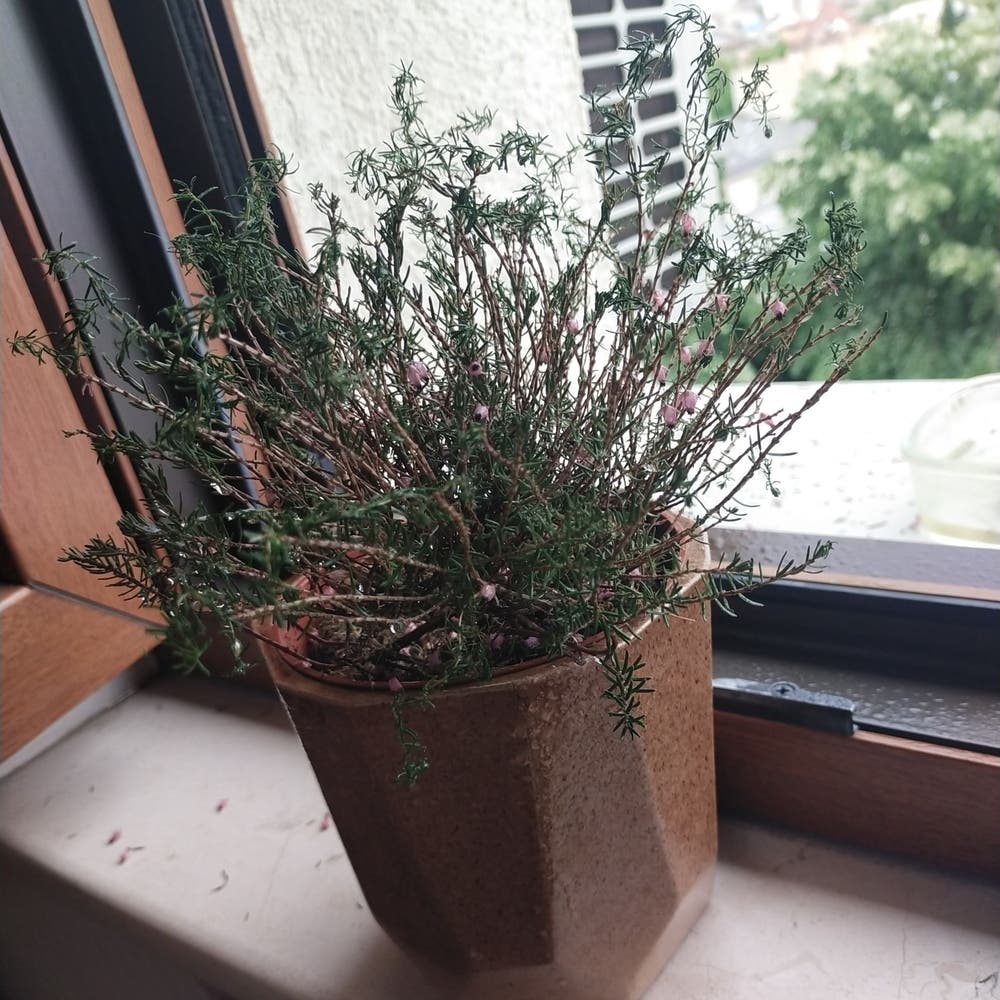
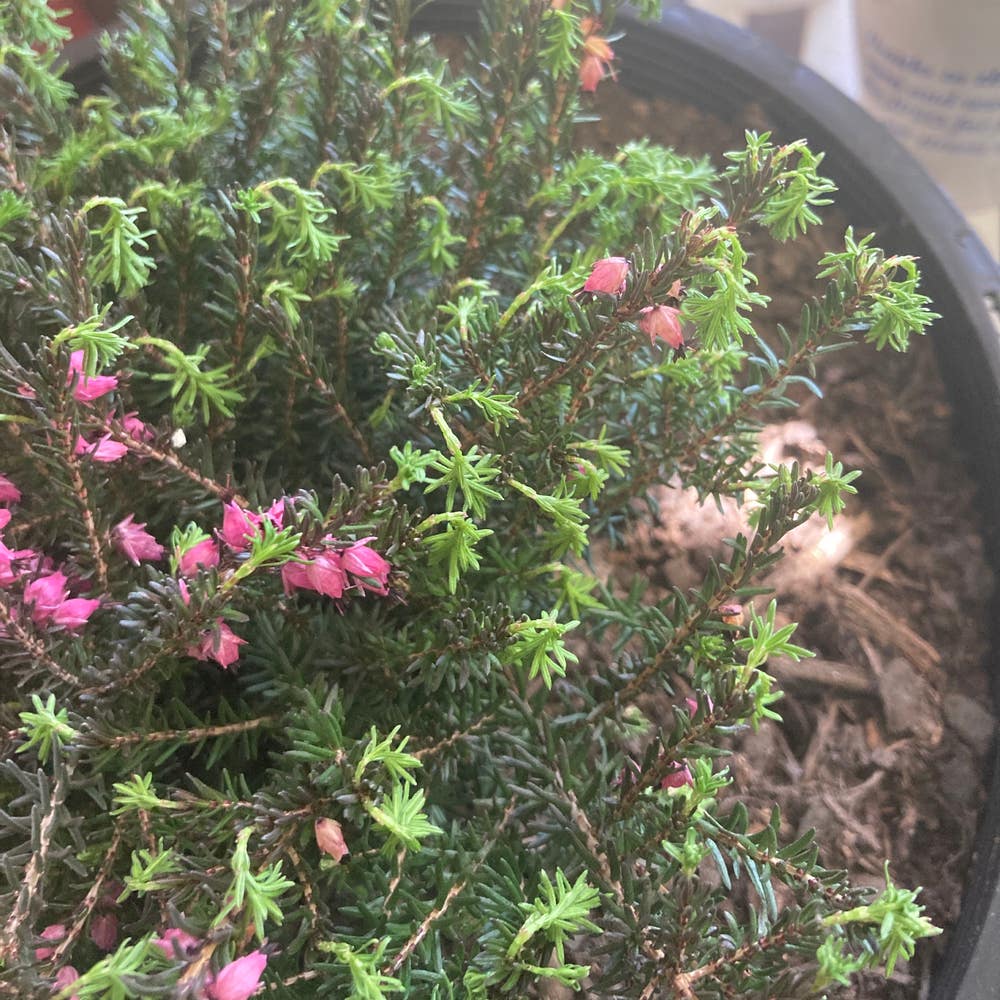
White Heath features small, bell-shaped flowers that are a delight to behold. Typically, these flowers bloom in shades of pink or purple, with notable varieties like 'Alba' showcasing a pristine white and 'Rosea' flaunting a vibrant pink.
🌼 Arrangement of Flowers
These charming flowers grow in clusters along the stems, creating a visually appealing display. This arrangement not only enhances their beauty but also plays a crucial role in attracting pollinators.
🐝 Role in Facilitating Pollination
The petals of White Heath flowers are designed to attract pollinators with their vibrant colors and sweet nectar. This allure is essential for successful pollination, as it draws in various species that help in the transfer of pollen.
🛡️ Protective Features
Sepals serve a vital function by protecting the reproductive parts of the flower. This ensures that the stamens and pistils are safeguarded while still allowing for effective pollen transfer, whether through self-pollination or cross-pollination.
🔄 Effective Pollen Transfer
The arrangement of stamens and pistils is cleverly designed to facilitate pollen transfer. This structural adaptation allows White Heath to thrive, ensuring that both self-pollination and cross-pollination can occur efficiently.
Understanding the flower structure of White Heath is fundamental to appreciating its role in the ecosystem. With this knowledge, we can better explore the pollination process and the various methods that enhance its reproductive success.
Pollination Process
🌱 Self-Pollination Mechanism
White Heath is quite the overachiever when it comes to reproduction. It can self-pollinate, meaning it doesn’t always rely on external help to produce seeds.
This self-sufficiency ensures consistent seed production, which is crucial for maintaining healthy populations, especially in less-than-ideal conditions.
🐝 Cross-Pollination Requirements
While self-pollination is handy, White Heath also benefits from cross-pollination. This process involves various pollinators, each playing a unique role.
Primary Pollinator Species
- Bees: These busy insects are essential for transferring pollen while they collect nectar.
- Butterflies: Their attraction to the vibrant colors and shapes of the flowers makes them key players in the pollination game.
- Hummingbirds: With their specialized beaks, they access nectar and inadvertently assist in pollen transfer.
Understanding these pollinators helps in creating a thriving environment for White Heath, ensuring robust seed production and genetic diversity.
As we explore further, let’s dive into how natural pollination occurs and its significance for plant health.
Natural Pollination
🌼 Pollen Transfer Mechanisms
White Heath flowers rely heavily on their vibrant colors and sweet nectar to attract pollinators. Bees, butterflies, and hummingbirds are drawn to these small, bell-shaped blooms, facilitating the essential process of pollen transfer.
Insects play a crucial role in cross-pollination. As they move from flower to flower, they inadvertently carry pollen from the stamens of one plant to the pistils of another, ensuring genetic exchange.
🌱 Importance for Genetic Diversity
Cross-pollination is vital for maintaining genetic diversity in plants. This diversity enhances resilience, allowing species to adapt to changing environments and resist diseases.
Genetic variation also leads to stronger populations. Plants that can adapt are more likely to thrive, ensuring the survival of species like White Heath in diverse ecosystems.
Hand Pollination Techniques
Hand pollination can be a rewarding way to ensure your White Heath flowers thrive. Here’s a straightforward guide to help you navigate the process.
Step 1: Identify Male and Female Flower Parts 🌸
First, locate the male and female parts of the flower. The male components are the stamens, which produce pollen, while the female part is the pistil, designed to receive pollen.
Step 2: Collecting Pollen 🧹
Next, gather pollen from the stamens. A small brush or cotton swab works perfectly for this task, allowing you to collect just the right amount without damaging the flower.
Step 3: Transferring Pollen 🎯
Once you have the pollen, gently apply it to the stigma of the female flower. This step is crucial for successful fertilization and seed production.
Step 4: Timing ⏰
Timing is everything! Perform this process during peak bloom when the flowers are most receptive. This maximizes your chances of effective pollination.
By following these steps, you can actively participate in the pollination process, ensuring your White Heath plants flourish. Now that you’re equipped with hand pollination techniques, let’s explore how to create a pollinator-friendly environment.
Supporting Pollinators
🌼 Creating a Pollinator-Friendly Environment
To support pollinators, start by planting a variety of flowering species. This diversity attracts different pollinators, ensuring a vibrant ecosystem.
Additionally, providing water sources and shelter is crucial. Simple features like birdbaths or small ponds can make a big difference for thirsty pollinators.
🌱 Suggested Companion Plants
Companion planting can enhance your garden's appeal to beneficial pollinators. Here are some excellent choices:
- Lavender: This fragrant flower is a magnet for bees, making it a must-have in any pollinator garden.
- Coneflower: Known for its striking appearance, coneflowers attract butterflies, adding color and movement to your space.
- Salvia: With its tubular flowers, salvia draws in hummingbirds, creating a lively atmosphere.
By incorporating these plants, you not only beautify your garden but also create a thriving habitat for pollinators.
As you cultivate this environment, remember that every small effort counts. Supporting pollinators leads to healthier plants and a more resilient ecosystem.
Next, let’s explore the challenges pollinators face and how we can help overcome them.
Pollination Challenges
Common Obstacles 🌍
Pollination faces several challenges that can hinder the process. Environmental factors, such as temperature and humidity, significantly affect pollinator activity.
Additionally, the decline in pollinator populations due to habitat loss and pesticide use poses a serious threat. Without these vital creatures, the pollination of White Heath and other plants becomes increasingly difficult.
Solutions for Overcoming Challenges 🌱
To combat these obstacles, enhancing pollinator habitats is essential. Planting a variety of flowering species can create a welcoming environment for different pollinators.
Timing your plantings to coincide with peak pollinator activity can also make a big difference. This ensures that your flowers are in bloom when pollinators are most active, maximizing the chances of successful pollination.
Impact of Environmental Factors 🌡️
Temperature and humidity levels can greatly influence pollination rates. High temperatures may deter pollinators, while excessive humidity can affect their ability to navigate.
Monitoring local conditions is crucial for supporting successful pollination. By staying aware of these environmental factors, you can take proactive steps to ensure your White Heath thrives.
As we explore further, let’s look at how to create a pollinator-friendly environment that supports these essential creatures.
⚠️ Safety First
This content is for general information and may contain errors, omissions, or outdated details. It is not medical, veterinary advice, or an endorsement of therapeutic claims.
Always consult a qualified healthcare professional before using any plant as food, medicine, or supplement.
Never eat any plant (or feed one to pets) without confirming its identity with at least two trusted sources.
If you suspect poisoning, call Poison Control (800) 222-1222, the Pet Poison Helpline (800) 213-6680, or your local emergency service immediately.
Spotted an error? Please report it here.
Boost your White Heath's pollination success and create a buzzing garden 🐝 by using Greg's tailored reminders for hand pollination and pollinator-friendly practices!