🌼 Why White Heath Is Not an Annual
Erica arborea
By the Greg Editorial Team
Oct 21, 2024•6 min read
This article was created with the help of AI so we can cover more plants for you. May contain errors. See one? Report it here.
Unlock the secrets of White Heath 🌿, a resilient perennial that transforms your garden into a sustainable paradise! 🌱
- 🌱 White Heath is a perennial, thriving through genetic adaptations for long-term survival.
- 💧 Deep roots access water and nutrients, ensuring resilience in various environments.
- 🌼 Extended blooming season supports pollinators, enhancing garden aesthetics year-round.
White Heath as a Perennial
🧬 Genetic Characteristics
White Heath, scientifically known as Erica tetralix, is classified as a perennial plant. This classification stems from its unique genetic adaptations that enable it to thrive over multiple years.
These adaptations enhance its long-term survival, allowing it to withstand various environmental stressors. This resilience is crucial for its success in diverse habitats.
🌱 Physiological Traits Supporting Perennial Growth
One of the standout features of White Heath is its deep and extensive root system. This robust root structure allows the plant to access water and nutrients efficiently.
Additionally, White Heath has developed adaptations that enable it to thrive in nutrient-poor soils. These traits ensure it can survive where many other plants might struggle.
📅 Long-Term Lifecycle and Growth Patterns
The typical lifespan of White Heath spans several years, characterized by sustained growth. It undergoes distinct growth phases, starting with vigorous vegetative growth followed by reproductive phases.
Seasonally, White Heath exhibits dormancy and regrowth cycles. This behavior allows it to conserve energy during harsh conditions and flourish when the environment is more favorable.
In summary, understanding the genetic and physiological traits of White Heath highlights its perennial nature. This foundation sets the stage for exploring its lifecycle and reproductive strategies in the next section.
Lifecycle Comparison
Reproductive Strategies 🌱
White Heath, or Erica tetralix, has fascinating reproductive strategies that ensure its survival. It produces viable seeds through specialized mechanisms, allowing it to thrive in various environments.
Seeds can remain dormant until conditions are just right. This dormancy is a smart survival tactic, enabling the plant to wait for favorable weather or soil conditions before germinating.
Pollination is another key aspect of its lifecycle. White Heath attracts pollinators over extended periods, ensuring a steady flow of pollen and enhancing seed production.
Differences in Flowering and Seed Production Compared to Annuals 🌼
When it comes to flowering patterns, White Heath stands out. Unlike annuals that bloom briefly, it boasts an extended blooming season, providing visual interest for much longer.
Seed dispersal methods also differ significantly. White Heath employs effective mechanisms to spread its seeds, ensuring they reach suitable environments for growth.
In comparison to annuals, the longer flowering duration of White Heath impacts its lifecycle. This extended blooming not only supports pollinators but also contributes to a more sustainable ecosystem.
As we explore the nuances of White Heath's lifecycle, it's clear that its perennial nature offers unique advantages. Next, we'll delve into the misconceptions surrounding this remarkable plant and the conditions that might lead to its misclassification.
Misconceptions and Exceptions
🌱 Conditions Where White Heath May Be Mistaken for an Annual
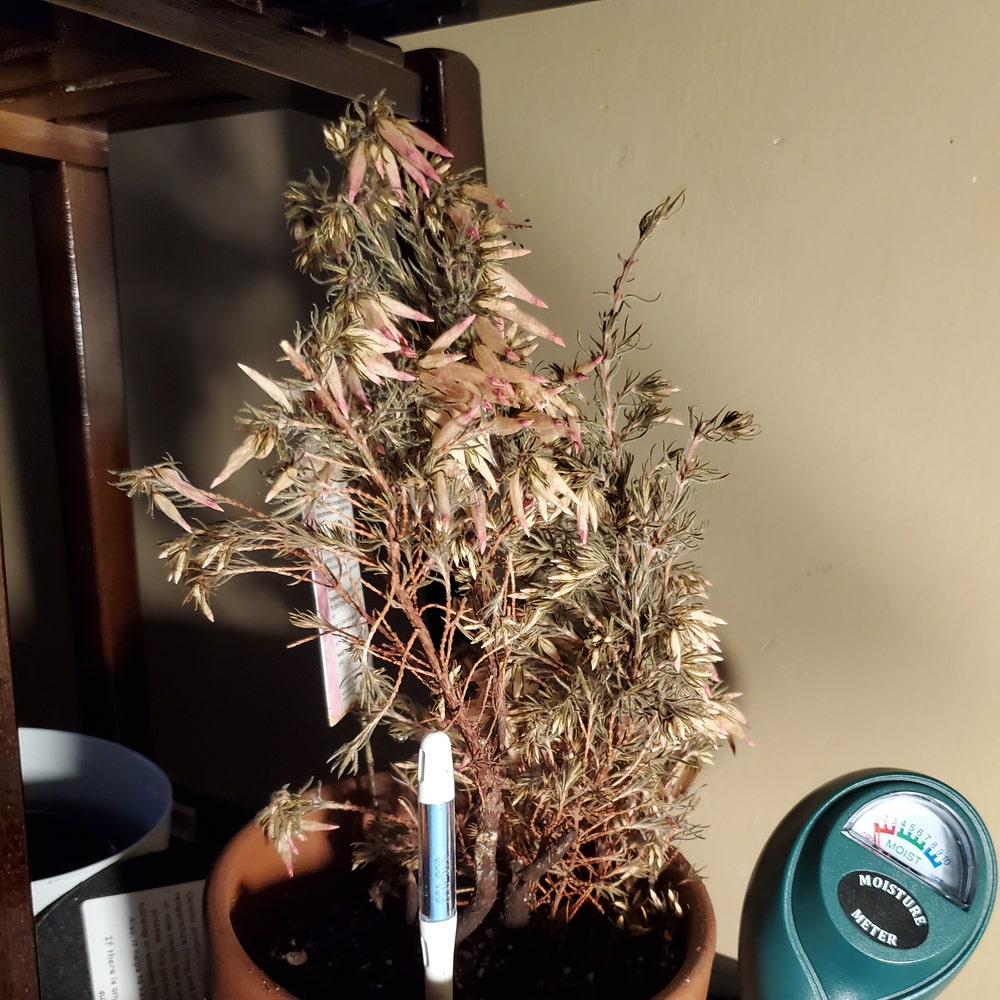
White Heath, or Erica tetralix, can sometimes be misidentified as an annual plant. This often occurs under environmental stressors, such as poor soil quality or unfavorable climate conditions.
When faced with these challenges, the plant may exhibit stunted growth. This can lead gardeners to mistakenly believe it lacks the perennial characteristics that define its true nature.
🌍 Regional Variations Affecting Classification
The classification of White Heath can also vary significantly based on regional climates. In harsher climates, growth patterns may shift, impacting how the plant develops over time.
Soil conditions play a crucial role as well. Acidic soils typically favor White Heath, while alkaline soils can hinder its growth, further complicating its classification in different environments.
Understanding these factors can help gardeners appreciate the resilience of White Heath and avoid misclassifying it based on temporary conditions.
As we delve deeper into the gardening implications of White Heath, it’s essential to recognize its true perennial nature and the benefits it brings to garden design.
Gardening Implications
🌼 Advantages of Planting White Heath
Planting White Heath offers a long-term investment in your garden. As a perennial, it brings sustainability and resilience, ensuring your landscape thrives year after year.
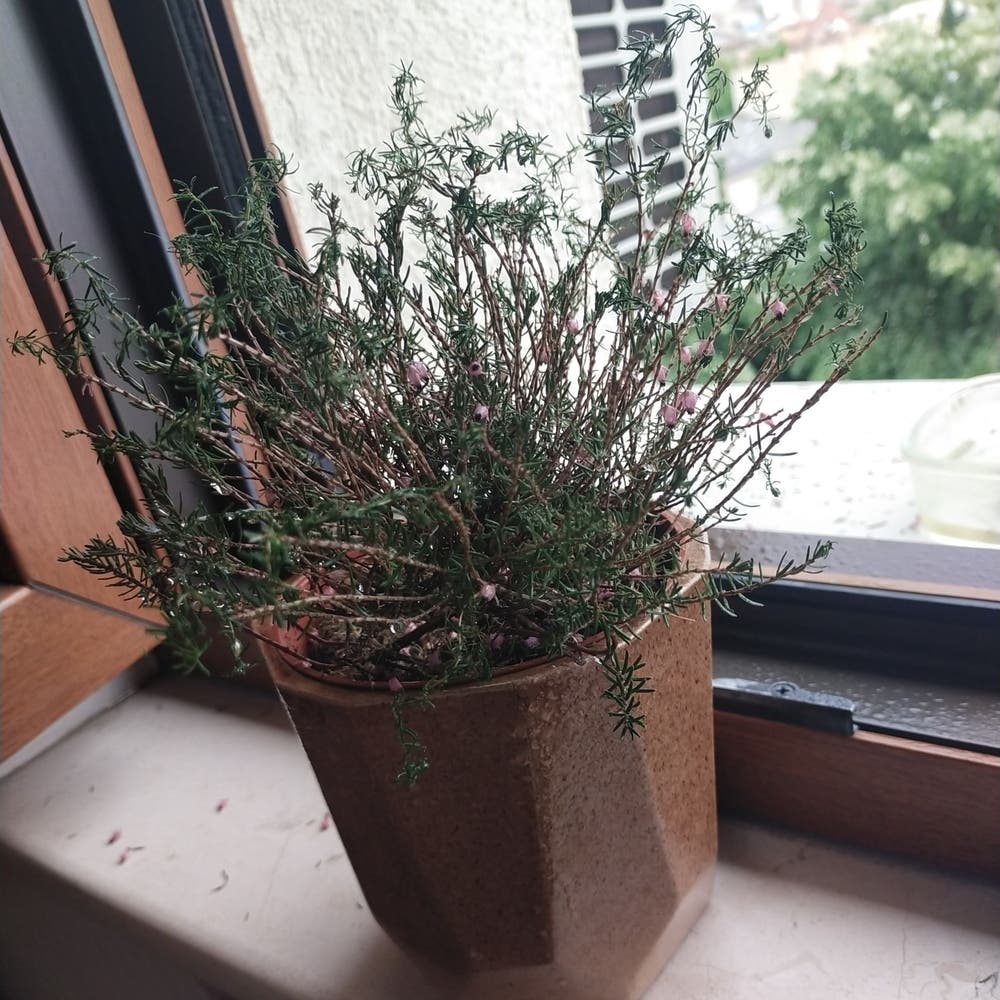
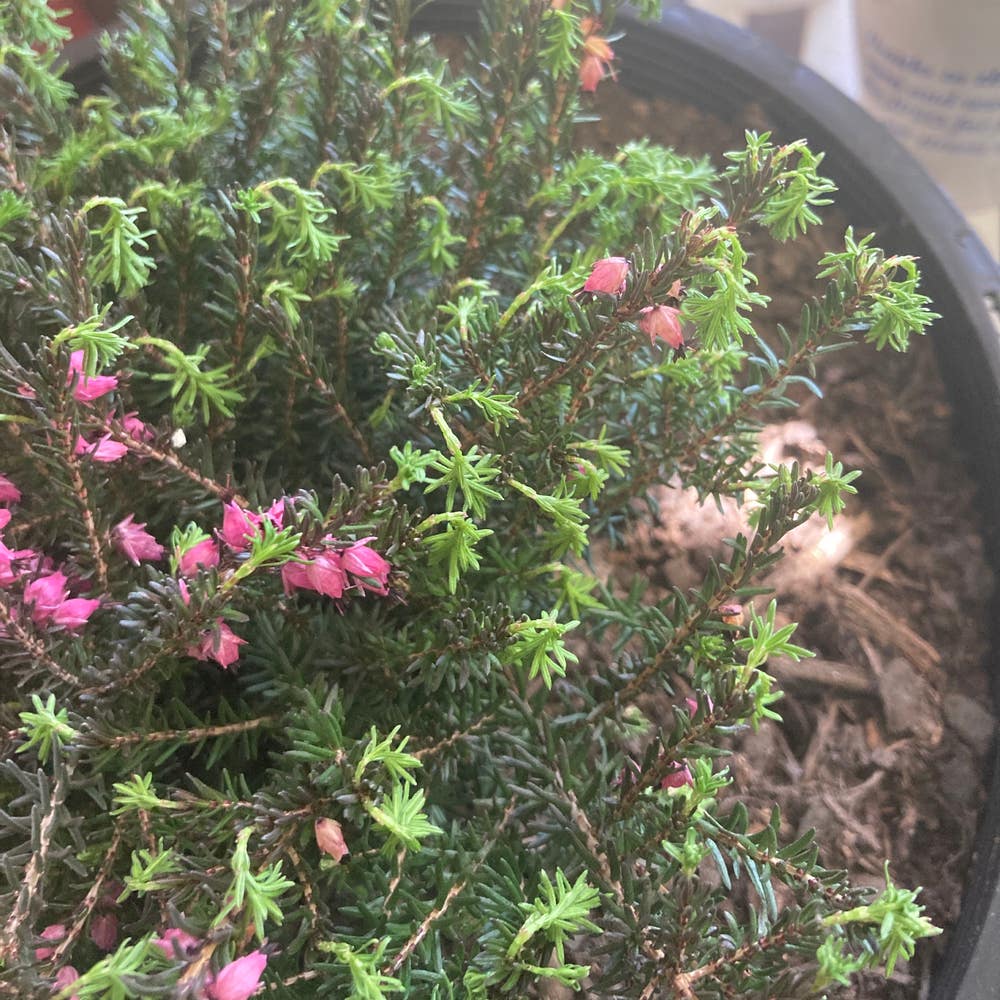
Additionally, White Heath provides seasonal interest. Its vibrant blooms and lush foliage create a year-round presence, enhancing the beauty of your garden through various seasons.
🌿 Garden Design Strategies Utilizing Perennial Nature
Companion planting is a fantastic strategy when incorporating White Heath. Pairing it with other perennials fosters biodiversity, creating a thriving ecosystem in your garden.
For landscape design, consider incorporating White Heath in heathland gardens. Its natural habitat complements other native plants, creating a harmonious and visually appealing environment.
🌱 Tips for Maximizing Longevity and Health
Soil preparation is crucial for White Heath's success. Ensure you use acidic, well-drained soils to promote healthy root development.
Watering practices also play a vital role. Maintain moisture levels without waterlogging to support robust growth.
Lastly, pay attention to fertilization. Understanding its nutrient needs will help you achieve optimal growth and vibrant blooms.
By following these guidelines, you can enjoy the beauty and benefits of White Heath in your garden for years to come. Transitioning to the next topic, let's explore effective management tips to keep your White Heath thriving.
Management Tips
Best Practices for Managing White Heath 🌿
Pruning Techniques
Pruning is essential for encouraging healthy growth and vibrant flowering in White Heath. Regularly trim back dead or damaged branches to promote new growth and maintain an attractive shape.
Pest Management
Identifying common pests early can save your White Heath from significant damage. Keep an eye out for aphids and spider mites, and use organic insecticides or natural remedies to address infestations promptly.
Seasonal Considerations for Care and Maintenance 🌱
Spring
Spring is the perfect time for fertilization and monitoring new growth. Apply a balanced fertilizer to kickstart the plant's growth after dormancy.
Summer
During summer, focus on watering and deadheading flowers. Ensure the soil remains moist but not waterlogged, and remove spent blooms to encourage further flowering.
Fall/Winter
As fall approaches, prepare your White Heath for dormancy. Mulch around the base to protect roots from freezing temperatures and reduce moisture loss.
Common Challenges and Solutions ⚠️
Disease Resistance
White Heath can be susceptible to diseases like root rot. Regularly inspect your plants and ensure proper drainage to prevent water accumulation.
Environmental Stress
Drought or poor soil conditions can stress your White Heath. Implement strategies like mulching and selecting drought-resistant varieties to mitigate these effects.
Longevity Issues
To extend the life of your White Heath, focus on proper care and maintenance. Regular pruning, appropriate watering, and nutrient management can significantly enhance its longevity in your garden.
With these management tips, you can ensure that your White Heath thrives, adding beauty and resilience to your garden. Next, let’s explore the gardening implications of planting this remarkable perennial.
⚠️ Safety First
This content is for general information and may contain errors, omissions, or outdated details. It is not medical, veterinary advice, or an endorsement of therapeutic claims.
Always consult a qualified healthcare professional before using any plant as food, medicine, or supplement.
Never eat any plant (or feed one to pets) without confirming its identity with at least two trusted sources.
If you suspect poisoning, call Poison Control (800) 222-1222, the Pet Poison Helpline (800) 213-6680, or your local emergency service immediately.
Spotted an error? Please report it here.
Discover the perennial power of White Heath 🌼 and let Greg guide you with personalized care tips and reminders to keep your garden thriving season after season!