10 Easy Ways to Pollinate Tree Heath 🐝
Erica arborea
By the Greg Editorial Team
Sep 30, 2024•6 min read
This article was created with the help of AI so we can cover more plants for you. May contain errors. See one? Report it here.
Unlock the secrets of Tree Heath's flowers 🌸 and their vital role in supporting local biodiversity! 🌼
- 🌼 Tree Heath attracts bees, butterflies, and hummingbirds for effective pollination.
- 🌱 Cross-pollination boosts genetic diversity, enhancing Tree Heath's resilience.
- 🐝 Hand pollination can improve reproduction; timing is key for success.
Flower Structure
Description of Characteristics 🌸
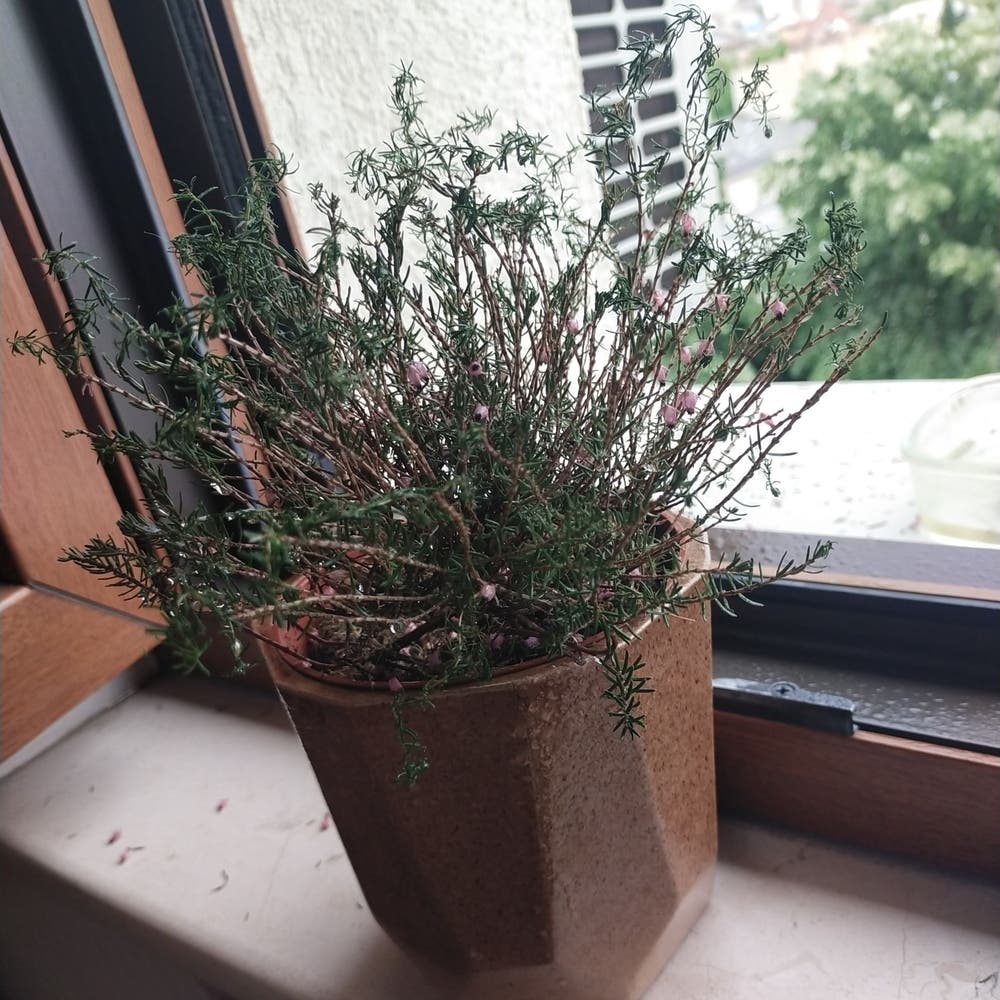
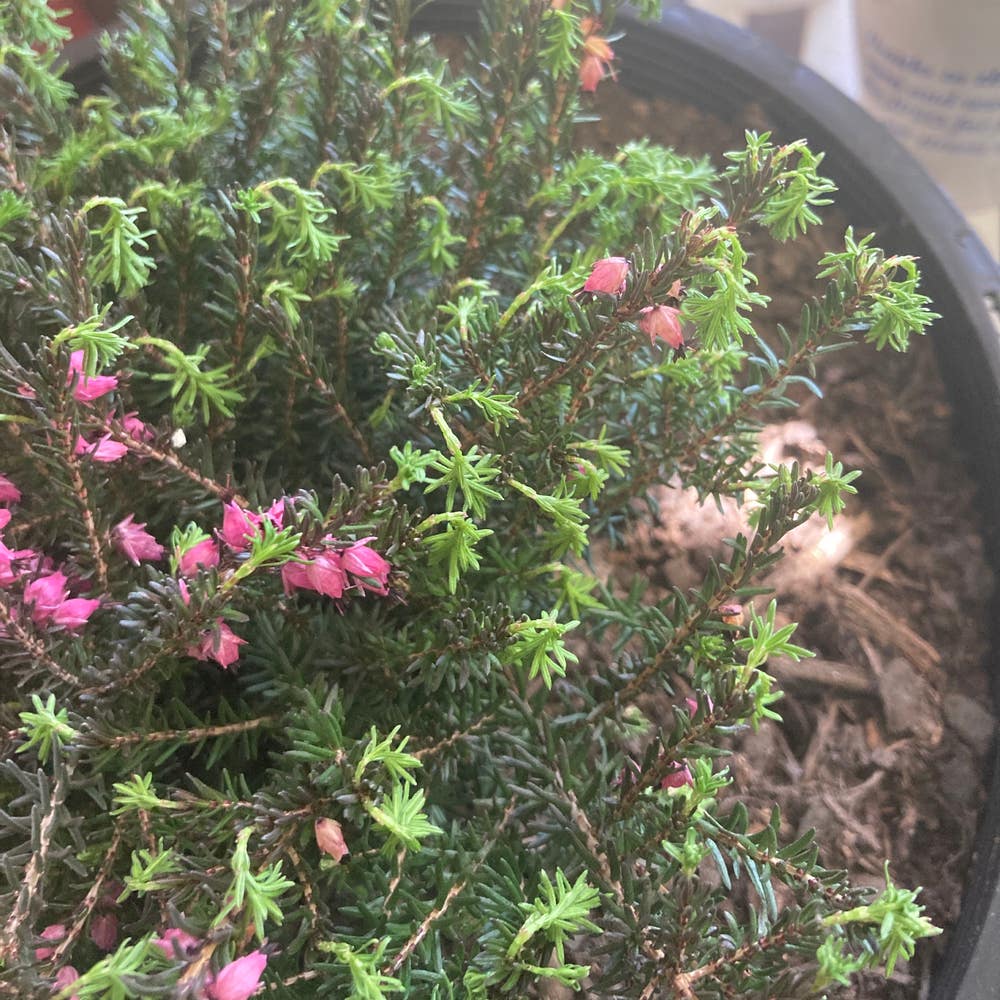
Tree Heath features small, bell-shaped flowers that are a delight to behold. Their colors typically range from white to pink, creating a soft, inviting appearance.
The flowers are arranged in clusters, which not only enhances their visual appeal but also makes them more accessible to pollinators. This clustering is crucial for attracting the right species.
Role in Pollination 🐝
The shape and color of Tree Heath flowers play a significant role in attracting specific pollinator species. Bright colors and unique shapes signal to pollinators that a rewarding nectar source is nearby.
Additionally, the arrangement of petals, sepals, stamens, and pistils is designed to facilitate effective pollen transfer. This structural design ensures that pollinators can easily access the reproductive parts of the flower, promoting successful pollination.
Understanding these characteristics is essential for appreciating how Tree Heath thrives in its ecosystem. Next, we’ll explore the fascinating pollination process that follows.
Pollination Process
🌱 Self-Pollination vs. Cross-Pollination
Tree Heath has a fascinating self-pollination mechanism. This allows the plant to fertilize itself, ensuring reproduction even in the absence of pollinators.
However, cross-pollination is where the magic truly happens. It promotes genetic diversity, leading to healthier and more resilient plants.
🐝 Primary Pollinator Species
Several key pollinators play a vital role in the success of Tree Heath's pollination. These include bees, butterflies, moths, and hummingbirds.
Bees
Bees are the heavyweights of pollination. They are attracted to the sweet scent and vibrant colors of Tree Heath flowers, effectively transferring pollen as they move from bloom to bloom.
Butterflies
Butterflies add a splash of beauty while contributing to pollination. Their long proboscis allows them to reach deep into the flowers, ensuring effective pollen transfer.
Moths
Moths, often active at night, are crucial for pollination after dark. Their unique adaptations help them navigate and pollinate Tree Heath when other pollinators are inactive.
Hummingbirds
Hummingbirds are agile and energetic pollinators. Their rapid wing beats and ability to hover make them perfect for accessing Tree Heath's nectar-rich flowers.
Understanding these pollinators and their interactions with Tree Heath can enhance your gardening efforts. Next, we’ll explore natural pollination mechanisms and their importance in maintaining biodiversity.
Natural Pollination
🌬️ Pollen Transfer Mechanisms
Tree Heath relies on various mechanisms for pollen transfer, ensuring effective reproduction. The small, bell-shaped flowers are strategically designed to facilitate this process.
Wind plays a subtle yet crucial role in dispersing pollen. However, animal activity, particularly from pollinators, is the primary driver of successful pollination. Bees, butterflies, and other creatures visit the flowers, transferring pollen as they seek nectar.
🌼 Importance of Pollination
Pollination is vital for Tree Heath's reproduction and genetic diversity. Successful pollination leads to the production of seeds, which are essential for the plant's lifecycle.
Moreover, Tree Heath contributes significantly to local biodiversity. By supporting various pollinators, it creates a thriving ecosystem that benefits numerous species. This interconnectedness highlights the importance of preserving Tree Heath habitats for ecological balance.
As we explore the next section, we’ll delve into hand pollination techniques that can further enhance the success of Tree Heath reproduction.
Hand Pollination Techniques
Hand pollination can be a rewarding way to ensure the success of your Tree Heath plants. Here’s a straightforward guide to help you through the process.
Step 1: Identifying Male and Female Flower Parts 🌸
Start by recognizing the male and female components of the flowers.
- Male Parts: Look for the anthers and stamens, which are responsible for producing pollen.
- Female Parts: Identify the pistils and stigma, where the pollen needs to land for fertilization.
Step 2: Collecting Pollen 🌼
Once you've identified the male flowers, it's time to gather the pollen.
Gently tap or shake the male flowers to release the pollen. This can be done with your fingers or a soft brush, ensuring you collect enough for effective transfer.
Step 3: Transferring Pollen 🖌️
Now, you’ll need to apply the collected pollen to the female flowers.
Use a small brush or your fingers to carefully place the pollen onto the stigma of the female flowers. Make sure to cover the stigma thoroughly for the best chance of successful fertilization.
Step 4: Timing for Optimal Success ⏰
Timing is crucial for hand pollination.
Aim to perform this task during the peak flowering period when the flowers are fully open. This is typically in the morning when temperatures are cooler and pollination is most effective.
By following these steps, you can significantly enhance the pollination success of your Tree Heath plants. This hands-on approach not only boosts their reproductive potential but also deepens your connection to the gardening process.
Next, let’s explore how to support pollinators in your garden, ensuring a thriving ecosystem for your plants.
Supporting Pollinators
🌼 Creating a Pollinator-Friendly Environment
Designing a garden that attracts pollinators is both rewarding and essential. Start by incorporating a variety of flowering plants that bloom at different times throughout the season.
Diverse plantings not only provide food sources but also create habitats for various pollinators. Avoiding pesticides is crucial; these chemicals can harm beneficial insects and disrupt the delicate balance of your garden ecosystem.
🌿 Suggested Companion Plants
Companion plants can significantly enhance the pollination success of Tree Heath. Consider adding plants like lavender, echinacea, and bee balm to your garden.
These plants attract beneficial pollinators such as bees and butterflies, which are vital for effective pollination. By creating a vibrant, diverse garden, you not only support Tree Heath but also contribute to the overall health of local biodiversity.
With a little effort, you can cultivate an environment that thrives with life, ensuring your Tree Heath and other plants flourish. Next, let’s explore the challenges pollinators face and how to overcome them.
Pollination Challenges
Common Obstacles 🐝
Pollination faces several challenges, primarily due to environmental factors. Temperature fluctuations and humidity levels can significantly impact the success of pollination in Tree Heath.
Additionally, the decline in pollinator populations poses a serious threat. Habitat loss and pesticide use have led to fewer bees, butterflies, and other essential pollinators, making it harder for Tree Heath to reproduce effectively.
Solutions for Overcoming Challenges 🌼
Improving pollinator habitats is crucial for enhancing pollination success. Planting native flowers and creating diverse ecosystems can attract and support a variety of pollinators.
Gardeners can also take proactive steps to boost pollination. This includes avoiding pesticides and providing food sources for pollinators throughout the growing season.
Seasonal considerations are vital as well. Understanding the flowering cycles of Tree Heath and timing planting accordingly can maximize pollination opportunities.
By addressing these challenges, we can foster a healthier environment for Tree Heath and its pollinators. This not only benefits the plants but also supports local biodiversity, creating a thriving ecosystem.
⚠️ Safety First
This content is for general information and may contain errors, omissions, or outdated details. It is not medical, veterinary advice, or an endorsement of therapeutic claims.
Always consult a qualified healthcare professional before using any plant as food, medicine, or supplement.
Never eat any plant (or feed one to pets) without confirming its identity with at least two trusted sources.
If you suspect poisoning, call Poison Control (800) 222-1222, the Pet Poison Helpline (800) 213-6680, or your local emergency service immediately.
Spotted an error? Please report it here.
Boost your Tree Heath's pollination success 🌼 with Greg's tailored tips for creating a pollinator-friendly garden that attracts bees, butterflies, and more!