⚫ Managing Black Spots on Your White Heath Leaves
Erica arborea
By the Greg Editorial Team
Oct 21, 2024•5 min read
This article was created with the help of AI so we can cover more plants for you. May contain errors. See one? Report it here.
Revive your white heath leaves from black spots to brilliance with these essential diagnosis and treatment tips! 🌿
- 🔍 Inspect both sides of leaves to diagnose black spots effectively.
- 🌱 Use neem oil or baking soda for organic treatment of black spots.
- 💧 Maintain proper soil moisture and drainage to prevent black spots.
Diagnosing Black Spots
🔍 Visual Inspection Techniques
To effectively diagnose black spots on your white heath leaves, start with a thorough visual inspection. Check both the upper and lower surfaces of the leaves, as issues can often hide in less visible areas.
Next, pay attention to the patterns of the spots. Note their size, color, and distribution, as these details can provide crucial clues about the underlying problem.
🦠 Differentiating Between Fungal and Pest Issues
Identifying whether the issue is fungal or pest-related is essential for effective treatment. Look for signs of fungal infections, such as spore masses, webbing, and leaf decay, which can indicate a more serious problem.
On the other hand, pest indicators include the presence of insects, honeydew, and sticky residue on the leaves. These signs can help you pinpoint the exact cause of the black spots.
🌱 Soil and Moisture Analysis
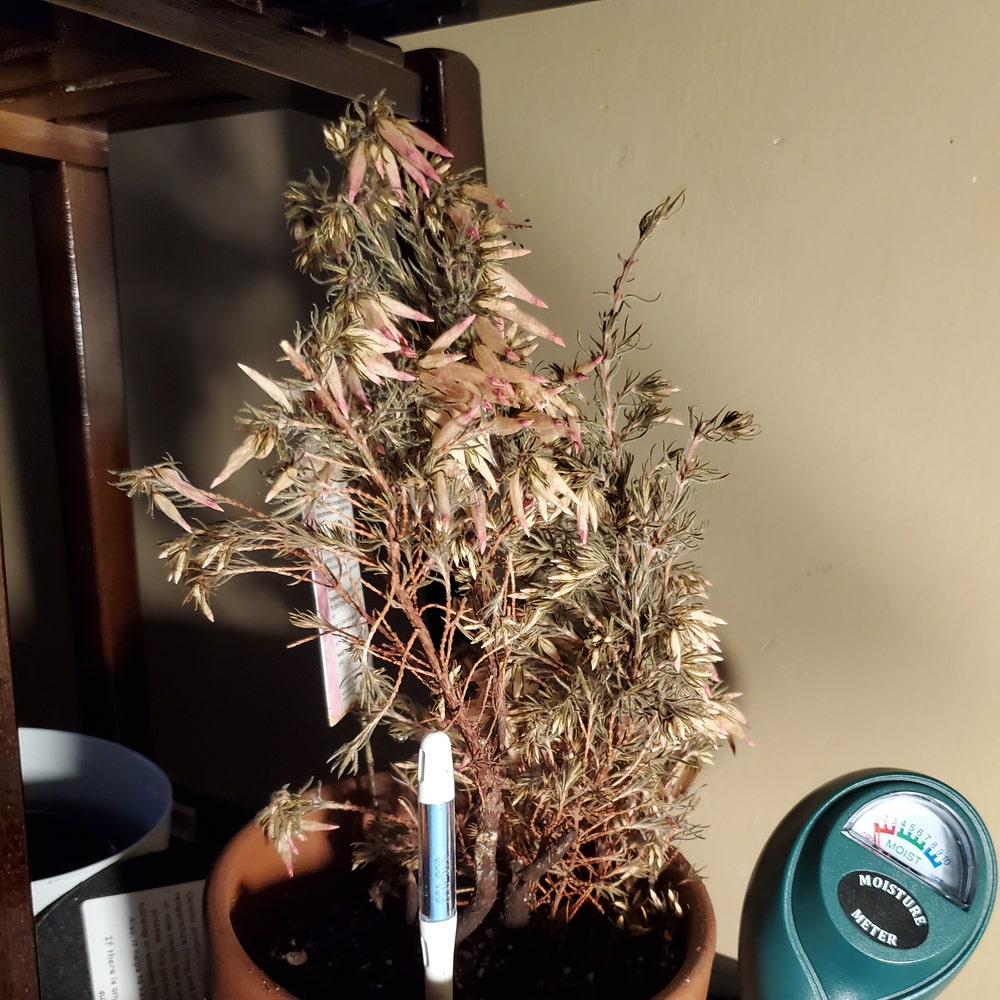
Soil and moisture conditions play a significant role in plant health. To test soil moisture, you can use simple methods like the finger test or a moisture meter to gauge how wet or dry the soil is.
Additionally, assessing soil health is crucial. Check pH levels and nutrient content to ensure your plants have the right environment to thrive. This analysis can help prevent future black spots from developing.
By diagnosing the issue accurately, you set the stage for effective treatment and prevention strategies. Next, we’ll explore how to treat those pesky black spots effectively.
Treating Black Spots
🌱 Organic Treatment Options
Neem Oil
Neem oil is a powerful organic treatment for black spots. Apply it by mixing two tablespoons of neem oil with a gallon of water, then spray both the upper and lower leaf surfaces every 7-14 days.
Baking Soda Solution
A simple baking soda solution can help combat fungal issues. Mix one tablespoon of baking soda with a gallon of water and a few drops of dish soap, then spray it on affected leaves weekly.
Other Organic Fungicides
Consider other organic fungicides like sulfur or copper-based products. These can be effective, but always follow the manufacturer's instructions for application and frequency.
🧪 Chemical Fungicides: When andSoil to Use
Identifying Suitable Fungicides
When opting for chemical fungicides, look for active ingredients like chlorothalonil or propiconazole. These are effective against various fungal infections.
Application Timing
Timing is crucial for effectiveness. Apply fungicides during dry weather, ideally in the early morning or late afternoon to minimize evaporation and maximize absorptiovarietiesy Precautions
Always prioritize safety by protecting beneficial insects and surrounding plants. Use targeted applications and avoid spraying on windy days to reduce drift.
✂️ Pruning Affected Leaves
When to Prune
Prune affected leaves as soon as you notice severe infection. This helps prevent the spread of disease to healthy parts of the plant.
Tools and Techniques
Use clean, sharp shears for pruning. This minimizes damage and reduces the risk of introducing new pathogens.
Disposal Methods
Dispose of infected plant matplant safely by sealing it in a plastic bag. Avoid composting to prevent the spread of sporeshumiditydressing black spots promptly with these trehumidity you can restore your white heath leaves to their vibrant state. Next, let’s explore how to prevent these issues from arisinair circulationplace.
Preventing Black Spots
🌊 Best Watering Practices
Maintaining optimal soil moisture is crucial forwatering practicesspots on your white heath leaves. Aim to water your plants deeply but infrequently, allowing the top inch of soil to dry out between waterings.
Drip irrootsion is often the best choice, as it delivers water directly to the rootorganic materialssture on the leaves. In contrast, overhead watering can lead to excess humidity and promote fungal growth, so use iplantsingly.
🏞️ Soil Health and Amendments
Soil drainage plays a vital role in plant health. Improving soil structure can prevent waterlogging, which is a breeding ground for diseases.
Incorporate organic matter like compost to enhance drainage and nutrient content. Additionally, testing and adjusting pH levels can create a more hospitable environment for your plants.
🌱 damageng Resistant Varieties
Selecting disease-resistant varieties can save you a lot of trouble down the line. Varieties like 'Alba' and 'Rosea' are known for their resilience against common issues, including black spots.
By choosing these plants, you not only reduce the risk of disease but also contribute to a healthier garden ecosystem. This proactive approach can lead to more vibrant and thriving plants in your landscape.
As you implement these preventive measures, you'll set the stage for healthier growth and fewer problems. Next, let's explore seasonal considerations to further enhance your plant care strategy.
Seasonal Considerations
Care During Wet Seasons 🌧️
Monitoring humidity levels is crucial during wet seasons. High humidity can lead to fungal infections, so consider using a hygrometer to keep track.
To reduce moisture accumulation, ensure good air circulation around your plants. You can achieve this by spacing them adequately and using fans if necessary.
Adjusting your watering practices is also essential. During wet seasons, you may need to water less frequently to prevent waterlogging.
Winter Protection Strategies ❄️
Insulating roots is vital to protect your white heath from frost damage. Mulching with organic materials can help maintain soil temperature and moisture levels.
If extreme cold is expected, consider transitioning your plants indoors. This will shield them from harsh winter conditions and promote healthier growth.
Spring Growth Monitoring 🌱
As spring arrives, look for signs of recovery in your plants. New growth and vibrant leaves indicate that your white heath is bouncing back.
Early intervention is key if you notice any signs of black spots. Addressing issues promptly can prevent further damage and ensure a healthy growing season ahead.
With proper care throughout the seasons, your white heath can thrive and remain beautiful year-round.
⚠️ Safety First
This content is for general information and may contain errors, omissions, or outdated details. It is not medical, veterinary advice, or an endorsement of therapeutic claims.
Always consult a qualified healthcare professional before using any plant as food, medicine, or supplement.
Never eat any plant (or feed one to pets) without confirming its identity with at least two trusted sources.
If you suspect poisoning, call Poison Control (800) 222-1222, the Pet Poison Helpline (800) 213-6680, or your local emergency service immediately.
Spotted an error? Please report it here.
Keep your white heath leaves healthy and vibrant 🌱 with Greg's tailored care tips and reminders to tackle black spots effectively!