How to Cure Yellow Leaves on Your White Heath 🩹
Erica arborea
By the Greg Editorial Team
Oct 21, 2024•7 min read
This article was created with the help of AI so we can cover more plants for you. May contain errors. See one? Report it here.
Revive your White Heath's vibrancy by mastering the causes of yellow leaves! 🌱
- 🌱 Yellow leaves indicate issues like nutrient deficiencies, pests, or watering problems.
- 💧 Overwatering causes root rot; underwatering leads to crispy edges. Balance is key!
- 🌞 White Heath thrives in 4-6 hours of sunlight; ensure proper light for health.
Causes of Yellow Leaves
🌱 Nutrient Deficiencies
Nitrogen Deficiency
Nitrogen deficiency manifests as pale yellow leaves and stunted growth. This nutrient is vital for chlorophyll production, which is essential for the overall vigor of your White Heath.
Iron Deficiency
Iron deficiency shows up as yellowing between leaf veins, a condition known as interveinal chlorosis. Iron is crucial for photosynthesis and enzyme function, making its presence essential for healthy foliage.
💧 Overwatering and Root Rot
Overwatering leads to yellow leaves, wilting, and mushy roots. Poor drainage and excessive watering can cause root rot, which severely damages the plant and can lead to its decline.
🌵 Underwatering and Drought Stress
Underwatering results in yellowing leaves, crispy edges, and drooping. Infrequent watering and dry soil conditions deprive your White Heath of the consistent moisture it needs to thrive.
🐛 Pest Infestations
Aphids
Aphids cause curling leaves and sticky residue on your plants. These pests can weaken the plant, leading to yellowing and overall stress.
Spider Mites
Spider mites leave fine webbing and stippled leaves in their wake. Their presence can significantly stress your White Heath, contributing to yellowing.
🍄 Fungal Diseases
Powdery Mildew
Powdery mildew appears as white powdery spots on leaves, often accompanied by yellowing. High humidity and poor air circulation can lead to this issue, which may result in leaf drop and reduced vigor.
Understanding these causes is the first step in addressing yellow leaves on your White Heath. By identifying the underlying issues, you can take effective action to restore your plant's health.
Diagnosing Yellow Leaves
👀 Visual Symptoms to Look For
When diagnosing yellow leaves on your White Heath, start by observing the leaf color. Look for yellowing patterns, spots, or wilting, which can indicate various issues.
Additionally, pay attention to growth patterns. Stunted growth or a leggy appearance often signals that something is amiss with your plant's health.
🧪 Soil Testing for pH and Nutrients
Soil health is crucial for your White Heath. The recommended pH range is between 4.5 to 6.0, which supports optimal nutrient uptake.
Conduct nutrient testing to assess nitrogen and iron levels. These elements are vital for your plant's overall vigor and chlorophyll production.
💧 Assessing Watering Habits
Watering practices can significantly impact your plant's health. Signs of overwatering include soggy soil and root rot, which can lead to severe damage.
Conversely, underwatering manifests as dry soil and wilting leaves. Consistent moisture is essential for maintaining the health of your White Heath.
🐛 Identifying Pests and Diseases
Regular inspections are key to early detection of pests. Check the undersides of leaves for any unwanted visitors.
Fungal signs, such as white powdery spots or unusual leaf textures, can also indicate a problem. Addressing these issues promptly can prevent further stress on your plant.
By carefully diagnosing these symptoms, you can take the necessary steps to restore your White Heath to its vibrant self. Next, let’s explore effective treatment options to cure those yellow leaves.
Treatment Options
🌊 Adjusting Watering Practices
Watering is crucial for your White Heath's health. Aim to water when the top inch of soil feels dry to the touch.
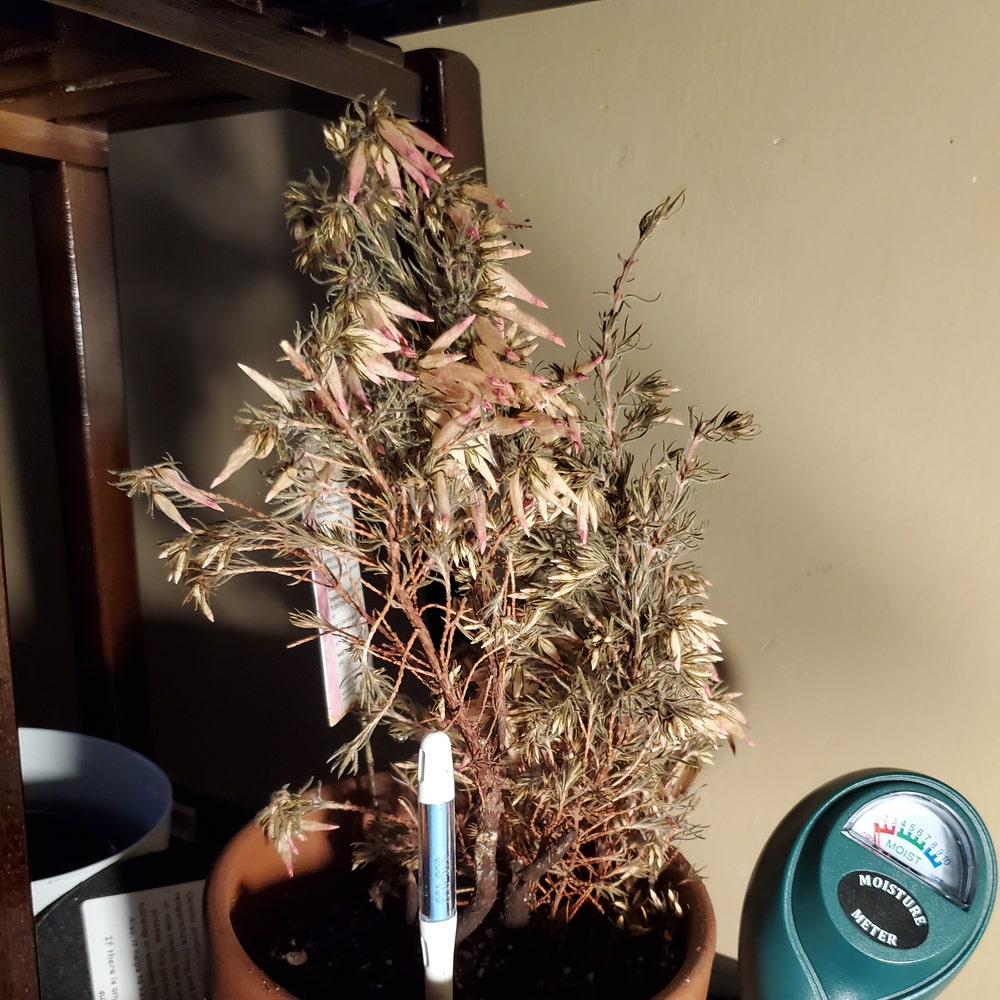
Using a moisture meter can help you gauge soil moisture accurately. This simple tool takes the guesswork out of watering, ensuring your plant gets just the right amount.
🌱 Fertilization Techniques
Type of Fertilizer
For optimal growth, use a balanced NPK fertilizer, such as 10-10-10. Alternatively, consider specific formulations designed for acid-loving plants.
These fertilizers provide essential nutrients that your White Heath craves, promoting vibrant foliage and robust growth.
Timing
Timing your fertilization is key. Apply fertilizer in early spring and again in late summer for the best results.
This schedule aligns with your plant's natural growth cycles, ensuring it has the nutrients it needs when it needs them most.
🐞 Pest Control Methods
Organic Options
For pest control, start with organic solutions like neem oil or insecticidal soap. These options are effective against common pests like aphids and spider mites.
Using organic methods not only protects your plant but also the environment, making it a win-win.
Chemical Options
In cases of severe infestations, systemic insecticides may be necessary. These chemicals work from within the plant, providing a more comprehensive solution.
Always follow label instructions carefully to ensure safe and effective application.
🍄 Fungal Treatment Options
Fungicides
If fungal issues arise, fungicides can be a lifesaver. Spray them on affected areas, making sure to follow the label instructions for best results.
Timely application can prevent further spread and keep your plant healthy.
Natural Remedies
For a more natural approach, consider a baking soda solution. Mix 1 tablespoon of baking soda with water to combat powdery mildew effectively.
This simple remedy is easy to make and can help restore your plant's health without harsh chemicals.
✂️ Pruning Affected Leaves
Pruning is an essential step in treatment. As soon as you notice yellowing leaves, it's time to act.
Use clean, sharp shears to prune affected areas, minimizing stress on the plant. This practice not only improves appearance but also encourages new growth.
With these treatment options, your White Heath can bounce back from yellowing leaves and thrive once again. Next, let’s explore preventative measures to keep your plant healthy in the long run.
Preventative Measures
🌱 Best Soil Mix
Creating the right soil mix is crucial for your White Heath's health. A recommended blend is 50% peat moss, 30% pine bark, and 20% perlite to ensure proper drainage.
Maintaining acidity is equally important. Aim for a pH level between 4.5 to 6.0 to provide the ideal environment for your plant.
💧 Ideal Watering Schedule
Watering frequency should be every 1-2 weeks, but always adjust based on weather conditions.
Consider using the Greg plant care app for reminders to keep your watering routine on track.
🐛 Regular Monitoring for Pests
Conduct weekly inspections during the growing season to catch any pest issues early.
Early detection is key; it can prevent severe infestations that could harm your plant.
🍃 Seasonal Care Tips
Spring Adjustments
In spring, focus on fertilization and pruning to encourage new growth.
This is the perfect time to give your White Heath a fresh start.
Fall Adjustments
As fall approaches, prepare for winter by reducing watering and protecting your plant from frost.
These adjustments help your plant transition smoothly into the colder months.
☀️ Importance of Proper Light Exposure
Your White Heath thrives in full sun to partial shade, ideally receiving 4-6 hours of direct sunlight daily.
If necessary, adjust the placement of pots or modify your garden layout to ensure optimal light exposure.
By implementing these preventative measures, you'll set your White Heath up for success and vibrant growth. Next, let’s explore common misconceptions about yellow leaves and plant health.
Common Misconceptions
🌿 Myths About Yellow Leaves and Plant Health
Many people assume that yellow leaves mean a plant is dying. However, this isn't always the case; yellowing can result from various factors, including nutrient deficiencies or environmental stress.
Understanding the specific symptoms is crucial for accurate diagnosis. For instance, if the yellowing is accompanied by stunted growth, it may indicate a nutrient issue rather than imminent death.
🧪 Clarifying the Role of Soil Acidity
A common misconception is that all plants thrive in neutral soil. In reality, White Heath prefers acidic conditions, typically between pH 4.5 and 6.0.
This acidity is vital for nutrient absorption and overall plant health. Ignoring this can lead to nutrient deficiencies, contributing to yellow leaves.
🍂 Understanding the Natural Aging Process of Leaves
It's essential to recognize that older leaves may yellow and drop naturally as part of their life cycle. This process doesn't necessarily indicate a problem with the plant's health.
Distinguishing between natural aging and health issues is key. If only a few older leaves are yellowing, it’s likely normal, but widespread yellowing warrants further investigation.
Understanding these misconceptions can empower you to care for your White Heath more effectively. Next, let’s explore how to diagnose yellow leaves accurately.
⚠️ Safety First
This content is for general information and may contain errors, omissions, or outdated details. It is not medical, veterinary advice, or an endorsement of therapeutic claims.
Always consult a qualified healthcare professional before using any plant as food, medicine, or supplement.
Never eat any plant (or feed one to pets) without confirming its identity with at least two trusted sources.
If you suspect poisoning, call Poison Control (800) 222-1222, the Pet Poison Helpline (800) 213-6680, or your local emergency service immediately.
Spotted an error? Please report it here.
Transform your White Heath's yellow leaves into lush green ones 🌿 by using Greg's tailored watering reminders and nutrient tips to keep your plant thriving and vibrant!