☀️ Good Temperature Range for Your White Heath
Erica arborea
By the Greg Editorial Team
Oct 21, 2024•3 min read
This article was created with the help of AI so we can cover more plants for you. May contain errors. See one? Report it here.
Unlock vibrant blooms for your white heath 🌼 by mastering its temperature needs and stress management techniques!
- 🌡️ Optimal temperature for white heath is 60°F to 70°F (15°C to 21°C) for growth.
- ❄️ Young plants need frost protection; they tolerate cold down to 20°F (-6°C).
- 🌞 Monitor temperatures to prevent heat stress above 80°F (27°C) and ensure plant health.
Temperature Needs for Growth
🌡️ Optimal Temperature Range
For your white heath, the ideal temperature range is between 60°F to 70°F (15°C to 21°C). Maintaining this range is crucial for promoting healthy growth and vibrant flowering.
Consistent temperatures within this optimal range significantly enhance root development and flowering. When your plant thrives in these conditions, it can focus its energy on blooming rather than just surviving.
🌼 Seasonal Temperature Variations
Spring
In spring, aim for temperatures between 55°F to 70°F (13°C to 21°C). Gradual warming during this season is essential for healthy growth, allowing your plant to acclimate smoothly.
Summer
During summer, the optimal temperatures rise to 60°F to 80°F (15°C to 27°C). However, be cautious of prolonged exposure to temperatures above 80°F (27°C), as this can stress your plant.
Fall
As fall approaches, expect transitioning temperatures between 50°F to 65°F (10°C to 18°C). This period prepares your white heath for cooler nights and potential frost, so keep an eye on the weather.
Winter
Your white heath can tolerate cold down to 20°F (-6°C). However, it’s vital to protect young plants from frost, as they are more vulnerable during the winter months.
Understanding these temperature needs will help you create the perfect environment for your white heath, ensuring it flourishes throughout the seasons. Next, let’s explore the signs and symptoms of temperature stress that can affect your plant.
Temperature Stress
Signs and Symptoms 🌡️
Understanding the signs of temperature stress is crucial for maintaining the health of your white heath.
Heat Stress
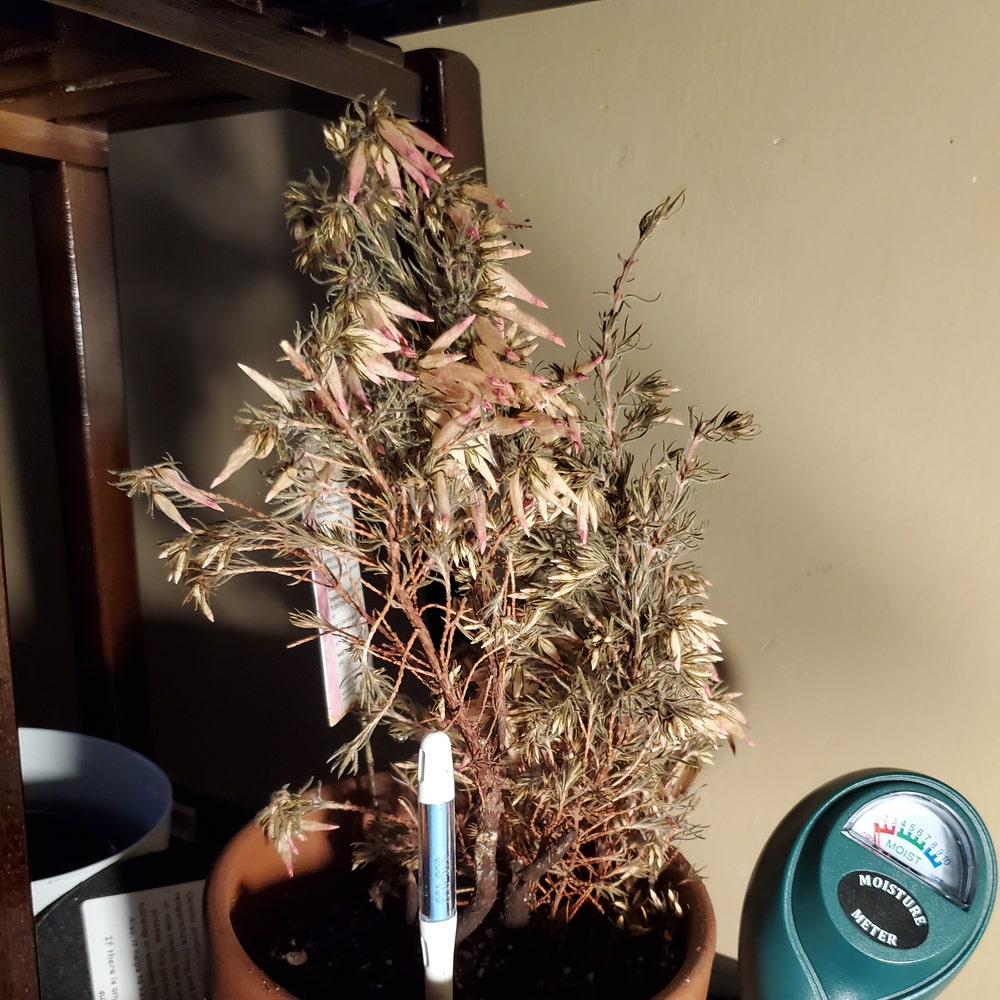
When your plant experiences heat stress, you may notice wilting leaves and drooping stems. Additionally, leaf scorch or browning at the edges can indicate that the temperature is too high.
Cold Stress
Cold stress manifests differently. Look for blackened or mushy leaves, which signal that your plant is struggling with low temperatures. Stunted growth or delayed flowering can also be a red flag.
Causes of Temperature Stress 🔍
Identifying the causes of temperature stress can help you take preventive measures.
Extreme Heat
Prolonged exposure to temperatures exceeding 80°F (27°C) is a primary culprit. Lack of adequate watering during heat waves can exacerbate the situation, leaving your plant vulnerable.
Frost
Frost poses a significant threat, especially to young plants. Late spring frosts can catch you off guard, while sudden drops in temperature during fall can lead to severe damage.
Recognizing these signs and causes is the first step in ensuring your white heath thrives. Next, let’s explore effective strategies to mitigate temperature stress and keep your plants healthy.
Mitigating Temperature Stress
🛡️ Protection Strategies
To safeguard your white heath from temperature stress, consider providing shade during heat waves. Using cloth or natural barriers can effectively shield your plants from the harsh sun.
In winter, windbreaks are essential. They protect your plants from cold winds, which can exacerbate temperature stress and damage delicate foliage.
🌱 Acclimatization Techniques
Acclimatization is key for indoor plants transitioning outdoors. Gradually exposing them to outdoor conditions helps them adapt without shock.
Keep an eye on temperature changes. Adjusting care based on these fluctuations ensures your plants remain healthy and resilient.
🌿 Use of Mulch or Protective Coverings
Mulch is a fantastic ally in regulating soil temperature and moisture. It helps maintain a stable environment for your white heath, promoting healthy growth.
During frost events, protective coverings are crucial for young plants. Materials like frost cloth or burlap can provide the necessary insulation.
Incorporating these strategies will help your white heath thrive, even in challenging conditions. With the right care, you can enjoy a flourishing garden year-round.
⚠️ Safety First
This content is for general information and may contain errors, omissions, or outdated details. It is not medical, veterinary advice, or an endorsement of therapeutic claims.
Always consult a qualified healthcare professional before using any plant as food, medicine, or supplement.
Never eat any plant (or feed one to pets) without confirming its identity with at least two trusted sources.
If you suspect poisoning, call Poison Control (800) 222-1222, the Pet Poison Helpline (800) 213-6680, or your local emergency service immediately.
Spotted an error? Please report it here.
Keep your white heath thriving year-round 🌿 by using Greg's tailored reminders to maintain its ideal temperature range for optimal growth and flowering!