Ultimate Guide to Fixing Dropping Leaves on White Heath 💧
Erica arborea
By the Greg Editorial Team
Oct 21, 2024•6 min read
This article was created with the help of AI so we can cover more plants for you. May contain errors. See one? Report it here.
Master essential care techniques to prevent leaf drop in your White Heath 🌱 and keep your plants thriving!
- 🌡️ Maintain 15°C to 25°C for optimal White Heath health and to prevent leaf drop.
- 💧 Balance watering; both overwatering and underwatering can cause dropping leaves.
- 🌱 Inspect for pests and fungal issues regularly to protect your White Heath from stress.
Causes of Leaf Drop
🌪️ Environmental Stress Factors
Temperature plays a crucial role in the health of your White Heath. The ideal range is between 15°C to 25°C (59°F to 77°F); anything outside this can stress the plant.
Humidity is another key factor. White Heath thrives in moderate humidity, and low levels can lead to significant stress and leaf drop.
💧 Soil Moisture Issues
Overwatering is a common pitfall. Symptoms include yellowing leaves and root rot, which can be detrimental to your plant's health.
On the flip side, underwatering can also cause problems. Look for wilting and crispy leaf edges as signs that your plant needs more water.
Soil drainage is vital. Ensure your White Heath is planted in well-drained, acidic soil to prevent waterlogging, which can lead to root issues.
🥦 Nutrient Deficiencies
Nutrient deficiencies can severely impact your plant. The most common culprits are nitrogen, phosphorus, and potassium.
Symptoms of these deficiencies include yellowing leaves, stunted growth, and poor flowering. Regular soil testing is essential to identify and address these nutrient levels.
🐜 Pest Infestations
Pests can wreak havoc on your White Heath. Common offenders include aphids and spider mites.
Look for signs of infestation, such as sticky residue, webbing, and discolored leaves. These pests can increase plant stress and contribute to leaf drop.
🍄 Fungal Infections
Fungal infections like root rot and powdery mildew are serious threats. Symptoms include wilting, leaf spots, and an overall decline in vigor.
Early detection and treatment are crucial. Addressing these issues promptly can help restore your plant's health and prevent further leaf drop.
Understanding these causes is the first step in diagnosing and treating leaf drop effectively. Next, we’ll explore how to diagnose the specific issues affecting your White Heath.
Diagnosing Leaf Drop
🌿 Identifying Symptoms
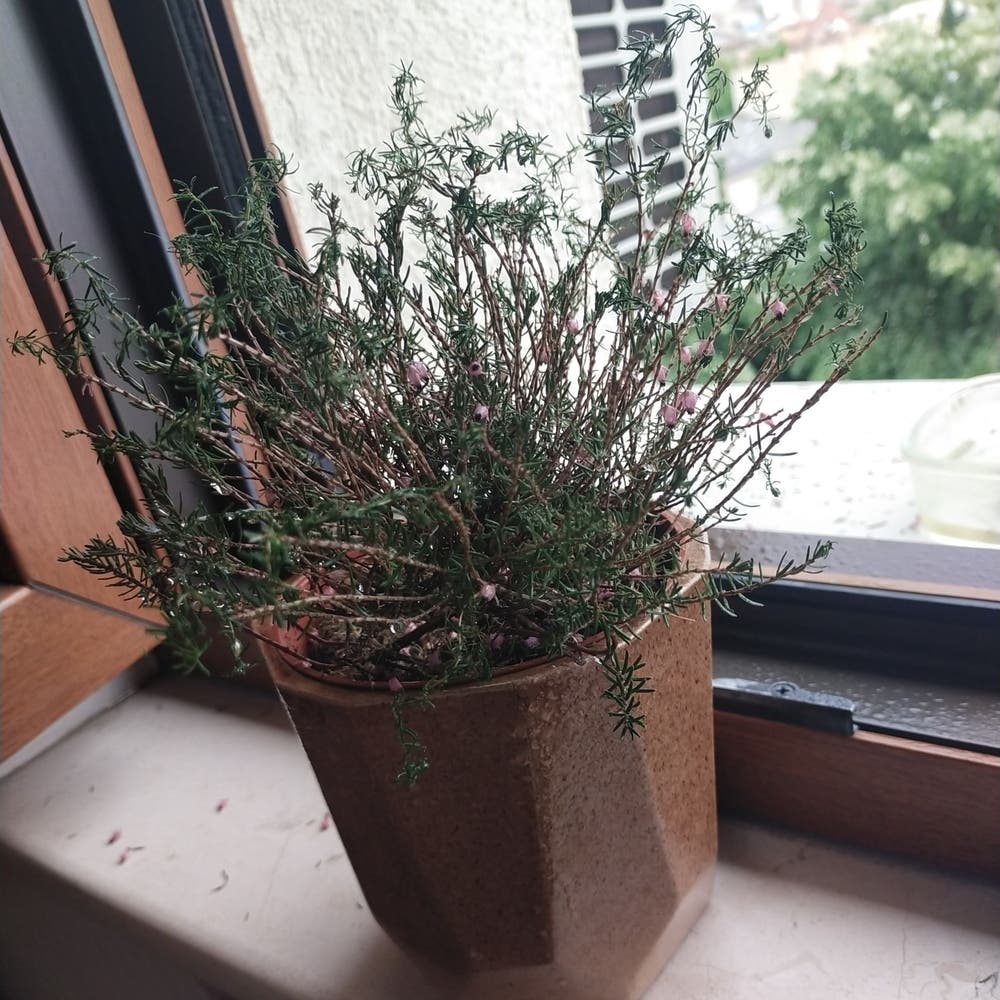
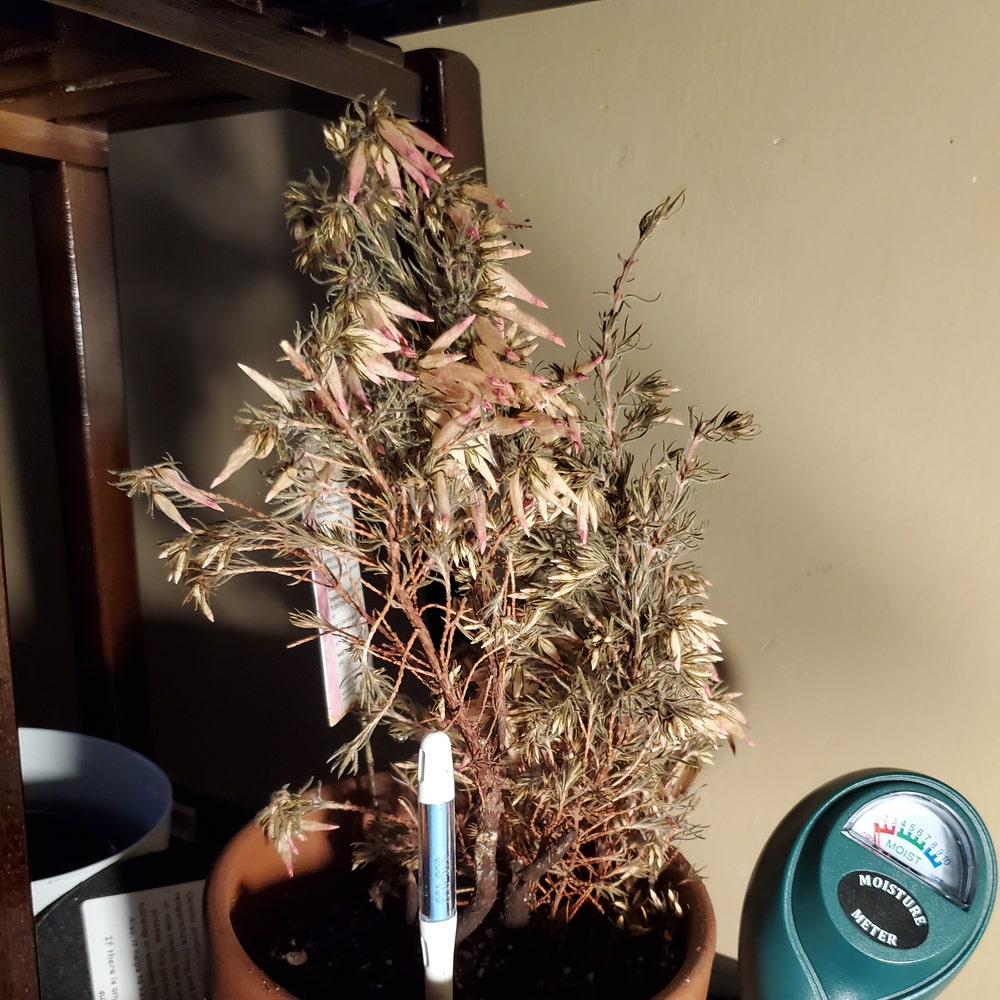
When diagnosing leaf drop, start by observing visual signs. Yellowing, wilting, and dropping leaves are key indicators of distress.
Additionally, pay attention to leaf texture changes. Crispy edges or mushy spots can signal underlying issues that need addressing.
🌡️ Assessing Environmental Conditions
Next, assess the environmental conditions surrounding your plant. Check temperature and humidity levels to ensure they fall within the ideal range.
Evaluating light exposure is also crucial. Consider both the duration and intensity of light your plant receives daily.
🌱 Checking Soil Health
Soil health plays a significant role in plant vitality. Use a moisture meter or your finger to check soil moisture levels.
Also, ensure the soil composition is appropriate. Proper acidity and drainage are vital to prevent waterlogging and nutrient deficiencies.
🐛 Observing Pest Activity
Regular inspections for pests can save your plant from further damage. Look closely for any signs of infestation.
Monitor for signs of damage or stress as well. Early detection of pests can make a significant difference in treatment outcomes.
By carefully diagnosing these aspects, you can pinpoint the cause of leaf drop and take effective action. This proactive approach sets the stage for healthier plant growth and resilience.
Preventing Leaf Drop
💧 Proper Watering Techniques
Watering your White Heath correctly is crucial. Allow the top inch of soil to dry out between waterings to prevent overwatering.
Deep watering is also essential. This technique encourages root growth, helping your plant thrive.
☀️ Ideal Light Conditions
Placement matters when it comes to light exposure. Aim for full sun to partial shade, and steer clear of overly shaded areas.
As seasons change, adjust light exposure accordingly. This ensures your plant receives the right amount of sunlight year-round.
🌱 Fertilization Schedule
Using the right fertilizer can make a significant difference. A balanced NPK formula is recommended for optimal growth.
Timing is key; fertilize during the growing season every 4-6 weeks. This routine helps maintain nutrient levels in the soil.
✂️ Regular Pruning Practices
Pruning is not just about aesthetics; it promotes healthy growth and airflow. Regularly trimming your plant can prevent overcrowding and leaf drop.
The best time to prune is late winter or early spring, just before new growth begins. This timing maximizes the benefits of your efforts.
By implementing these preventive measures, you can significantly reduce the chances of leaf drop in your White Heath. Next, let’s explore how to treat leaf drop effectively if it occurs.
Treating Leaf Drop
🌧️ Step-by-Step Treatment for Overwatering
Overwatering is a common culprit behind leaf drop. Start by assessing soil moisture using a moisture meter to gauge how wet the soil really is.
Next, adjust your watering schedule. Reduce the frequency and allow the soil to dry out between waterings. This simple change can make a significant difference.
If the problem persists, consider improving drainage. Repotting your plant in well-draining soil can prevent future waterlogging and promote healthier roots.
🥦 Addressing Nutrient Deficiencies
Nutrient deficiencies can also lead to leaf drop. Begin by conducting a soil test to identify specific nutrient needs.
Once you know what your plant is lacking, select an appropriate fertilizer based on the test results. This targeted approach ensures your plant gets exactly what it needs.
Finally, apply the fertilizer according to the recommended application rates. This will help restore balance and encourage robust growth.
🐛 Pest Management Strategies
Pests can wreak havoc on your plant's health. Start by identifying any pests present; a magnifying glass can be a handy tool for close inspection.
For treatment, consider options like neem oil or insecticidal soap. Introducing beneficial insects can also help keep pest populations in check.
Regular monitoring is crucial. Check for signs of re-infestation to ensure your plant remains healthy and thriving.
🍄 Fungal Disease Treatments
Fungal diseases can cause significant leaf drop. Begin by identifying symptoms such as wilting and leaf spots.
For treatment, you can use fungicides or organic solutions like baking soda. These options can effectively combat fungal issues without harming your plant.
Lastly, improve air circulation around your plants. Adequate spacing can help prevent fungal growth and promote overall plant health.
By addressing these issues, you can effectively treat leaf drop and foster a thriving White Heath. Next, let's explore common misconceptions about leaf drop causes to further enhance your understanding.
Common Misconceptions
🐛 Myths About Leaf Drop Causes
One common misconception is that leaf drop is always due to pests. While pests like aphids and spider mites can contribute to the problem, environmental factors and care practices often play a more significant role.
Understanding the full range of causes is crucial. Factors such as temperature fluctuations, humidity levels, and light exposure can all lead to leaf drop, sometimes even more so than pests.
🌱 Clarifying Care Practices
Balanced care is essential for healthy plants. Focusing solely on one aspect, like watering, can lead to neglect in other areas, which may ultimately harm your plant.
Tailoring care to meet your plant's specific needs is key. This means considering environmental conditions and adjusting your approach accordingly to ensure your White Heath thrives.
With a holistic understanding of plant care, you can prevent leaf drop and promote vibrant growth. Now that we've cleared up these misconceptions, let's dive into diagnosing leaf drop effectively.
⚠️ Safety First
This content is for general information and may contain errors, omissions, or outdated details. It is not medical, veterinary advice, or an endorsement of therapeutic claims.
Always consult a qualified healthcare professional before using any plant as food, medicine, or supplement.
Never eat any plant (or feed one to pets) without confirming its identity with at least two trusted sources.
If you suspect poisoning, call Poison Control (800) 222-1222, the Pet Poison Helpline (800) 213-6680, or your local emergency service immediately.
Spotted an error? Please report it here.
Keep your White Heath thriving 🌿 by using Greg's tailored reminders and monitoring tools to balance temperature, humidity, and watering for optimal health!