🌧️ Ultimate Guide to Fixing Droopy Leaves on White Heath
Erica arborea
By the Greg Editorial Team
Oct 21, 2024•5 min read
This article was created with the help of AI so we can cover more plants for you. May contain errors. See one? Report it here.
Transform your droopy White Heath into a thriving beauty 🌱 with essential care tips for moisture, nutrients, and pest control!
- 🌱 Regularly assess soil moisture to prevent droopy leaves on your White Heath.
- 🧪 Conduct soil tests for pH and nutrients to ensure optimal plant health.
- 🐛 Monitor for pests like aphids to protect your White Heath from damage.
Diagnosing the Problem
Assessing Soil Moisture Levels 🌧️
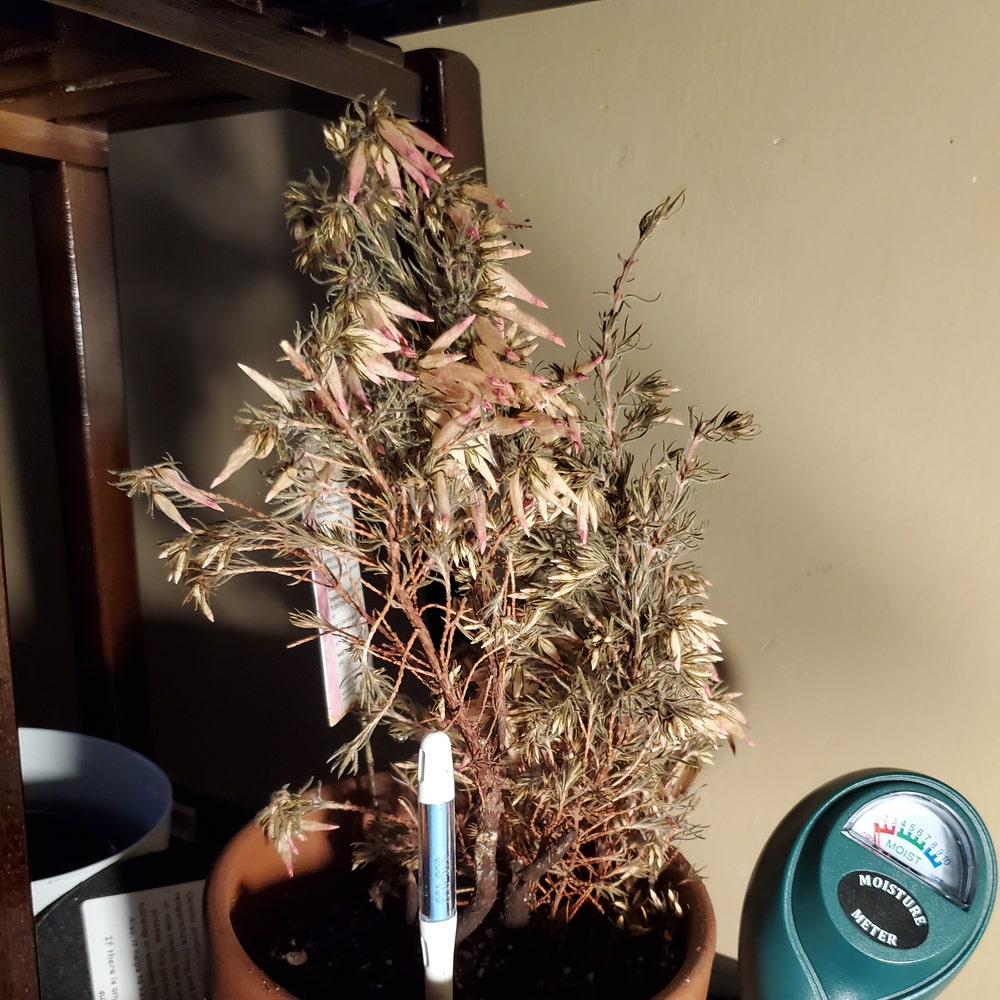
Understanding soil moisture is crucial for the health of your White Heath. You can measure moisture levels using a moisture meter or the finger test; both methods have their merits.
Aim to keep the soil consistently moist but not soggy. Checking moisture levels weekly during the growing season helps ensure your plant gets the right amount of water.
Identifying Nutrient Deficiencies 🥦
Nutrient deficiencies can manifest in various ways. For instance, nitrogen deficiency often shows as yellowing of older leaves, while phosphorus deficiency may present as dark green or purplish leaves.
Conducting a soil test is essential to analyze pH and nutrient levels. This step can help you pinpoint exactly what your plant needs to thrive.
Recognizing Signs of Pest Infestations 🐛
Pests can wreak havoc on your White Heath if not addressed promptly. Common culprits include aphids, which leave a sticky residue and cause curled leaves, and spider mites, recognizable by fine webbing and stippled leaves.
To control these pests, consider introducing natural predators or using insecticidal soap. Taking action early can save your plant from further damage.
With these diagnostic steps, you can effectively identify the issues affecting your White Heath. Next, let’s explore practical solutions to revive those droopy leaves.
Solutions for Droopy Leaves
🌊 Adjusting Watering Practices
To tackle droopy leaves, start by assessing your current watering schedule. Consider both the frequency and the amount of water you're providing.
Next, adjust your watering based on soil moisture readings. Water only when the top inch of soil feels dry to the touch.
Finally, use the proper watering technique. Water thoroughly until it drains from the bottom, ensuring the roots receive adequate moisture.
🪴 Amending Soil for Better Drainage
Identifying your soil type is crucial for improving drainage. Check if your soil is compacted or clay-heavy, as this can lead to water retention issues.
Amend the soil with organic matter like peat moss or perlite. These additions enhance aeration and drainage, promoting healthier root growth.
If necessary, consider re-potting your White Heath. Choose a pot with drainage holes to prevent water from pooling at the bottom.
🌱 Fertilization Tips to Address Nutrient Deficiencies
Choosing the right fertilizer is essential for addressing nutrient deficiencies. Look for a balanced NPK ratio to provide your plant with the nutrients it needs.
Timing is everything when it comes to fertilization. Apply fertilizer in early spring and again in mid-summer for optimal results.
For even distribution, dilute the fertilizer in water before application. This method ensures that nutrients reach the roots effectively.
By implementing these solutions, you can help your White Heath thrive and prevent droopy leaves from becoming a recurring issue. Next, let’s explore some preventative measures to keep your plant healthy year-round.
Preventative Measures
Best Practices for White Heath Care 🌱
Maintaining the health of your White Heath starts with an ideal watering routine. Aim for consistent moisture without waterlogging, ensuring the soil is damp but not saturated.
Soil requirements are crucial as well. White Heath thrives in acidic pH levels between 4.5 and 6.0, and it needs well-draining soil to prevent root rot.
Seasonal Adjustments to Care Routine 🌸
As the seasons change, so should your care routine. In spring, focus on fertilization and repotting to give your plant a fresh start.
Summer calls for increased watering frequency, as the heat can dry out the soil quickly. Conversely, in fall and winter, reduce watering and protect your plant from frost to keep it healthy.
Monitoring Environmental Conditions 🌤️
Keeping an eye on environmental conditions is essential for your White Heath's well-being. Maintain temperatures between 15°C and 25°C for optimal growth.
Humidity levels should hover around 40-60%. Additionally, adjust light exposure according to seasonal changes to ensure your plant receives the right amount of sunlight.
By following these preventative measures, you can foster a thriving environment for your White Heath. This proactive approach will help you avoid droopy leaves and promote long-term health.
Long-term Health of White Heath
Importance of Proper Potting and Soil Choice 🌱
Choosing the right pot is crucial for your White Heath's health. Opt for a pot that allows for adequate drainage; this prevents water from pooling and causing root rot.
Soil composition also plays a vital role. Use an acidic, well-draining mix to support your plant's growth. A pH level between 4.5 and 6.0 is ideal for White Heath.
Regular Maintenance Tips to Prevent Droopy Leaves ✂️
Pruning is essential for maintaining your plant's vigor. Regularly remove dead or damaged leaves to encourage new growth and improve airflow.
Additionally, conduct regular inspections to check for pests and diseases. Early detection can save your plant from more significant issues down the line.
Signs of Recovery and When to Seek Further Help 👀
Look for indicators of improvement, such as new growth and vibrant leaves. These signs suggest that your care adjustments are working.
If problems persist despite your best efforts, it may be time to consult a professional. Sometimes, expert advice can provide the insights needed for a thriving White Heath.
⚠️ Safety First
This content is for general information and may contain errors, omissions, or outdated details. It is not medical, veterinary advice, or an endorsement of therapeutic claims.
Always consult a qualified healthcare professional before using any plant as food, medicine, or supplement.
Never eat any plant (or feed one to pets) without confirming its identity with at least two trusted sources.
If you suspect poisoning, call Poison Control (800) 222-1222, the Pet Poison Helpline (800) 213-6680, or your local emergency service immediately.
Spotted an error? Please report it here.
Revive your droopy White Heath with smart watering tips 🌱 from Greg, ensuring you track moisture and nutrients for vibrant growth all year round!