🐛 What's Eating Your Tree Heath
Erica arborea
By the Greg Editorial Team
Sep 30, 2024•5 min read
This article was created with the help of AI so we can cover more plants for you. May contain errors. See one? Report it here.
Safeguard your tree heath from hungry herbivores 🌿 while fostering a thriving garden ecosystem with these essential tips!
- 🌳 Tree heath attracts herbivores but also supports vital pollinators like bees and butterflies.
- 🦌 Deer and rabbits threaten tree heath; use repellents and fencing for protection.
- 🐦 Birds aid pollination but can overconsume fruits; netting helps manage their impact.
Description and Appeal
Appearance 🌿
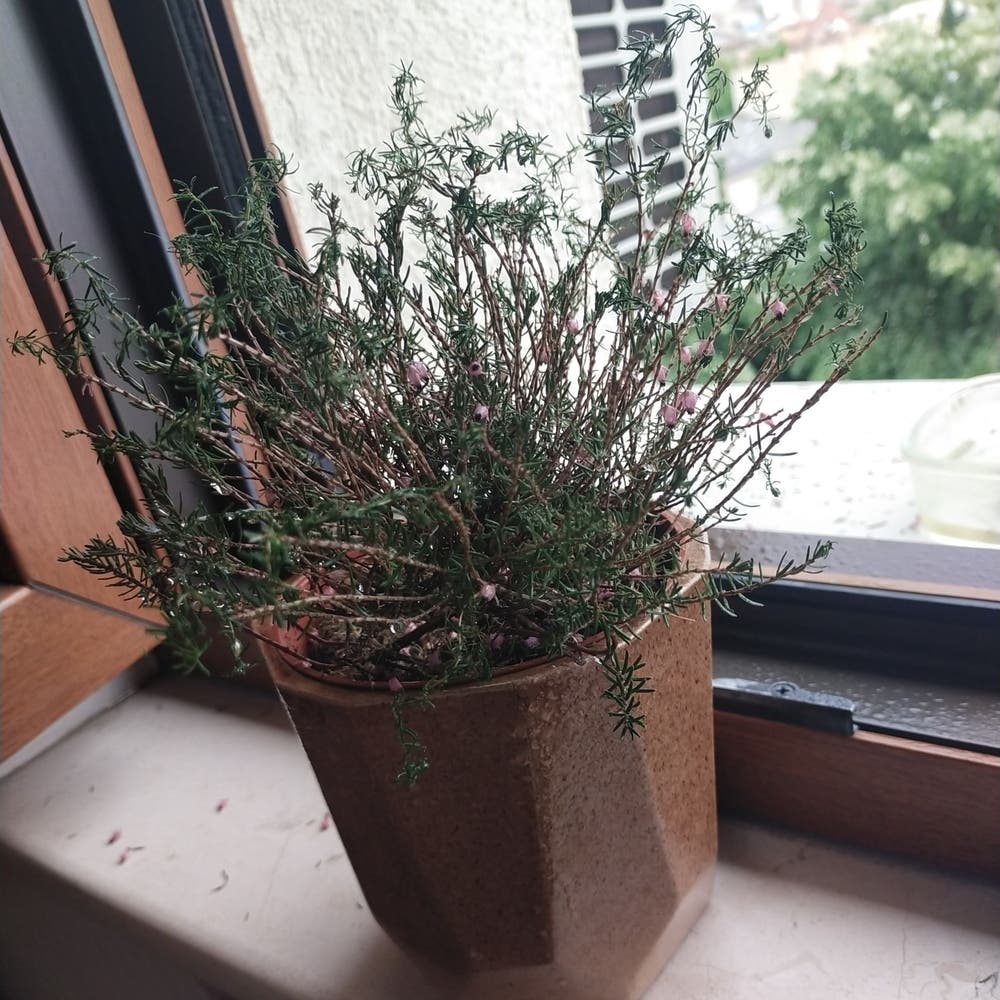
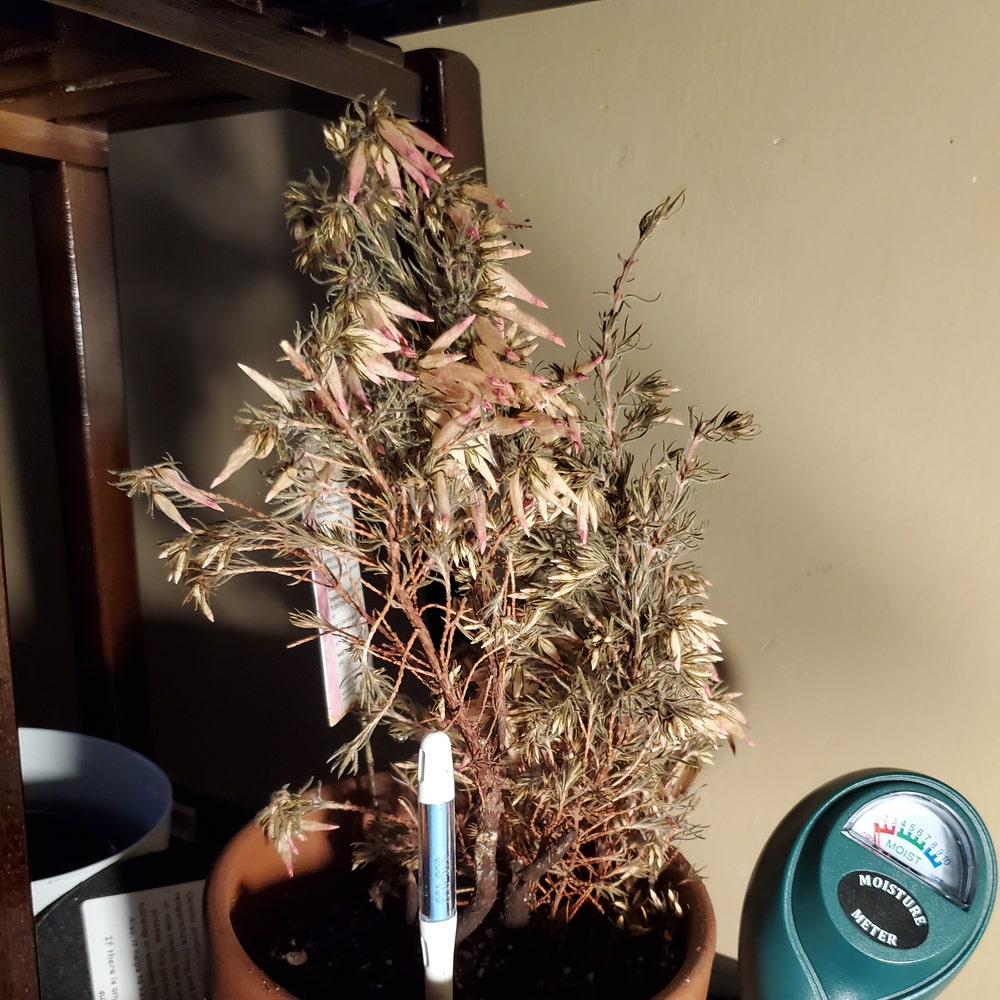
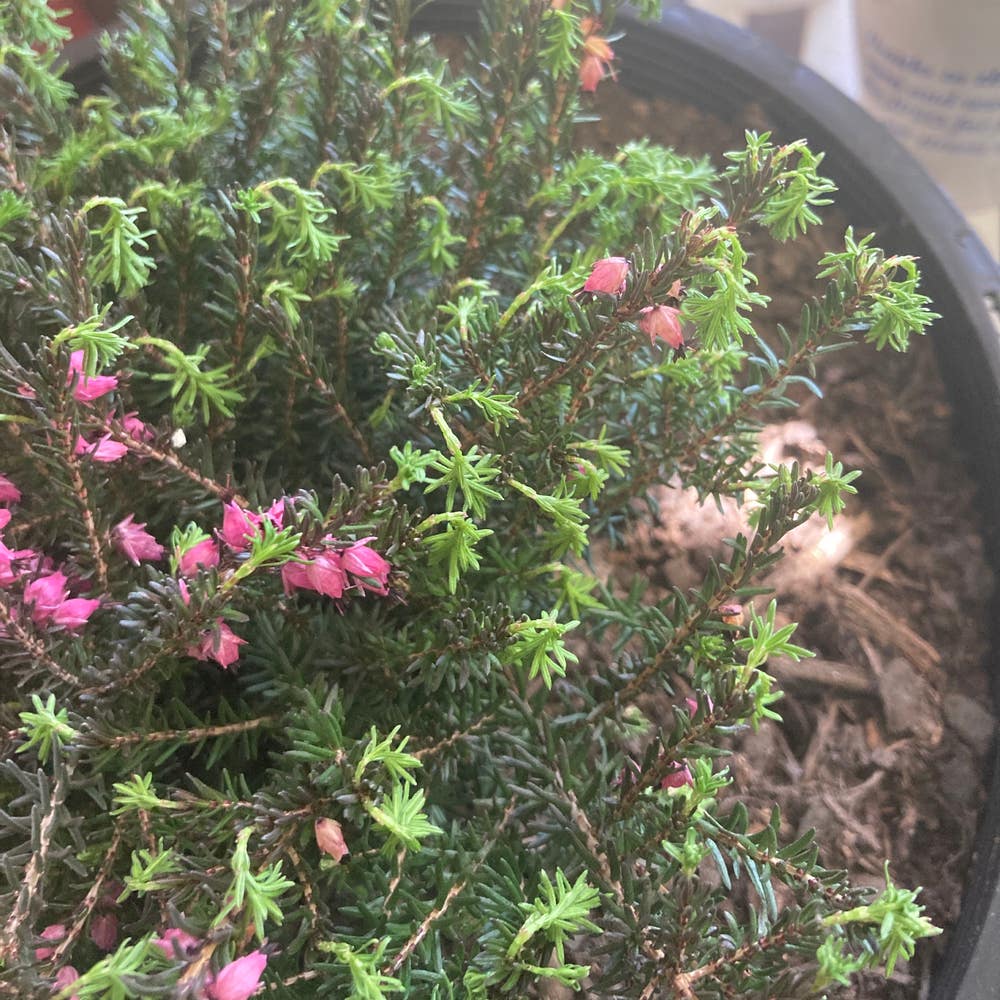
The tree heath is a hardy evergreen shrub, typically reaching heights of 1 to 3 meters (3 to 10 feet). Its needle-like, dark green leaves create a lush backdrop, while bell-shaped flowers bloom in shades of pink or white from late winter to early spring.
Attractive Parts to Animals 🐦
This shrub offers a buffet for wildlife. Young shoots are tender and nutritious, making them a favorite for herbivores. The flowers are rich in nectar, attracting various pollinators, while the small berries provide a delightful treat for birds and mammals alike.
The tree heath's vibrant features not only enhance gardens but also play a crucial role in supporting local ecosystems. Understanding its appeal helps us appreciate the delicate balance between flora and fauna.
As we explore the common herbivores that enjoy this plant, we can better protect our tree heath while fostering a thriving environment.
Common Herbivores
🦌 Deer
Signs and Damage
Deer are often the first culprits when it comes to tree heath damage. Look for tracks in muddy areas and signs of browsing on leaves and young shoots.
Interaction Type
Their presence is generally harmful, as they can significantly hinder the growth of your tree heath.
Deterrent Methods
To keep deer at bay, consider using commercial deer repellents. Alternatively, planting garlic or scattering human hair around your garden can serve as effective organic deterrents.
🐇 Rabbits
Signs and Damage
Rabbits leave small, round droppings and often create cleanly cut stems and leaves. These signs indicate their munching habits.
Interaction Type
Rabbits are generally harmful, particularly to young plants, which can suffer from their relentless nibbling.
Deterrent Methods
For easy deterrence, apply bitter-tasting sprays. You can also protect your plants by installing fencing with chicken wire.
🐿️ Squirrels
Signs and Damage
Squirrels are notorious for chewing bark and leaving behind missing fruits. You might also find nesting debris scattered around.
Interaction Type
Their activities are generally harmful, as they can cause significant bark damage.
Deterrent Methods
Capsaicin-based sprays can deter squirrels effectively. Additionally, using reflective tape or noise-makers can help keep them away.
🐦 Birds
Signs and Damage
Birds may leave peck marks on fruits and flowers, and you might notice nesting activity nearby.
Interaction Type
Their interaction is mixed; while they can be beneficial for pollination, they may also overconsume your plants.
Deterrent Methods
Non-toxic bird deterrent sprays can help manage their presence. For a more organic approach, consider netting over your fruits.
🐭 Rodents
Signs and Damage
Rodents create tunnels or burrows and often gnaw on roots and stems. Their activity can lead to significant damage.
Interaction Type
Rodents are generally harmful, as they can cause serious root damage.
Deterrent Methods
For a chemical solution, rodent bait stations are effective. Alternatively, planting mint or using essential oils can serve as organic deterrents.
🦡 Groundhogs
Signs and Damage
Groundhogs leave large burrows and are known for extensive chewing on stems and leaves.
Interaction Type
Their impact is generally harmful, as they can strip plants bare.
Deterrent Methods
Commercial groundhog repellents can be useful. For a more organic solution, erecting fencing at least 3 feet high can help keep them out.
Understanding these common herbivores and their interactions with your tree heath is crucial for maintaining a healthy garden. With the right deterrent methods, you can protect your plants and encourage a thriving ecosystem.
Beneficial Animals
Positive Ecosystem Roles 🐝
While some animals can be harmful to your tree heath, others play a vital role in its ecosystem. Pollinators like bees and butterflies are essential for the reproduction of many plants, including your tree heath.
These buzzing friends help transfer pollen from flower to flower, ensuring vibrant blooms and healthy growth. Meanwhile, birds contribute by acting as seed dispersers, aiding in the propagation of your tree heath and surrounding flora.
Their foraging habits help spread seeds across a wider area, promoting biodiversity. Embracing these beneficial animals can create a thriving environment for your tree heath and enhance its overall health.
Understanding the balance between harmful and helpful wildlife is crucial for effective garden management. By fostering a welcoming habitat for pollinators and seed dispersers, you can enjoy a flourishing landscape while minimizing damage from herbivores.
As we explore protection strategies next, consider how you can create a harmonious space for both your tree heath and its animal allies.
Protection Strategies
🛡️ Preventive Measures
To safeguard your tree heath, consider installing fencing around young plants. This barrier can effectively deter larger herbivores like deer and groundhogs.
Companion planting is another smart strategy. Pairing your tree heath with plants that naturally repel pests can create a protective ecosystem.
⚠️ Reactive Solutions
Regular monitoring is crucial for early detection of animal activity. Keep an eye out for signs like droppings or chewed leaves.
When you spot any unwanted visitors, act quickly with deterrent methods. The sooner you respond, the better your chances of protecting your plants.
🌱 Seasonal Variations
Be aware that spring brings increased herbivore activity. As plants awaken, so do the appetites of local wildlife.
In late summer, fruits and seeds become particularly attractive. This is when you might need to ramp up your protection efforts to keep your tree heath thriving.
With these strategies in place, you can enjoy the beauty of your tree heath while minimizing the impact of herbivores. Next, let’s explore the toxicity considerations that can influence animal interactions with your plants.
Toxicity Considerations
Toxic Effects 🐍
Certain parts of the tree heath exhibit mild toxicity, which can deter some herbivores from munching on them. This natural defense mechanism helps the plant survive in environments where grazing animals are prevalent.
Implications 📚
Understanding the toxicity of tree heath is crucial for managing animal interactions. By recognizing which parts are toxic, you can better balance the roles of herbivores and beneficial animals in your garden ecosystem.
This knowledge empowers you to create a thriving environment where both plants and wildlife can coexist harmoniously. As you explore these dynamics, consider how your protective strategies can enhance the health of your tree heath while supporting local wildlife.
⚠️ Safety First
This content is for general information and may contain errors, omissions, or outdated details. It is not medical, veterinary advice, or an endorsement of therapeutic claims.
Always consult a qualified healthcare professional before using any plant as food, medicine, or supplement.
Never eat any plant (or feed one to pets) without confirming its identity with at least two trusted sources.
If you suspect poisoning, call Poison Control (800) 222-1222, the Pet Poison Helpline (800) 213-6680, or your local emergency service immediately.
Spotted an error? Please report it here.
Keep your tree heath flourishing by using Greg's tailored strategies for protecting your greens 🌿 against herbivores and creating a harmonious garden ecosystem!