🌳 Tree Heath Is a Perennial
Erica arborea
By the Greg Editorial Team
Sep 30, 2024•5 min read
This article was created with the help of AI so we can cover more plants for you. May contain errors. See one? Report it here.
Transform your garden with tree heath's resilience and beauty, thriving year after year! 🌱
- 🌱 Tree heath is a perennial, thriving for 10-20 years with seasonal regrowth.
- 🌼 Blooms from late winter to early spring, attracting essential pollinators.
- 💧 Deep roots enhance drought tolerance, making tree heath resilient in various climates.
Characteristics of Tree Heath as a Perennial
🌱 Definition of Perennial Plants
Perennial plants are remarkable organisms that live for more than two years, regrowing from their root systems each season. Unlike annuals, which complete their lifecycle in one year, or biennials that take two years, perennials offer gardeners a sustainable option for long-term beauty and resilience.
🌳 Multi-Year Lifecycle and Growth Patterns
The lifecycle of tree heath unfolds in distinct stages: germination, establishment, maturity, and renewal. Each year, it relies on its robust root system to regrow, showcasing its remarkable ability to thrive from the same roots.
Growth Habits
Initially, tree heath may exhibit slow growth, but this is just the beginning. As it matures, it develops a vigorous growth pattern, becoming more robust and vibrant with each passing year.
Root System Characteristics
Tree heath boasts deep and extensive roots that not only anchor the plant but also enhance its drought tolerance and nutrient uptake. This strong foundation is essential for its survival and overall health, allowing it to flourish even in challenging conditions.
Understanding these characteristics helps gardeners appreciate the unique advantages of incorporating tree heath into their landscapes. With its perennial nature, this plant becomes a steadfast companion in any garden, promising beauty and resilience year after year.
Next, we will explore the flowering patterns and lifespan of tree heath, delving into how these aspects contribute to its appeal.
Flowering and Lifespan
🌸 Flowering Patterns and Seasonal Changes
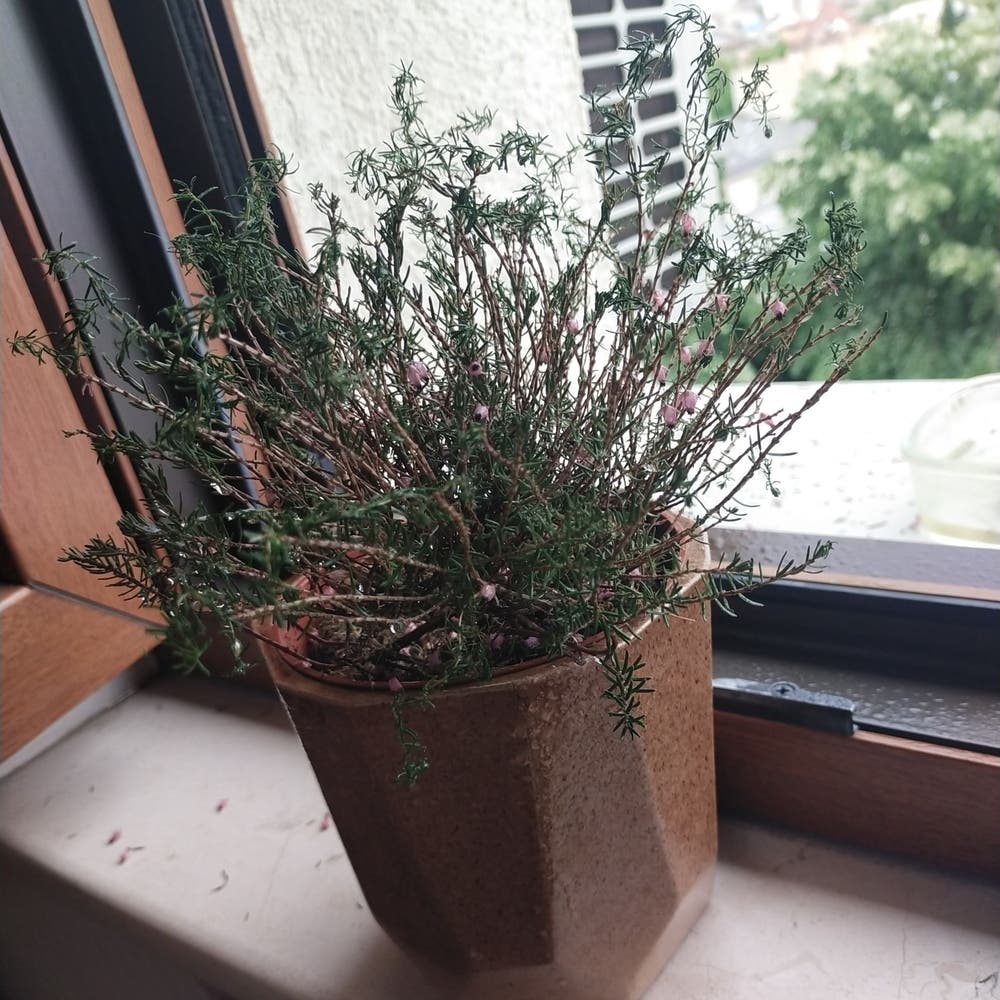
Tree heath typically blooms from late winter to early spring. This timing is crucial as it attracts pollinators just as they emerge from their winter slumber.
Seasonal changes play a significant role in flowering. Temperature and moisture levels can greatly affect both the intensity and duration of blooms, making it essential for gardeners to monitor these factors closely.
⏳ Expected Lifespan and Influencing Factors
On average, tree heath can live between 10 to 20 years. This lifespan largely depends on environmental conditions, including soil quality and climate.
Several factors influence longevity. Proper care practices, such as regular watering and appropriate fertilization, can extend the life of your tree heath significantly.
Dormancy and Seasonal Changes
Understanding Dormancy 🌱
Dormancy in tree heath occurs during colder months when the plant enters a state of reduced metabolic activity. This is a natural survival strategy, allowing the plant to conserve energy until conditions improve.
Signs of Dormancy 🍂
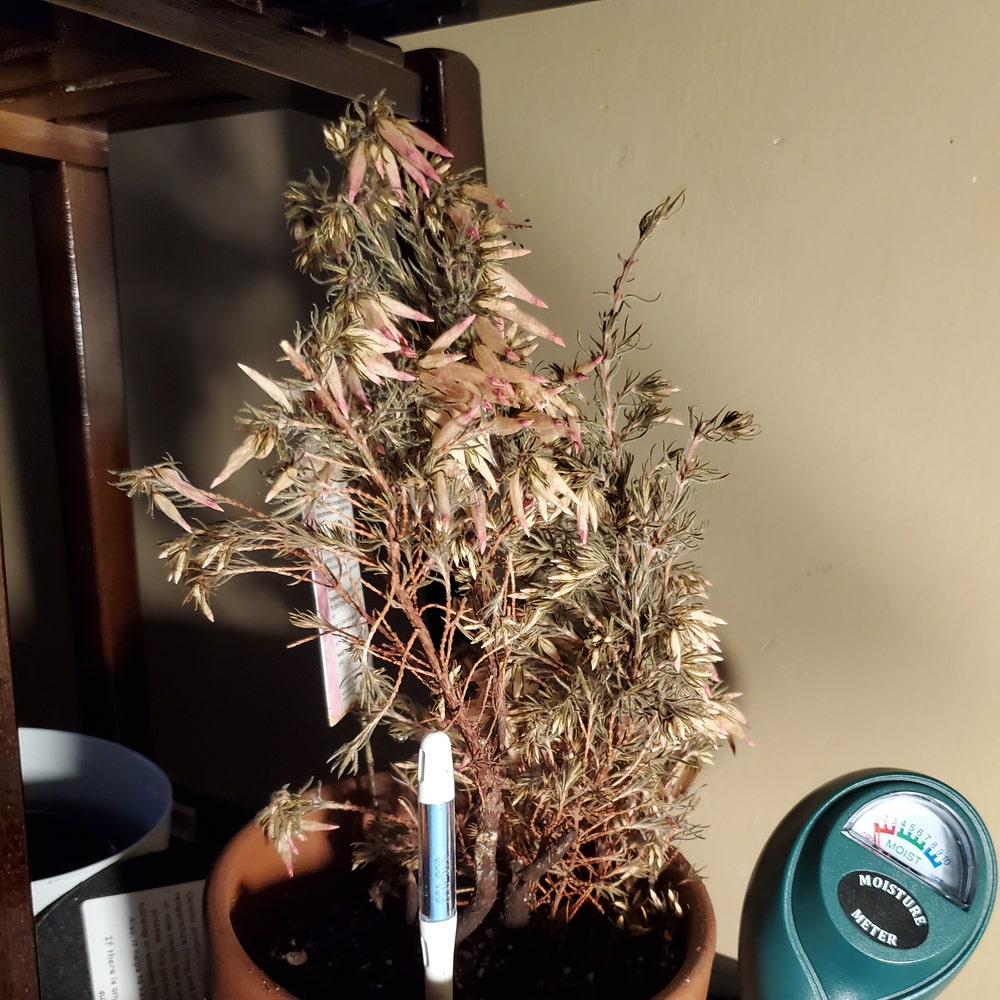
You can easily spot dormancy by observing leaf drop and noticeably slowed growth. These signs indicate that the plant is preparing for the colder weather ahead.
Seasonal Growth Patterns 🌼
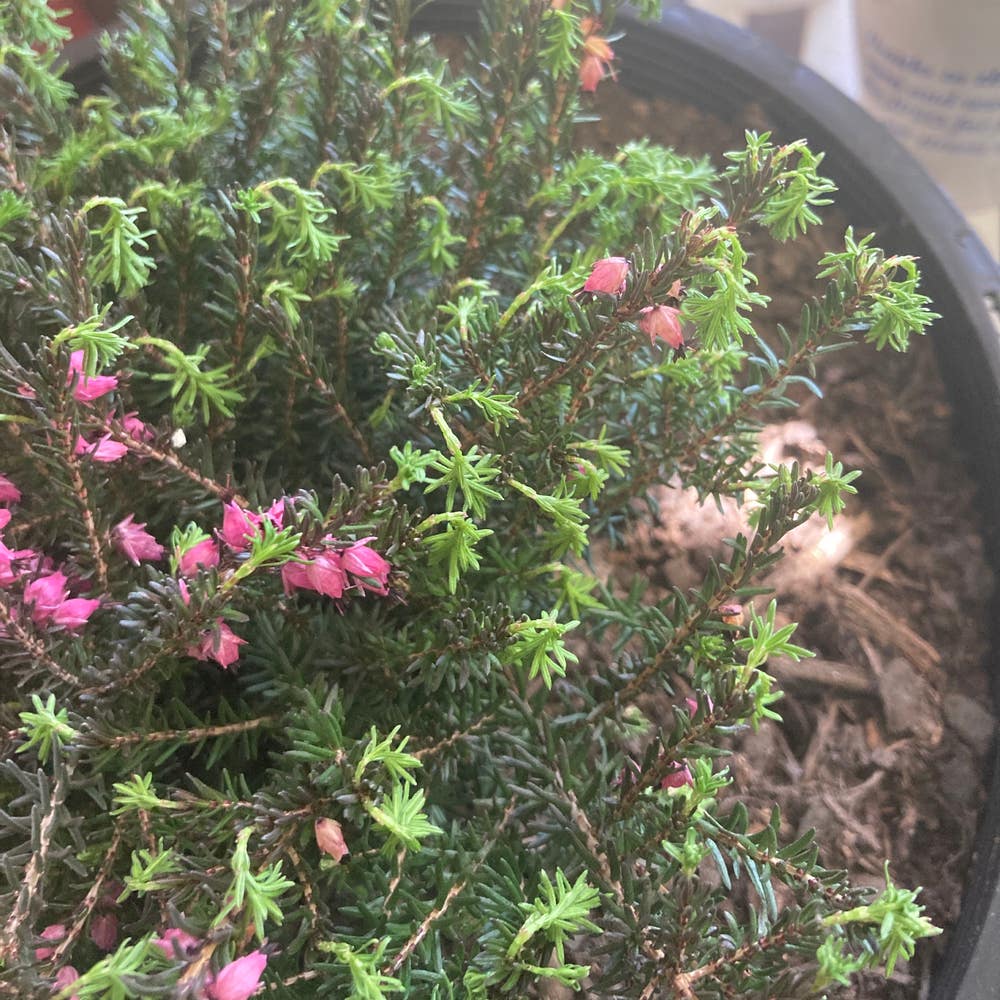
Tree heath thrives with active growth in spring and summer, showcasing vibrant foliage and robust development. As fall approaches, it shifts into dormancy, resting until the warmth returns.
Climate Variations and Their Effects 🌍
Different climates can significantly impact dormancy and growth cycles. For instance, milder winters may lead to shorter dormancy periods, while harsher climates can extend them, affecting overall plant health.
Understanding these seasonal changes is crucial for gardeners. By recognizing the dormancy patterns of tree heath, you can better plan your care practices and ensure a thriving garden year after year.
Next, let’s explore the advantages of tree heath’s perennial nature and how it benefits gardeners.
Advantages for Gardeners
🌳 Benefits of Tree Heath's Perennial Nature
Tree heath offers significant advantages for gardeners, primarily through its perennial nature. By reducing the need for replanting, it becomes a long-term investment in your garden design.
Established root systems enhance resilience against drought and competition for nutrients. This stability allows tree heath to thrive even in challenging conditions.
The robust roots contribute to overall plant health, ensuring that the plant can access water and nutrients efficiently. This means less worry for you as a gardener, knowing your plants are well-supported.
Moreover, the long-term cost-effectiveness of tree heath is noteworthy. With fewer resources spent on replanting and maintenance, you can focus on enjoying your garden rather than constantly tending to it.
In summary, tree heath not only simplifies gardening but also enriches the landscape with its enduring presence. As we explore its variations across climate zones, you'll discover even more ways to optimize its growth and beauty.
Variations Across Climate Zones
🌦️ Influence of Climate on Behavior and Tips for Cultivation
Tree heath, with its Mediterranean origins, showcases remarkable adaptability to various climates. This resilience allows it to thrive in diverse environments, making it a favorite among gardeners.
🌸 Variations in Growth and Flowering
Growth and flowering patterns can significantly differ based on local climate and soil conditions. In warmer regions, tree heath may bloom more profusely, while cooler areas might see a delayed flowering period.
🏗️ Recommendations for Soil Amendments
To optimize growth, consider tailoring soil amendments to your specific climate zone. For instance, sandy soils benefit from organic matter to retain moisture, while clay soils may require drainage improvements.
🌍 Care Practices for Specific Climate Zones
Implementing proper care practices is crucial for tree heath's success. Regular mulching can help retain moisture in dry climates, while ensuring adequate drainage is vital in wetter regions.
🚀 Strategies for Optimizing Growth and Flowering
To enhance growth and flowering, monitor local weather patterns closely. Adjust watering schedules during dry spells and consider using fertilizers that suit your soil type to promote robust health.
Understanding these variations empowers gardeners to cultivate tree heath effectively, ensuring vibrant blooms and healthy growth across different climates. With the right strategies, you can enjoy the beauty of this perennial for years to come.
⚠️ Safety First
This content is for general information and may contain errors, omissions, or outdated details. It is not medical, veterinary advice, or an endorsement of therapeutic claims.
Always consult a qualified healthcare professional before using any plant as food, medicine, or supplement.
Never eat any plant (or feed one to pets) without confirming its identity with at least two trusted sources.
If you suspect poisoning, call Poison Control (800) 222-1222, the Pet Poison Helpline (800) 213-6680, or your local emergency service immediately.
Spotted an error? Please report it here.
Cultivate the enduring beauty of tree heath 🌿 with Greg's tailored care reminders, ensuring your garden thrives season after season!