💧 How Do I Know When My Tree Heath Needs Water?
Erica arborea
By the Greg Editorial Team
Mar 13, 2024•4 min read
This article was created with the help of AI so we can cover more plants for you. May contain errors. See one? Report it here.
Unlock your tree heath's hydration needs and ensure its lush growth with expert watering tips. 🌳💧
- Wilting and color changes signal your tree heath's thirst.
- Seasons and growth cycles dictate watering needs; adjust accordingly.
- Deep watering and mulching aid in drought resilience and recovery.
Spotting Thirsty Tree Heath
🚰 Visual Distress Signals
Wilting: The First Red Flag
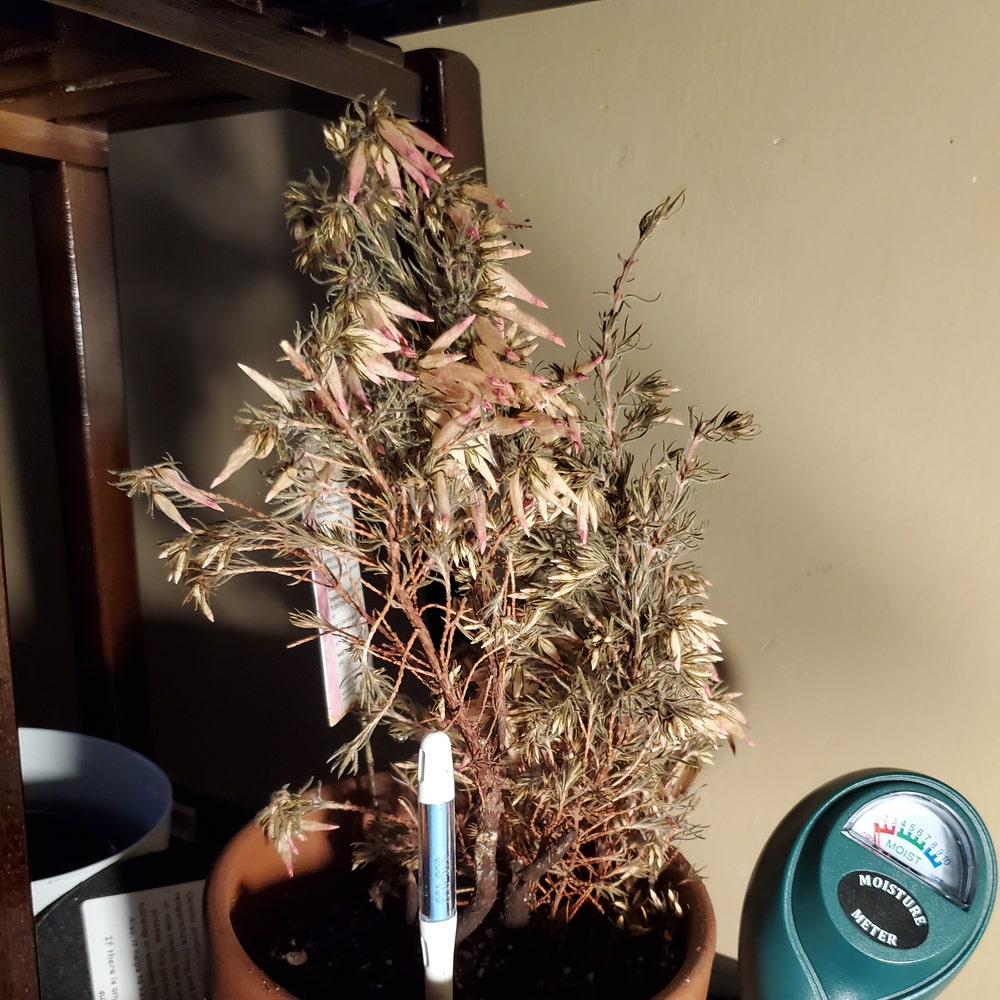
Wilting leaves are the universal SOS of tree heath. If your plant's foliage droops like it's had a rough day, it's time to check the water levels.
Discoloration: When Leaves Tell a Story
Leaves changing color are not just chasing autumn trends; they're broadcasting stress. Yellowing might suggest overwatering, while brown tips are a plea for hydration.
Premature Leaf Drop: A Cry for Help
When leaves fall prematurely, it's not trying to set a new leafless trend; it's a desperate call for water.
🖐️ Tactile Clues
Soil Dryness: The Finger Test
Forget fancy gadgets; your finger is a reliable tool. If the soil feels dry at a two-knuckle depth, it's time to give your tree heath a drink.
Root Examination: The Hidden Truth
Roots tell the real story. If they're lighter than your wallet on a Monday, it's a clear sign the plant is parched. Remember, healthy roots should be firm and colored, not dark and mushy.
When to Water: Timing is Everything
💧 Seasonal Considerations
Adjusting for the hot and cold is crucial when watering tree heath. During the summer, these plants are in their prime, guzzling water like marathon runners during a race. They're growing, blooming, and need all the hydration they can get. Conversely, in the winter, they're more like couch potatoes—slowing down, conserving energy, and requiring significantly less water.
💦 Growth cycles and their thirst levels
The growth cycle of your tree heath dictates its thirst. When it's in the throes of a growth spurt, it's practically shouting for a drink. But once it enters dormancy, it's time to ease up on the watering, as the plant is resting and replenishing its energy for the next season.
🌦️ Environmental Factors
Local weather patterns are like the plant's personal DJ, setting the rhythm for your watering schedule. A sunny, windy locale will have your tree heath reaching for the water more often, while a shady, protected spot means less frequent watering.
💧 The role of soil type in water retention
Soil type is the unsung hero of water retention. Clay soils hold onto moisture like a miser with gold, while sandy soils let water slip through their fingers. Adjust your watering accordingly—more frequent for sandy soils, less so for clay.
Watering Wisdom: Doing it Right
💧 Quantity and Frequency
Finding the balance in watering your tree heath is like walking a tightrope – it requires focus and adjustment. Too much water and you risk root rot; too little and your plant becomes a desiccated stick figure.
The watering calendar isn't set in stone; it's a flexible guide. Think of it as a dance where the rhythm is set by the plant's needs and the changing seasons.
🚿 Effective Watering Techniques
Deep Watering for Deep Roots
Deep watering is the secret handshake of the plant world. It encourages roots to stretch down and anchor the plant, giving it the stability to stand tall and the resilience to withstand droughts.
To do it right, water slowly and deeply, allowing moisture to penetrate the soil. This isn't a sprint; it's a marathon for moisture to reach the finish line at the roots.
Mulching: Your Ally in Moisture Conservation
Mulch is your wingman in the battle against evaporation. A layer of organic material on the soil surface keeps moisture in and gives a one-two punch to weed growth.
Think of mulch as a cozy blanket for your plant's feet, keeping it warm and moist in a world that can be cold and dry.
Rescue and Recovery: When You've Waited Too Long
💦 First Aid for Dehydrated Tree Heath
Tree heath can be resilient, but when dehydration hits hard, it's all hands on deck.
🚨 Emergency Watering: Reviving Your Plant
If your tree heath is wilting, it's time for emergency watering. Start with a deep watering session to reach the roots, where it counts.
🌱 Long-term Recovery: Getting Back on Track
After the initial life-saving splash, maintain a steady watering schedule. Consistency will help your tree heath bounce back over time.
Prevention Strategies
Prevention beats cure, especially with something as silent yet deadly as drought stress.
📊 Monitoring Tools: When Technology Lends a Hand
Invest in a soil moisture meter or a smart irrigation system. These gadgets take the guesswork out of watering, providing real-time insights into your tree heath's needs.
🛡️ Proactive Care: Building Resilience Against Drought
Mulch is your tree heath's best friend, conserving moisture and keeping roots happy. Regular checks and adjustments ensure your tree heath is never caught thirsty again.
⚠️ Safety First
This content is for general information and may contain errors, omissions, or outdated details. It is not medical, veterinary advice, or an endorsement of therapeutic claims.
Always consult a qualified healthcare professional before using any plant as food, medicine, or supplement.
Never eat any plant (or feed one to pets) without confirming its identity with at least two trusted sources.
If you suspect poisoning, call Poison Control (800) 222-1222, the Pet Poison Helpline (800) 213-6680, or your local emergency service immediately.
Spotted an error? Please report it here.
Avoid the stress of over or under-watering your tree heath by letting Greg's data-driven 🌳 reminders keep your green friends perfectly hydrated.