What Do I Do About Tree Heath Root Rot?
Erica arborea
By the Greg Editorial Team
Mar 13, 2024•3 min read
This article was created with the help of AI so we can cover more plants for you. May contain errors. See one? Report it here.
Rescue your Tree Heath from root rot's clutches 🍂 with our life-saving identification and treatment guide!
- Yellow leaves and wilting signal Tree Heath root rot.
- Remove and treat infected roots promptly to save the plant.
- Prevent recurrence with well-draining soil and careful watering.
Spotting the Red Flags: Identifying Root Rot in Tree Heath
🚩 Look for Telltale Signs
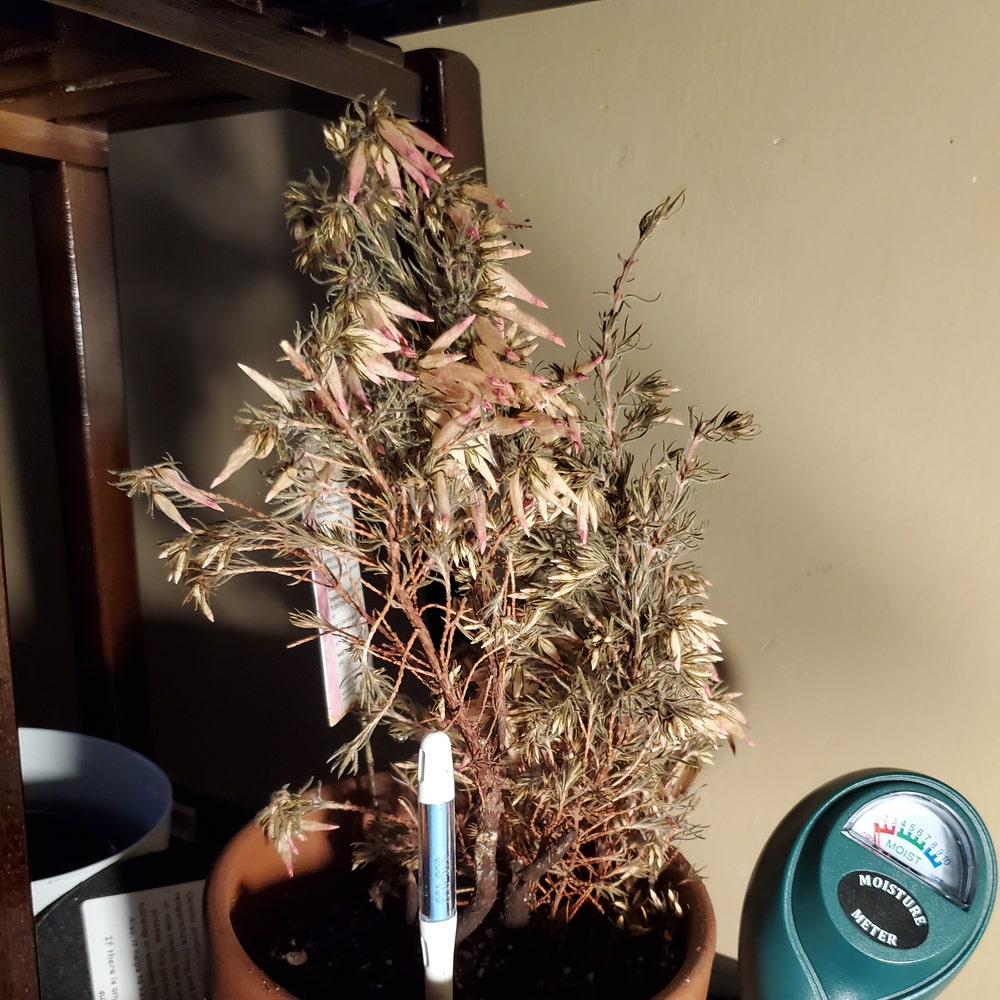
Tree Heath looking more like a wilted weed than a robust shrub? Yellowing leaves, wilting, and stunted growth are your first clues that root rot might be playing dirty with your plant's roots. Don't just stand there—these symptoms are like a flashing neon sign for trouble below the surface.
🔍 Digging Deeper
Time to play detective with your shovel. Gently unearth the Tree Heath and inspect the roots. Healthy roots should look like they're ready for a photoshoot—firm and white. If they're brown, mushy, and smell like they belong in a compost pile, that's your cue: root rot has crashed the party.
Immediate Response: Treating Root Rot on the Spot
🚑 Cutting to the Chase
Time is of the essence when you're dealing with root rot. Act fast and remove your Tree Heath from its pot. Gently brush off the soil and prepare for some underground surgery. With sterilized scissors or shears, cut away all the mushy, discolored roots. Be ruthless; even roots that look slightly suspect should go. After the amputation, give the remaining roots a hydrogen peroxide bath or apply a copper-based fungicide. This is the plant equivalent of an antiseptic wipe-down after a rough scrape.
💧 Soil and Water Makeover
Now, let's talk about your Tree Heath's living conditions. Toss the old soil; it's compromised. Replace it with a well-draining mix that's like a fresh start for your plant. When you water, think of it as a rare treat—deeply but infrequently. Overwatering is the fast track back to root rot city. Consider using pots with ample drainage holes, or even raising your plant on beds or berms. It's all about creating an environment where excess water has the exit strategy of a well-planned heist.
Long-Term Care: Helping Your Tree Heath Thrive Post-Rot
✂️ Pruning for Success
After tackling root rot, pruning becomes your Tree Heath's ally. Snip away dead or diseased branches to redirect the plant's energy towards healthy growth. This isn't a random haircut; it's strategic trimming to strengthen your plant's future. Remember, less is more—over-pruning can be just as harmful as neglect.
🥦 Nutritional Balance
Post-recovery, your Tree Heath craves a nutritional balance. A half-strength balanced fertilizer is your go-to, supporting recovery without causing nutrient burn. Think of it as a convalescent diet for your plant—enough to heal, not so much it hurts. Over-fertilizing is a definite no; it's like pouring salt on a wound.
Fortifying Defenses: Preventing Future Root Rot Episodes
🌱 Smart Planting Practices
Location is your first line of defense against root rot in Tree Heath. Choose a spot with excellent drainage; think raised beds or slopes. The soil should be the Goldilocks type—not too sandy, not too clayey. Aim for that sweet spot where moisture is retained but excess water can say goodbye without a lingering farewell.
👀 Stay Vigilant
Regular inspections are like routine health check-ups for your Tree Heath. Peek under the foliage, poke around the soil, and ensure the roots aren't sitting in moisture. Early intervention is key; at the first sign of trouble, don't hesitate to act. Adjust your watering habits—your plant's not on a swim team. Keep the soil's moisture level balanced; it's not a cocktail, so don't let it get watered down.
⚠️ Safety First
This content is for general information and may contain errors, omissions, or outdated details. It is not medical, veterinary advice, or an endorsement of therapeutic claims.
Always consult a qualified healthcare professional before using any plant as food, medicine, or supplement.
Never eat any plant (or feed one to pets) without confirming its identity with at least two trusted sources.
If you suspect poisoning, call Poison Control (800) 222-1222, the Pet Poison Helpline (800) 213-6680, or your local emergency service immediately.
Spotted an error? Please report it here.
Banish root rot from your Tree Heath with precise watering reminders ⏲ from Greg, ensuring your green friend's roots stay healthy and strong.