Why Are My Tree Heath Leaves Droopy? 💧
Erica arborea
By the Greg Editorial Team
Mar 13, 2024•5 min read
This article was created with the help of AI so we can cover more plants for you. May contain errors. See one? Report it here.
Solve the droopy leaf mystery 🕵️♂️ and restore your Tree Heath's vigor with these expert insights! 🌿
- Overwatering leads to droopy leaves, ease up and use well-draining soil.
- Nutrient deficiencies? Conduct a soil test and fertilize during the growing season.
- Temperature matters: Keep between 70-85°F to prevent droopiness.
When Overwatering Takes a Toll
🚰 Spotting the signs of too much H2O
Yellow, swollen leaves with a translucent look are waving red flags at you. If these leaves fall off with a gentle nudge, it's time to rethink your watering strategy. Before you reach for the watering can, dig a finger into the soil. If it's more sponge than soil, hold off on the hydration.
🌱 How soggy soil leads to sad leaves
Overwatering turns robust roots into mushy messes, unable to deliver nutrients or support to your Tree Heath. The leaves droop, not out of thirst, but from an overabundance of love in liquid form. It's a classic case of too much of a good thing leading to a bad situation.
🛠️ Fixing the flood: Steps to take back control
First, ease up on the water; your plant isn't training for a swim meet. If the soil is waterlogged, consider repotting with a fresh, well-draining mix. Ensure your pot has drainage holes; they're as crucial as a lifeguard at a pool party. In the future, water only when the topsoil feels dry to the touch, and always check for moisture before giving your plant a drink.
The Hunger Games: Nutrient Deficiencies Unveiled
🌿 Decoding the droop: What missing nutrients do
Tree Heath leaves drooping like a teenager's shoulders on chore day? It could be a silent cry for nutrients. When essential minerals are MIA, leaves can turn as pale as a sheet, or even start dropping like flies. Nitrogen deficiency often leaves its mark with yellowing leaves, while a lack of phosphorus can lead to weak roots. Potassium, the unsung hero, is crucial for overall plant health.
🕵️ The soil test tell-all: Finding out what's lacking
Don't play the guessing game with your plant's health. A soil test is like swiping right on the perfect match—it tells you exactly what's missing in your soil's profile. Think of it as a reality check for your garden's nutritional needs. Once you've got the dirt on your dirt, you can stop the nutrient neglect and start the healing.
🌱 Feeding your foliage: Nutrient boosts to perk up leaves
Once you've diagnosed the deficiency, it's time to become a nutrient ninja. Fertilize judiciously during the growing season—like a well-timed coffee, it should perk things right up. Remember, more isn't always better; it's about finding that sweet spot. Keep an eye on your plant's response; it's better at giving feedback than most humans. Adjust your approach based on what those leaves are telling you, and watch your Tree Heath bounce back like a champ.
Weathering the Storm: Environmental Stress and Leaf Health
🌡️ Too hot to handle: Heat stress and leaf limping
Heat stress can leave your Tree Heath leaves looking more limp than a noodle in a soup bowl. When temperatures soar, leaves may droop, yellow, or even get crispy edges. Keep it cool by providing shade during the hottest parts of the day, and consider a light misting to simulate a cooler environment.
❄️ Chilled to the leaf: Cold damage and droopiness
Conversely, cold snaps can cause your Tree Heath to act like it's in a deep freeze, with leaves drooping as if trying to escape the chill. Avoid frostbite for your plant by protecting it from cold drafts and considering a warmer spot during winter months. Remember, these plants don't have the luxury of donning a winter coat.
⚖️ Balancing act: Finding the sweet spot for your Tree Heath
Finding the Goldilocks zone for your Tree Heath is crucial; not too hot, not too cold. Aim for a steady 70-85°F (21-29°C) to keep those leaves perky. Monitor your plant like it's the stock market—any sudden changes could mean it's time to adjust your care strategy. Keep an eye on the forecast and be ready to move your plant to a more suitable spot if a temperature swing is on the horizon.
The Diagnosis: Becoming a Leaf Detective
🔍 Visual clues: Reading the leaves
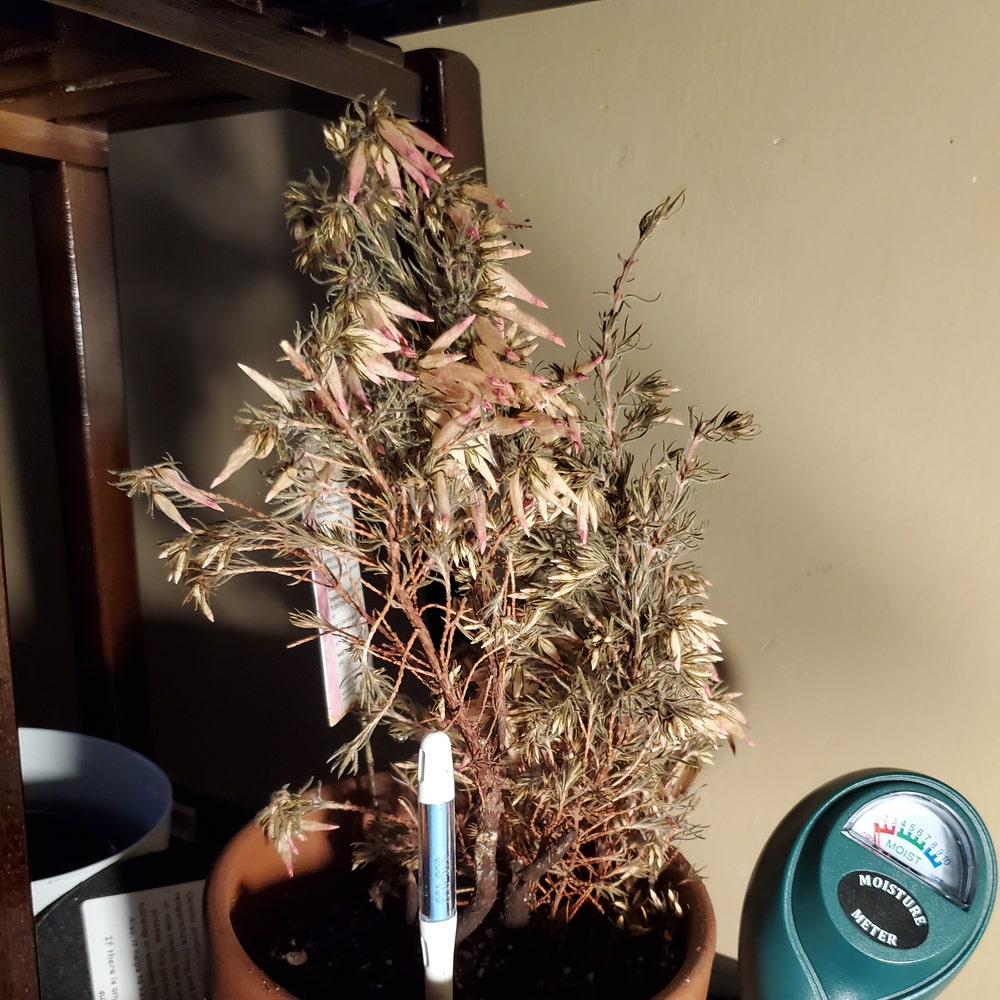
Discoloration and texture changes in your Tree Heath's leaves are like the opening lines of a mystery novel. Each symptom is a clue to the underlying issue. Yellowing may suggest overwatering, while brown tips could hint at dehydration or nutrient burn. If the leaves are more crinkled than a detective's trench coat, consider environmental stressors.
🌱 Getting to the root of it: Checking below the soil
Don't be afraid to get your hands dirty. Gently unearth the roots to check for rot or pests. Healthy roots should be as firm and untangled as a well-kept secret. If they're soft and darker than your morning coffee, root rot could be the culprit. A musty smell? That's as telling as a fingerprint at a crime scene.
🕵️ The verdict: Pinpointing the problem
Once you've gathered your evidence, it's time to piece together the puzzle. If the symptoms and signs point to overwatering, adjust your irrigation strategy. For suspected nutrient deficiencies, a soil test is as revealing as a polygraph. It'll guide you to the right fertilizer like a compass to treasure. If pests are the perpetrators, show them the door with appropriate treatments. Remember, the right diagnosis is the key to reviving your Tree Heath's once-lively leaves.
⚠️ Safety First
This content is for general information and may contain errors, omissions, or outdated details. It is not medical, veterinary advice, or an endorsement of therapeutic claims.
Always consult a qualified healthcare professional before using any plant as food, medicine, or supplement.
Never eat any plant (or feed one to pets) without confirming its identity with at least two trusted sources.
If you suspect poisoning, call Poison Control (800) 222-1222, the Pet Poison Helpline (800) 213-6680, or your local emergency service immediately.
Spotted an error? Please report it here.
Combat droopy tree heath leaves by pinpointing the cause with a soil test and temperature check, and thrive 🍃 with Greg's custom care reminders tailored to your plant's needs.