🌼 6 Factors for Optimal White Heath Growth
Erica arborea
By the Greg Editorial Team
Oct 21, 2024•6 min read
This article was created with the help of AI so we can cover more plants for you. May contain errors. See one? Report it here.
Cultivate a vibrant garden with thriving white heath plants by mastering essential care techniques! 🌱
- 🌞 Optimal growth requires full sun to partial shade for white heath plants.
- 🌱 Maintain soil pH between 5.0 and 6.0 for best results in growth.
- 💧 Prevent root rot by ensuring proper drainage and avoiding overwatering.
Site Selection and Soil Preparation
Choosing the Right Location 🌍
Selecting the right location is crucial for optimal white heath growth. Aim for a spot that receives full sun to partial shade, as this balance promotes healthy development.
Additionally, consider the protection from harsh winds. Sheltered areas can prevent damage and ensure your plants thrive.
Soil Requirements and Preparation Techniques 🧑🌾
White heath plants thrive in acidic, well-drained soils. To prepare your soil effectively, follow these steps:
- Test soil pH: Aim for a range between 5.0 to 6.0.
- Amend soil: Incorporate organic matter like peat moss to enhance drainage.
- Incorporate sand or grit: This improves aeration, allowing roots to breathe.
These preparation techniques set the foundation for robust plant health.
Importance of Drainage for Heath Plants 🚰
Proper drainage is vital for root health. Overwatering can lead to root rot, which can devastate your plants.
To improve drainage, consider using raised beds or mounds. These techniques help prevent water accumulation and promote healthy root systems.
With the right location and soil preparation, your white heath plants will be well on their way to flourishing. Next, let’s explore effective planting techniques to ensure successful growth.
Planting Techniques
Step-by-Step Planting Guide 🌱
Planting white heath correctly sets the stage for healthy growth. Start by preparing the planting hole, making it twice the width and depth of the root ball.
Next, position the plant so the top of the root ball is level with the soil surface. This ensures the roots have enough room to spread and thrive.
After that, backfill the hole with your prepared soil. Firm it gently to eliminate any air pockets that could hinder root development.
Finally, water the plant thoroughly after planting. This helps settle the soil and provides immediate hydration.
Spacing and Depth Considerations 📏
Proper spacing is crucial for air circulation and growth. Aim to plant your white heath 12-18 inches apart to allow for adequate airflow.
When it comes to depth, ensure you plant at the same depth as it was in the nursery container. This consistency helps the plant acclimate better to its new environment.
Best Time to Plant ⏰
Timing can make all the difference in establishing your white heath. The ideal planting seasons are early spring or fall.
These periods provide the best conditions for root establishment, allowing your plants to flourish as they settle into their new home.
With these planting techniques in mind, you're well on your way to nurturing a thriving white heath garden. Next, let’s explore the essential watering and fertilizing practices to keep your plants healthy and vibrant.
Watering and Fertilizing
Watering Requirements 🌊
Watering is crucial for your white heath plants. Aim to water regularly, letting the top inch of soil dry out between waterings to prevent soggy roots.
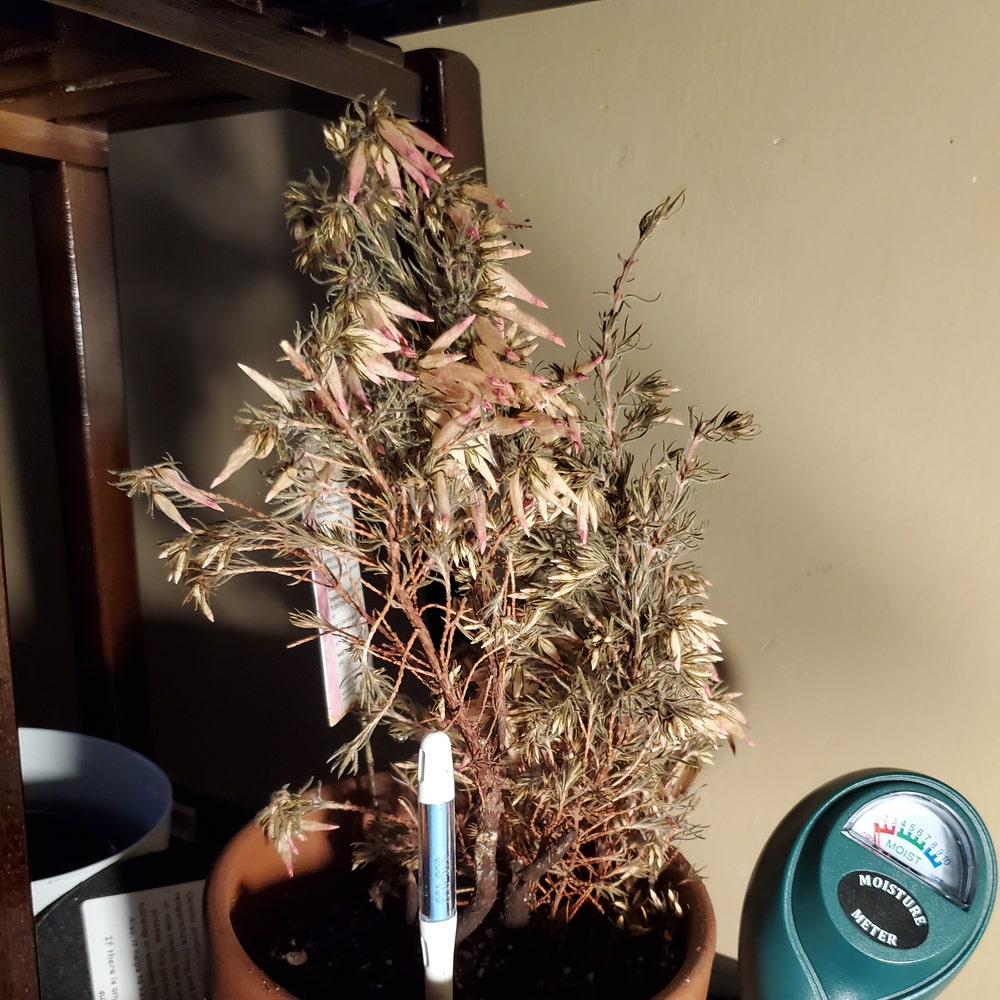
Watch for signs of overwatering, such as yellowing leaves, wilting, or root rot. These indicators signal that you need to adjust your watering habits.
Best Practices for Fertilizing 🌱
Fertilizing your plants properly can make a significant difference in their health. Apply a balanced, slow-release fertilizer in early spring to give your plants a nutrient boost.
Opt for acidic fertilizers specifically formulated for ericaceous plants. This will help maintain the right soil conditions for optimal growth.
Signs of Overwatering or Underwatering 🚨
Recognizing the signs of improper watering is essential for your plants' survival. Overwatering can lead to root rot, mushy stems, and leaf drop.
On the flip side, underwatering results in wilting, dry leaves, and stunted growth. Keep a close eye on your plants to ensure they receive just the right amount of moisture.
By mastering the art of watering and fertilizing, you set the stage for vibrant, thriving white heath plants. Next, let's explore the best pruning and maintenance practices to keep your plants healthy year-round.
Pruning and Maintenance
When and How to Prune 🌿
Pruning is essential for maintaining the health and appearance of your white heath plants. Schedule your pruning for late spring, right after flowering, to encourage bushier growth.
To prune effectively, focus on removing any dead or damaged branches. This not only improves the plant's aesthetics but also promotes better air circulation.
Ongoing Care Routine for Optimal Growth 🔍
Regular inspections are key to keeping your white heath thriving. Check for pests and diseases frequently to catch any issues early.
Mulching is another vital practice. Applying a layer of organic mulch helps retain moisture and suppress weeds, creating a healthier environment for your plants.
Seasonal Maintenance Tips 🍂
Each season brings specific tasks to ensure your white heath remains vibrant. In spring, prioritize fertilizing and pruning to kickstart growth.
During summer, keep an eye on watering needs, adjusting as necessary to prevent stress.
As fall approaches, prepare your plants for winter by adding mulch and checking for pests. This proactive approach will help your white heath survive the colder months.
With these pruning and maintenance strategies, your white heath will flourish beautifully throughout the seasons. Next, let’s explore common challenges and solutions to keep your plants in top shape.
Common Challenges and Solutions
🐛 Identifying Common Pests and Diseases
White heath plants can face a few pesky challenges. Common pests include aphids, spider mites, and scale insects, all of which can sap the vitality of your plants.
Diseases like root rot and powdery mildew can also pose threats. Keeping an eye out for these issues is crucial for maintaining healthy growth.
💧 Solutions for Poor Growth or Wilting
If your white heath isn't thriving, it might be time to adjust your watering practices. Ensure the soil maintains proper moisture levels to avoid stress on the plants.
Improving soil conditions can also make a significant difference. Amending the soil as needed will enhance drainage and overall health.
🌱 Tips for Container vs. Outdoor Growing Challenges
For container growing, always ensure your pots have drainage holes. Using a lightweight potting mix will help prevent waterlogging.
When growing outdoors, stay vigilant for pests and environmental stressors. Companion planting can be a smart strategy to deter pests and promote a healthier garden ecosystem.
By addressing these common challenges, you can foster a thriving environment for your white heath plants. Now, let’s explore how to maintain them effectively through pruning and ongoing care.
⚠️ Safety First
This content is for general information and may contain errors, omissions, or outdated details. It is not medical, veterinary advice, or an endorsement of therapeutic claims.
Always consult a qualified healthcare professional before using any plant as food, medicine, or supplement.
Never eat any plant (or feed one to pets) without confirming its identity with at least two trusted sources.
If you suspect poisoning, call Poison Control (800) 222-1222, the Pet Poison Helpline (800) 213-6680, or your local emergency service immediately.
Spotted an error? Please report it here.
Achieve optimal white heath growth 🌿 by mastering location and care, and let Greg guide you with personalized tips and reminders for thriving plants!