What to Do About Your White Heath Wilting 🌼
Erica arborea
By the Greg Editorial Team
Oct 21, 2024•5 min read
This article was created with the help of AI so we can cover more plants for you. May contain errors. See one? Report it here.
Transform wilting plants 🌱 into thriving beauties with expert tips on diagnosis and care for vibrant growth!
- 💧 Wilting in White Heath often signals water or heat stress; check conditions immediately.
- 🌡️ Relocate to cooler, shaded areas to alleviate heat stress and promote recovery.
- 🌱 Consistent watering and well-draining soil are crucial for preventing wilting issues.
Common Causes of Wilting Leaves
💧 Water Stress
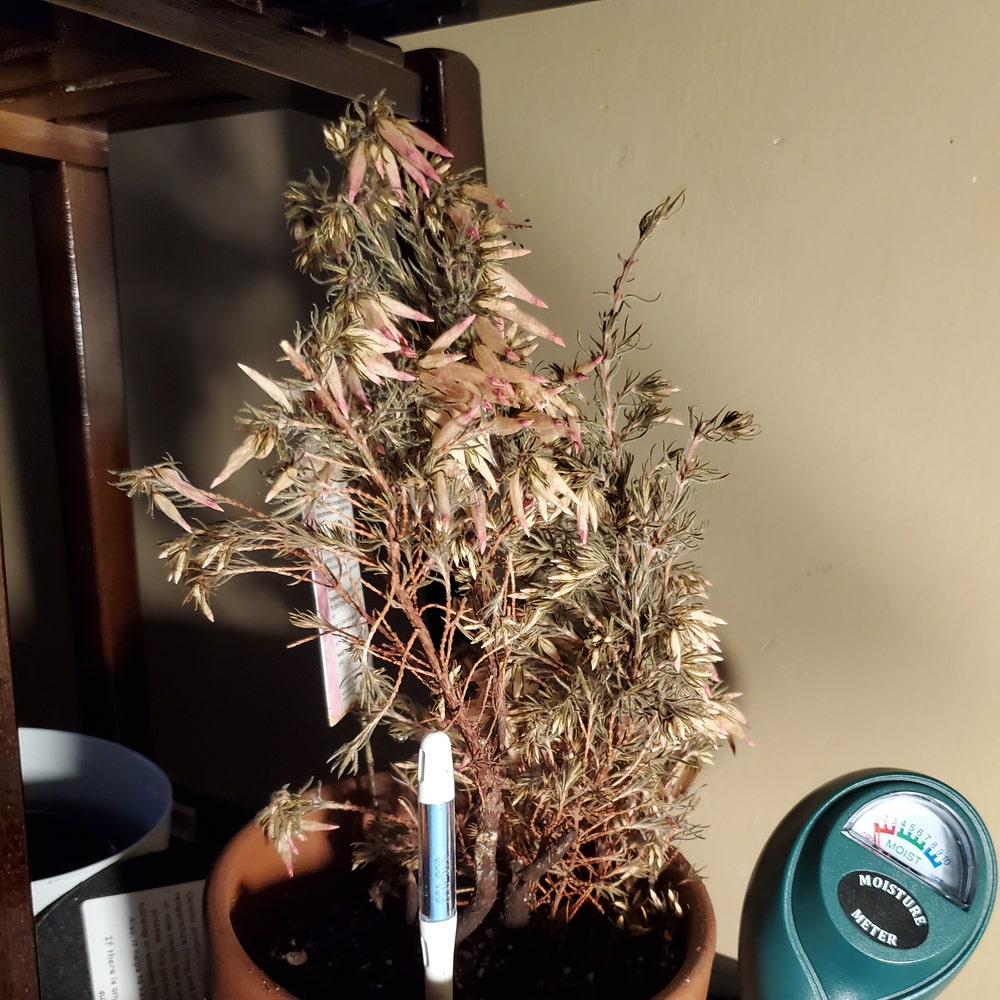
Wilting leaves often signal water stress. Symptoms include droopy, dry, or crispy foliage, indicating that your plant is not getting enough moisture.
Inadequate watering or overly dry soil conditions are the primary culprits. The shallow root systems of many plants make them particularly vulnerable to rapid moisture loss, leading to wilting.
☀️ Heat Stress
Heat stress is another common cause of wilting. During hot weather, you might notice leaves curling, turning brown at the edges, or wilting altogether.
This stress arises from prolonged exposure to high temperatures or direct sunlight. Since many plants thrive in cool, moist environments, they can struggle when faced with excessive heat.
🦠 Disease-Related Wilting
Disease-related wilting, while less common, can occur. Symptoms often include yellowing leaves or spots before they begin to wilt.
Fungal infections or root rot are typical causes, particularly in poorly drained soils or when plants are overwatered. Although this is generally unlikely, it's essential to be aware of these potential issues.
Understanding these causes can help you take proactive steps to keep your White Heath healthy. Next, we’ll explore how to diagnose wilting effectively.
Diagnosing Wilting
Step-by-Step Guide 🌱
Diagnosing wilting in your White Heath is crucial for restoring its health. Start by assessing soil moisture; check if the soil is dry or overly saturated.
Next, observe environmental conditions. Take note of the temperature and sunlight exposure your plant receives.
Inspect the leaves for any signs of disease or pest damage. Look closely for discoloration or unusual textures.
Finally, evaluate root health. Gently remove the plant from its pot to check for rot or damage.
Signs to Look For 👀
Keep an eye out for color changes in the leaves. Yellowing or browning can indicate underlying issues.
Texture changes are also telling. Crispy or mushy leaves often signal water-related problems.
Additionally, monitor growth patterns. Stunted growth or a lack of new leaves can suggest that your plant is struggling.
By following these steps, you can effectively diagnose the cause of wilting and take appropriate action. This proactive approach will help ensure your White Heath thrives in the long run.
Solutions for Wilting
💧 Actionable Advice for Water Stress
To combat water stress, establish a consistent watering schedule. This ensures your White Heath receives adequate moisture without the risk of waterlogging.
Choosing the right soil is equally important. Opt for well-draining, acidic soil to prevent moisture retention, which can lead to further complications.
🌡️ Actionable Advice for Heat Stress
When dealing with heat stress, consider relocating your plant to a cooler, shaded area during peak heat hours. This simple move can significantly reduce wilting symptoms.
Additionally, applying a layer of mulch can help retain soil moisture and regulate temperature. This not only benefits the plant but also enhances the overall garden aesthetic.
🦠 Actionable Advice for Disease-Related Wilting
For disease-related wilting, ensure your plant has proper drainage to prevent root rot. This is crucial for maintaining healthy roots and overall plant vitality.
If you suspect a fungal infection, treatment options like fungicides can be effective. Always follow the instructions carefully to avoid further stress on your plant.
By addressing these specific issues, you can significantly improve the health of your White Heath and prevent future wilting. Next, let’s explore preventive measures to keep your plant thriving year-round.
Preventive Measures
Tips to Minimize Future Wilting Episodes 🌱
Regular monitoring is key to keeping your White Heath healthy. Make it a habit to check soil moisture and environmental conditions frequently.
Seasonal adjustments are also crucial. As the weather changes, modify your care routines to suit the plant's needs.
Environmental Adjustments 🏡
Ideal placement can make a world of difference. Position your plant in areas that mimic its native habitat—cool and moist environments are best.
Soil amendments can enhance your plant's resilience. Incorporate organic matter to improve soil structure and drainage, ensuring your White Heath thrives.
By taking these preventive measures, you can significantly reduce the chances of wilting and keep your plant looking vibrant. Now, let’s explore how to revive a wilted plant effectively.
Reviving a Wilted Plant
🌊 Techniques for Bottom Watering
Bottom watering is a simple yet effective method to revive your wilted plant. Place the pot in a shallow tray of water, allowing the soil to absorb moisture from the bottom.
Use this technique when the topsoil feels dry to the touch. It encourages deep root growth and prevents over-saturation of the surface.
🚪 Relocation Strategies
If your plant is struggling, consider a temporary relocation. Move it to a cooler, shaded area away from direct sunlight or heat sources.
Once conditions improve, gradually reintroduce the plant to its original location. This helps it acclimate without shock.
✂️ Pruning Damaged Leaves
Pruning can significantly aid in your plant's recovery. Use clean, sharp pruning shears to avoid introducing infections.
Trim back any wilted or damaged leaves to encourage new growth. This not only helps the plant focus its energy but also improves its overall appearance.
Reviving a wilted plant can be a rewarding experience. With the right techniques and a little patience, you can restore its health and vitality. Next, let’s explore when to seek help for persistent issues.
⚠️ Safety First
This content is for general information and may contain errors, omissions, or outdated details. It is not medical, veterinary advice, or an endorsement of therapeutic claims.
Always consult a qualified healthcare professional before using any plant as food, medicine, or supplement.
Never eat any plant (or feed one to pets) without confirming its identity with at least two trusted sources.
If you suspect poisoning, call Poison Control (800) 222-1222, the Pet Poison Helpline (800) 213-6680, or your local emergency service immediately.
Spotted an error? Please report it here.
Revive your wilting White Heath with consistent care 🌿—let Greg guide you with personalized reminders and plant health tips to ensure your plant thrives!